Hedda's Classic Modernity: How Sharon A. Martin Shapes Mid-Century English Aristocracy for Nia DaCosta's Film
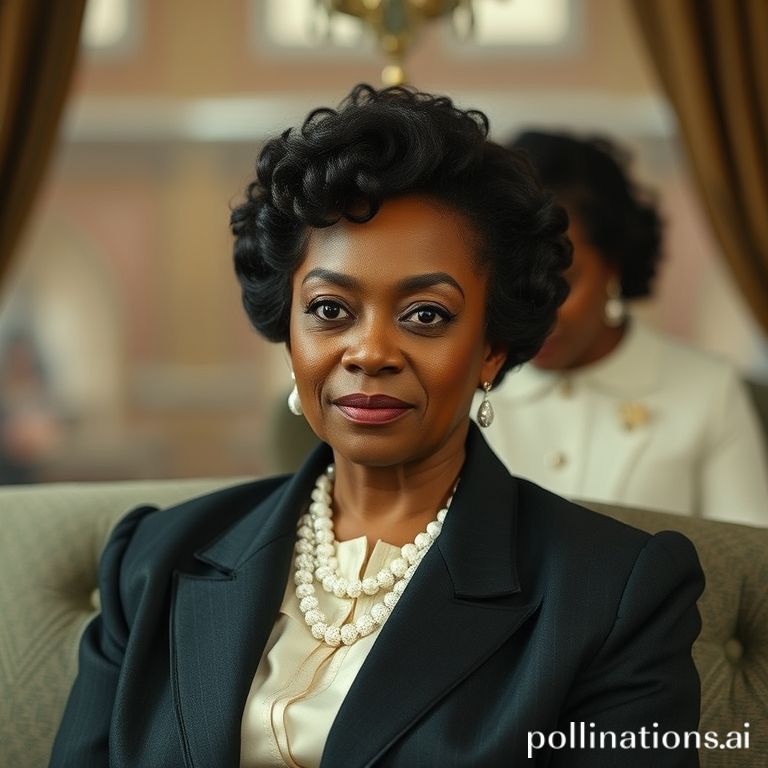
In Nia DaCosta’s Hedda, hair and makeup artist Sharon A. Martin introduces a fresh framing for the film’s aristocratic mid-century England. She coins the concept of classic modernity to describe a world that feels distinctly period-specific yet resonant with today’s sensibilities. This approach guides the film’s look, balancing authentic mid-century grooming with contemporary storytelling cues to create a visually sophisticated aesthetic.
Hedda’s visual language is built around the refined, aristocratic milieu of 1950s-’60s England. From precise grooming and makeup choices to tailored hairstyles, Martin channels a sense of high society that remains accessible to modern audiences. The production pairs meticulously crafted sets with period-accurate wardrobe, producing aristocratic sets that exude elegance while allowing the characters to navigate power, restraint, and social performance on screen.
The result is a seamless fusion of period drama craftsmanship and current cinematic clarity. The classic modernity framework enables the film to portray a time-honored world without feeling distant, inviting viewers to connect with the era’s beauty, nuance, and underlying tensions. This on-screen aesthetic not only anchors Hedda in its historical context but also amplifies its contemporary relevance, shaping audience perception of character, atmosphere, and narrative stakes.


