Geminids Meteor Shower 2024: How to Watch the Peak Night (Dec 13–14 ET)
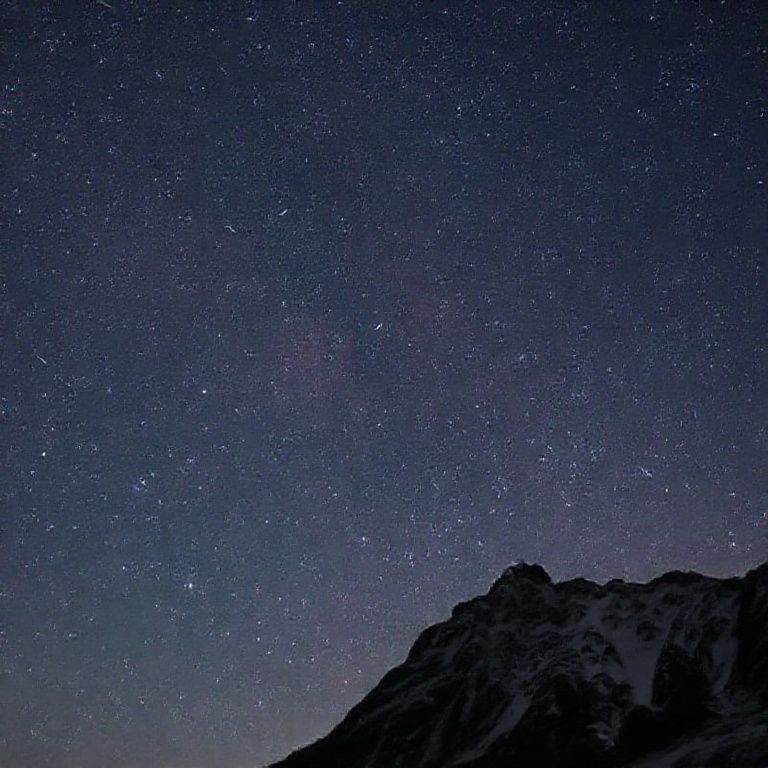
The Geminids meteor shower ranks among the year’s most productive celestial displays, with up to 160 shooting stars visible per hour under ideal dark-sky conditions. This year, the peak falls on the night of Saturday, December 13 into Sunday, December 14, Eastern Time. If you’re planning a stargazing session, here’s how to catch the best Geminids viewing.
What to expect:
- Up to about 160 meteors per hour at the shower’s peak
- Bright, fast-moving streaks radiating from the Gemini region in the sky
- The prime viewing window is after midnight when the radiant rises higher and skies are darkest
When and where to watch:
- Seek a dark, open location far from city lights with a clear horizon
- Check local weather and moon phase; a dark, moonless or low-moon night enhances visibility
- Give your eyes 15–30 minutes to adjust to the darkness; avoid looking at screens during watching
Viewing tips for a comfortable experience:
- Dress warmly and bring a lawn chair or blanket for relaxed, ongoing viewing
- No telescope is required; Geminids are best enjoyed with the naked eye
- Consider a meteor shower app or sky guide to help you spot the radiant near Gemini’s bright stars
A quick science note:
- The Geminids originate from asteroid 3200 Phaethon, with debris that creates the meteor shower as Earth passes through its trail
Bottom line:
- If you’re counting on a spectacular meteor show, mark December 13–14 ET on your calendar and head to a dark sky for a memorable, star-filled night.


