Strategic rationale behind the merger
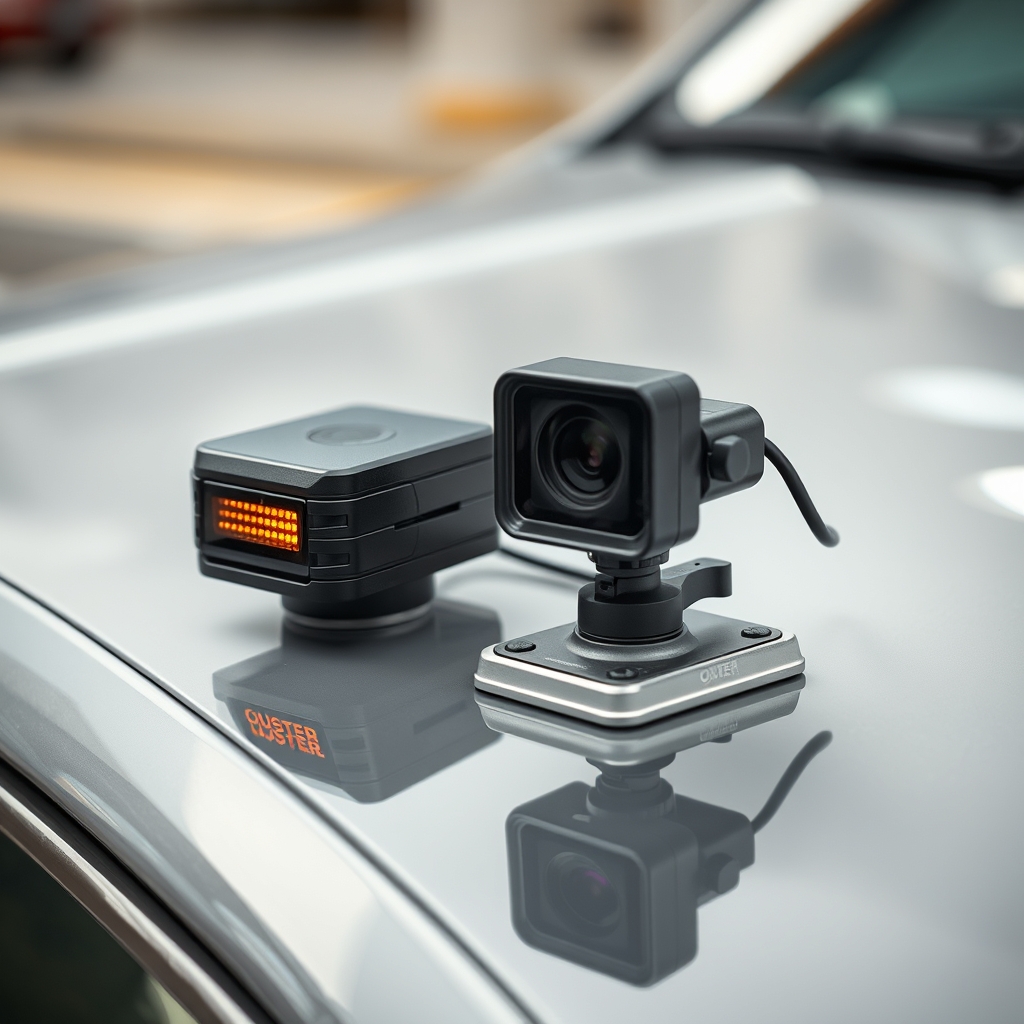
Ouster, a long‑standing player in solid‑state lidar, has moved to broaden its market reach by purchasing StereoLabs, a developer of high‑resolution stereo vision systems. The deal is presented as a step toward a single, end‑to‑end perception stack that can serve autonomous‑driving, robotics and industrial automation customers. By coupling its existing lidar array with StereoLabs' binocular cameras, Ouster hopes to reduce the engineering overhead for OEMs that currently have to stitch together disparate sensor suites.
Technical integration and the promise of sensor fusion
At the core of the new platform is a software layer that merges point‑cloud data from lidar with depth maps generated by the stereo cameras. This fusion is intended to improve object detection in challenging lighting conditions—situations where lidar alone can struggle with low‑reflectivity surfaces and cameras alone can be blinded by glare. Ouster's AI compute modules, already embedded in many of its units, will run perception algorithms that weigh the confidence of each sensor in real time.
Industry reaction and market implications
Analysts at Bernstein noted that the integration could make Ouster a more attractive partner for Tier‑1 automotive suppliers, who are under pressure to deliver cost‑effective perception stacks without sacrificing safety margins. "A unified hardware‑software offering simplifies validation and certification processes," said Dr. Lena Ortiz, senior research fellow at the Autonomous Systems Institute. "It also opens the door to new business models where the sensor suite is sold as a subscription service tied to software updates."
Potential challenges ahead
Despite the optimism, the combined solution must overcome several hurdles. Calibration between lidar and stereo cameras must be maintained over a vehicle's lifetime, and the added compute load could affect power budgets in electric platforms. Moreover, regulatory scrutiny of autonomous‑driving hardware continues to tighten, meaning that any new perception package will face rigorous testing before it can be deployed at scale.
Looking forward
Ouster's leadership frames the acquisition as a milestone rather than an endpoint. The company plans to roll out reference designs to key partners by the end of the year, with an eye on expanding the platform to include radar and ultrasonic sensors in future iterations. If the integration lives up to its promise, it could set a new benchmark for how perception hardware is packaged, potentially reshaping the competitive landscape for autonomous‑technology vendors.
Kadoo Click brings you daily AI-powered insights into beauty, fashion, cosplay, tech deals, and trending topics. Discover authentic products with real discounts.
Stay updated with the latest in 2026 trends – powered by Kadoo Store AI.