A Soviet Legacy Reimagined
Architectural roots and modern aspirations
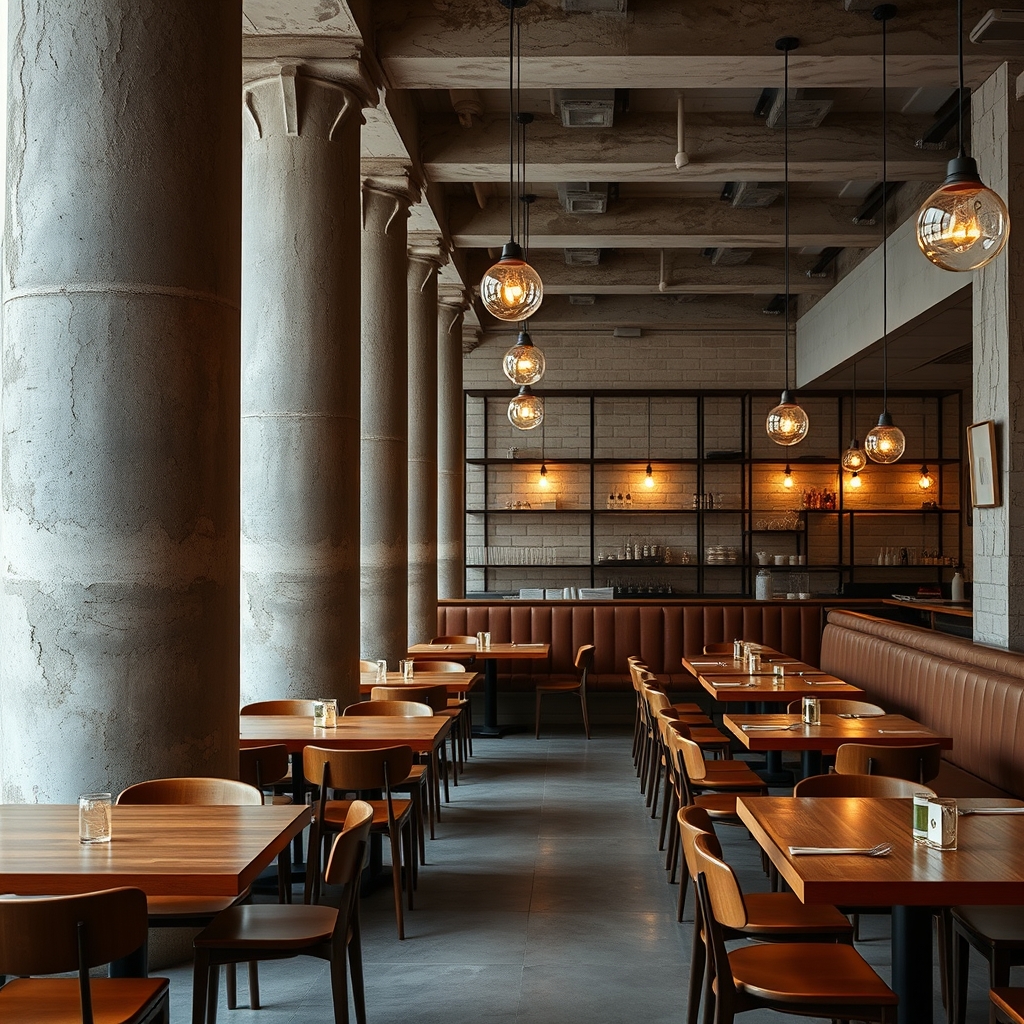
When the owners of Niko set out to create a neighborhood eatery, they chose a building that had stood since the 1960s, designed by the noted Soviet‑era architect Nikoghayos Buniatyan. The structure's concrete façade and sweeping stairwell are hallmarks of that period, offering a sturdy canvas that few contemporary developers would consider for a casual dining concept. Yet the very same attributes—high ceilings, rhythmical columns, and a sense of monumentality—became the foundation for a design that seeks comfort without sacrificing the city's architectural memory.
Designing on a shoestring
With a budget that could barely cover new flooring, the design team turned constraints into creative leverage. "We treated every square meter as a premium," says interior architect Ara Hakobyan, who led the project. By repurposing salvaged Soviet‑era tiles for the bar counter and sourcing reclaimed wood for tables, the team kept costs low while preserving authenticity. The colour scheme leans on muted earth tones—warm terracotta, soft sage, and brushed steel—that echo the building's original palette yet feel inviting for today's diners.
Balancing Comfort and Heritage
Materials, colour palette, and spatial flow
The dining room is arranged around the building's central column, allowing natural traffic to flow without disrupting intimacy. Low‑profile lighting fixtures, inspired by mid‑century designs, cast a gentle glow that softens the austere concrete. Upholstered benches, upholstered in durable, locally‑produced fabric, invite patrons to linger, turning a space that could have felt institutional into a welcoming hearth.
The rush of a tight schedule
Time was as tight as the budget. The client demanded an opening within three months, a timeline that left little room for error. The construction crew worked in overlapping shifts, installing the new flooring while the kitchen fit‑out proceeded on the opposite side of the building. "It was a marathon, not a sprint," notes project manager Lilit Martirosyan. The result is a seamless handoff between the historic shell and the modern interior, achieved through meticulous coordination.
Comparisons can be drawn to the recent refurbishment of Moscow's Café Pushkin, where Soviet grandeur was similarly softened for contemporary diners. Both projects illustrate a growing trend in post‑Soviet cities: leveraging heritage architecture to create affordable, community‑focused eateries that celebrate local history while meeting present‑day expectations.
Kadoo Click brings you daily AI-powered insights into beauty, fashion, cosplay, tech deals, and trending topics. Discover authentic products with real discounts.
Stay updated with the latest in 2026 trends – powered by Kadoo Store AI.