Return to Berlin: A Veteran's New Vision
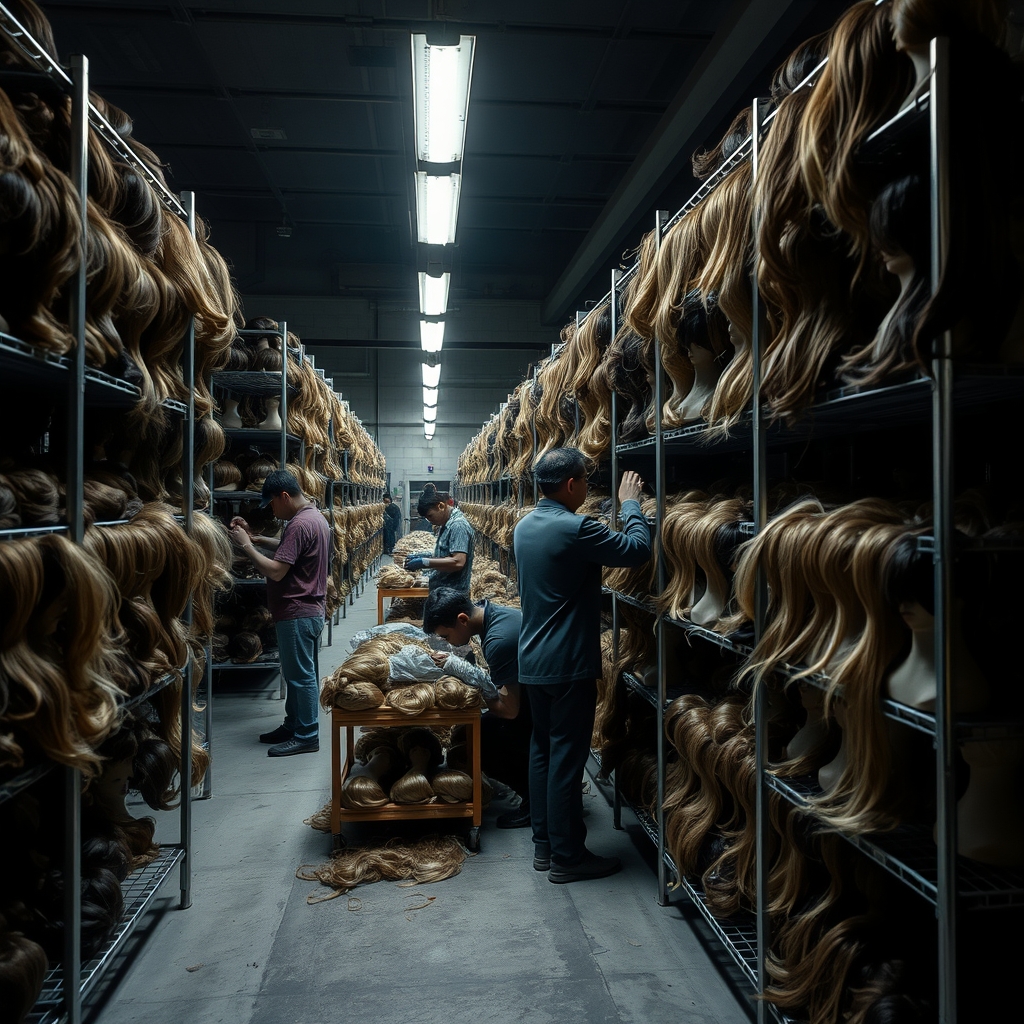
When the curtain lifts on the Berlinale's opening night, the spotlight falls on a filmmaker whose career has spanned the rise of Indonesian cinema from the late 1990s to its current global foothold. This year, he swaps the familiar terrain of family drama for a nightmarish narrative that unfolds inside a sprawling wig factory, turning a seemingly mundane workplace into a crucible of social commentary.
From Social Realism to Spectral Allegory
Known for his unflinching portrayals of class disparity, the director has long used realism as a tool to expose systemic inequities. In his latest effort, he adopts the language of horror to amplify those concerns, embedding critiques of labor exploitation, gendered labor markets, and the commodification of beauty within a tightly wound thriller. The film's protagonist, a young factory supervisor, discovers that the endless rows of synthetic hair conceal a darker secret: a covert system of unpaid overtime and hazardous conditions that haunt the night shift.
Why a Wig Factory?
The choice of setting is deliberate. "Wigs are symbols of identity, yet they're manufactured in factories where workers are often invisible," the director explained in a recent interview with Variety. By situating terror within a space that literally reshapes appearances, the narrative forces viewers to confront how societal pressures to look a certain way are built on the backs of underpaid laborers.
Echoes of Genre Classics
Critics have noted the film's visual kinship with the industrial dread of Jacob's Ladder and the claustrophobic atmosphere of The Babadook. Like those predecessors, the director employs stark lighting and oppressive sound design to make the factory itself feel like a living entity. Yet he also injects a distinctly Southeast Asian sensibility, echoing the social horror found in Joko Anwar's Impetigore where folklore intertwines with contemporary anxieties.
Reception and Cultural Impact
Early screenings have sparked conversations beyond the festival circuit. Labor activists in Jakarta have praised the film for shedding light on the informal economy that fuels the country's beauty industry, while film scholars argue that its blend of genre and advocacy may signal a new direction for Asian horror on the world stage. As the Berlinale's jury deliberates, the film stands as a reminder that horror can be both entertainment and a mirror reflecting societal fractures.
Looking Ahead
Regardless of awards, the filmmaker's gamble on a socially conscious horror piece underscores a broader trend: storytellers are increasingly turning to genre to interrogate real‑world issues. If the film's reception proves any indication, audiences may soon find themselves expecting more than jump scares from the festival's horror lineup – they may expect a call to action.
Kadoo Click brings you daily AI-powered insights into beauty, fashion, cosplay, tech deals, and trending topics. Discover authentic products with real discounts.
Stay updated with the latest in 2026 trends – powered by Kadoo Store AI.