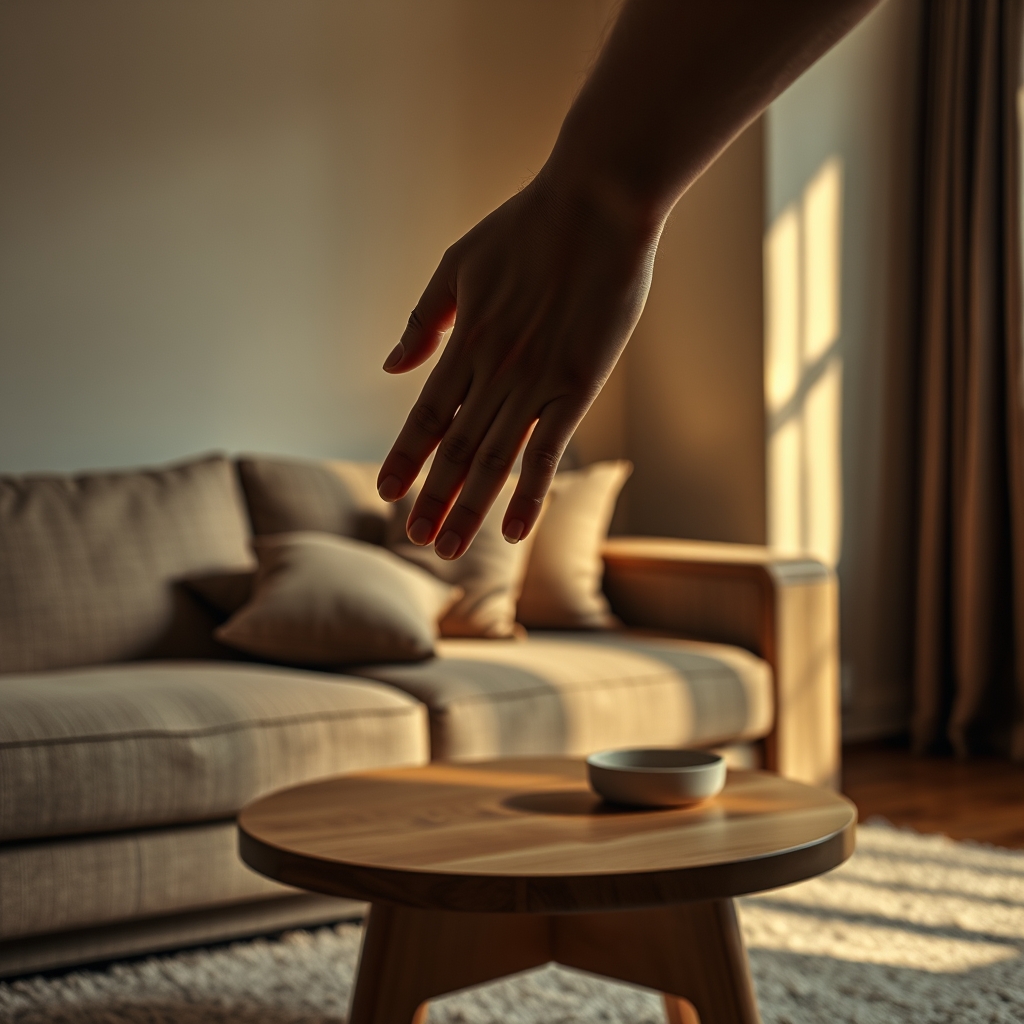
Living room as a cognitive buffer
In a modest apartment on a quiet street in 2024, the living room has become the frontline against the relentless stream of digital stimuli that leaves many with a "popcorn brain"—a mind that craves rapid, bite‑size gratification. Pavilion TEUM's latest spatial intervention replaces glossy, overstimulating surfaces with muted, tactile fabrics, low‑profile lighting, and a layout that encourages lingering rather than scrolling.
The structural tension at play is between aesthetic allure and functional calm; sleek modernism sells excitement, yet the new design privileges utility that steadies attention. By swapping a glossy lacquered coffee table for a reclaimed‑wood piece with a soft, sanded edge, the room invites the touch of grain, a sensory reminder that experience can be slow and grounding.
When a resident pauses, hand hovering over a phone, she instinctively reaches for the cushion, feeling the subtle give of linen as a quiet invitation to stay present. That hesitation, a tiny act of self‑regulation, illustrates how material choices can interrupt the impulse to consume faster content.
This shift aligns with a broader cultural move away from the attention economy's sprint toward instant gratification toward a slower, more embodied living. The living room, once a backdrop for display, now functions as a regulator of perception, a space that can restore the brain's capacity to savor rather than snack.
How living‑room layout influences attention
Strategic zoning—placing a low, warm‑glow lamp opposite a window, arranging seating in a semi‑circle—creates a visual rhythm that guides the eye without demanding it. The result is a measurable drop in eye‑movement frequency, a subtle metric of reduced mental jitter.
Because the design of our most private room shapes how we process the constant digital barrage, rethinking its texture, light, and proportion matters for mental health as much as for style.
In the end, the living room can be more than a showcase; it can be a quiet laboratory where the brain learns to breathe.
Our homes will increasingly serve as the first line of defense against overstimulation.