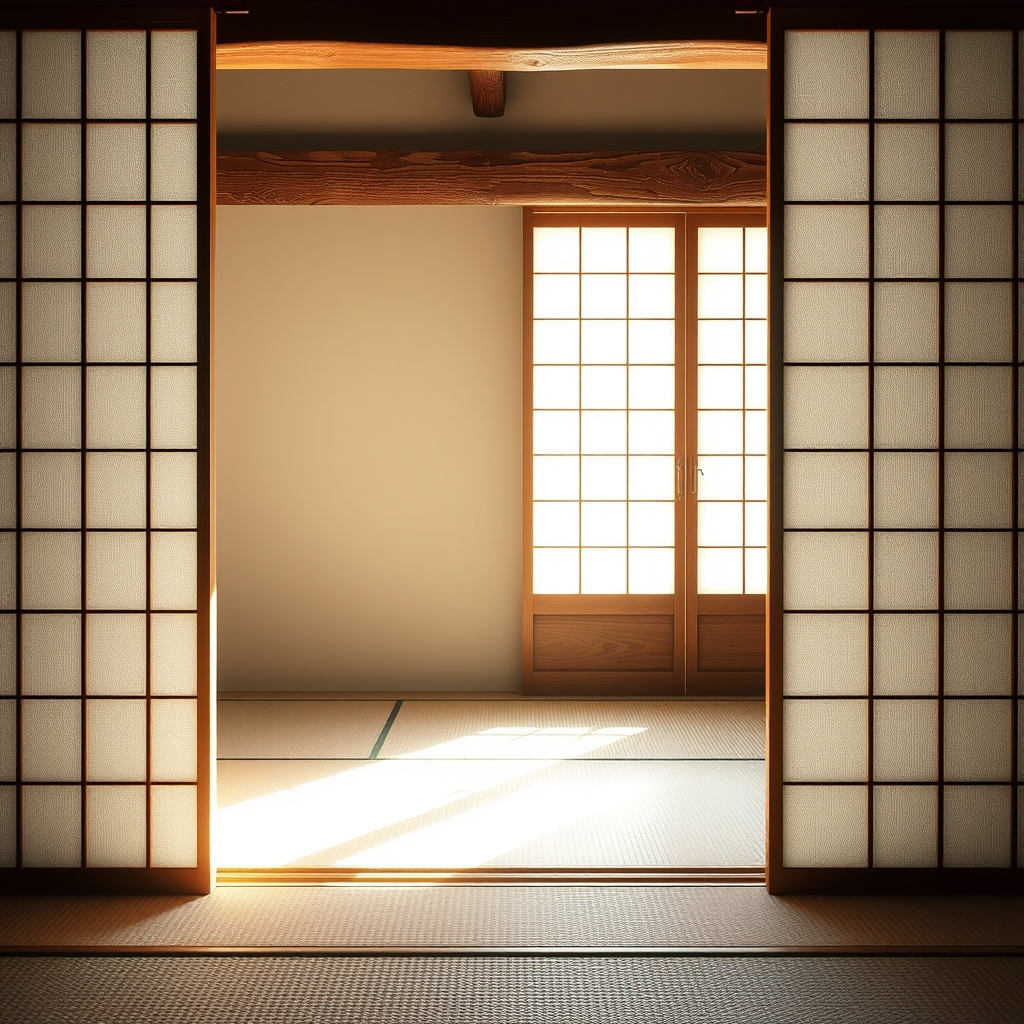
ATAMI's recent renovation of a late‑19th‑century machiya in Kyoto demonstrates a disciplined approach to weaving the building's historic fabric into contemporary domestic life. The house presented itself with shoji‑screened rooms, low ceilings and tatami‑floored chambers, each element echoing centuries of Japanese living. The soft rustle of sliding shoji panels and the faint scent of aged washi paper filled the air as the lead architect paused, hand hovering over a centuries‑old plaster wall, unsure whether to preserve it or replace it with modern insulation.
Reimagining a Kyoto Machiya
Rather than treating the structure as a static museum piece, ATAMI approached it as a living organism, allowing its original rhythm to dictate new spatial choreography. This creates a structural tension between preservation and the desire for modern comfort: the need for efficient heating collides with the integrity of tatami flooring, and the urge for open-plan flow meets the constraints of load‑bearing wooden beams.
Balancing Preservation and Comfort
The project aligns with Japan's growing "renovation before demolition" ethos, a cultural response to environmental concerns and a resurgence of wabi‑sabi values that prize imperfection and transience. By exposing original timber joints and integrating discreet climate‑control systems, ATAMI demonstrates that heritage can be a functional foundation for sustainable, emotionally resonant homes.
The renovation matters because it shows that historic architecture can actively shape contemporary living, not merely serve as nostalgic backdrop.
In cities worldwide, such quiet reverence for past walls may reshape how we inhabit history.
Kadoo Click brings you daily AI-powered insights into beauty, fashion, cosplay, tech deals, and trending topics. Discover authentic products with real discounts.
Stay updated with the latest in 2026 trends – powered by Kadoo Store AI.