Why 'Closure' Resonates Beyond the Festival
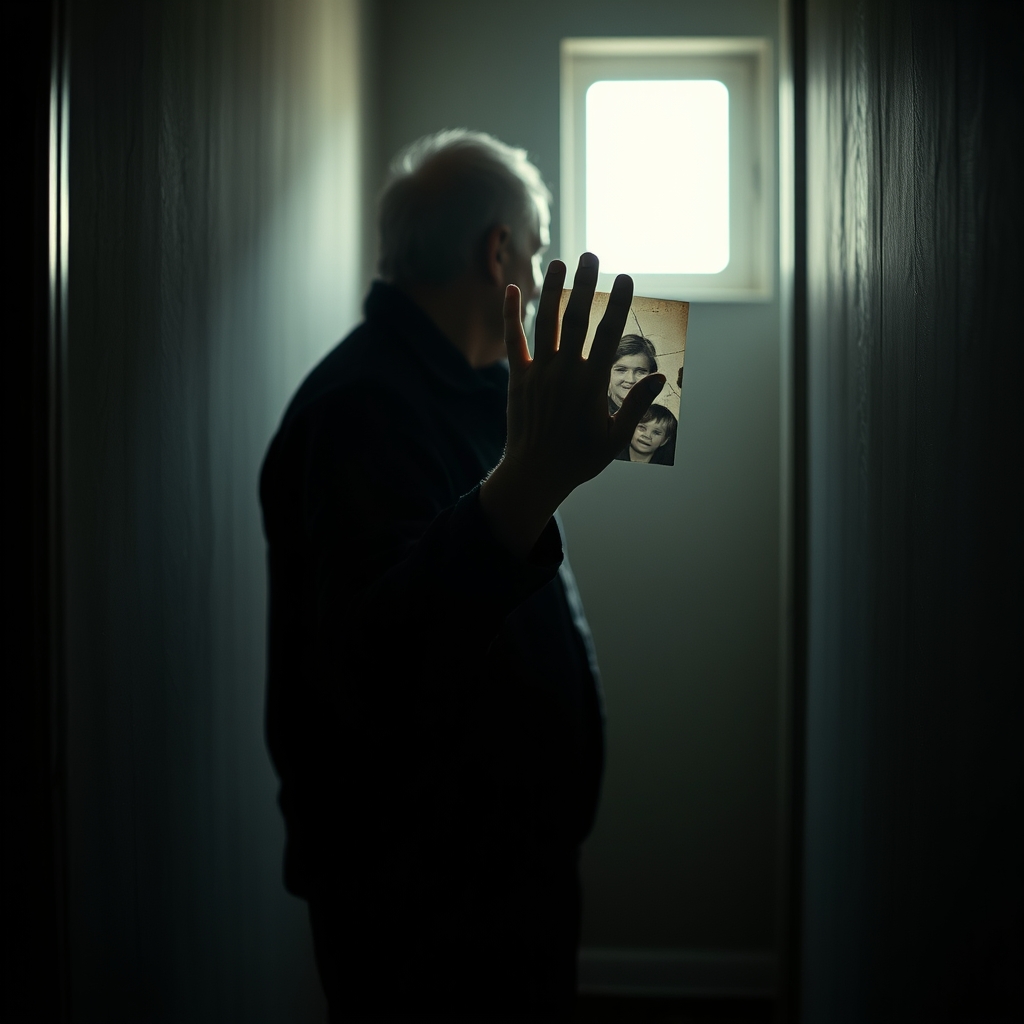
Polish director Michał Marczak's documentary Closure took the Golden Alexander at the Thessaloniki International Documentary Festival on Sunday, honoring a film that follows a father's relentless search for his missing son and the shattering aftermath. In the opening scene, the thin, metallic clatter of a distant train punctuates the cold hallway where the father, hands trembling, pauses before a cracked family photograph, his breath visible in the dim light.
The film's structural tension lies between obsessive pursuit and the inevitable surrender to grief, a dynamic that mirrors Poland's broader cultural negotiation of personal loss amid post‑communist transformation. Marczak's choice to let the camera linger on ordinary textures—wet pavement, the rustle of newspaper pages—reframes the documentary form, shifting it from reportage to intimate confession.
This approach matters because it expands how documentary cinema can engage with trauma, offering a template for storytellers who seek to balance personal truth with collective resonance.
Beyond the awards circuit, the film invites viewers to consider how private sorrow can echo in public consciousness, a reminder that the act of looking is itself a form of bearing witness.
In its quiet honesty, the film asks us all to confront what remains unsaid.
Kadoo Click brings you daily AI-powered insights into beauty, fashion, cosplay, tech deals, and trending topics. Discover authentic products with real discounts.
Stay updated with the latest in 2026 trends – powered by Kadoo Store AI.