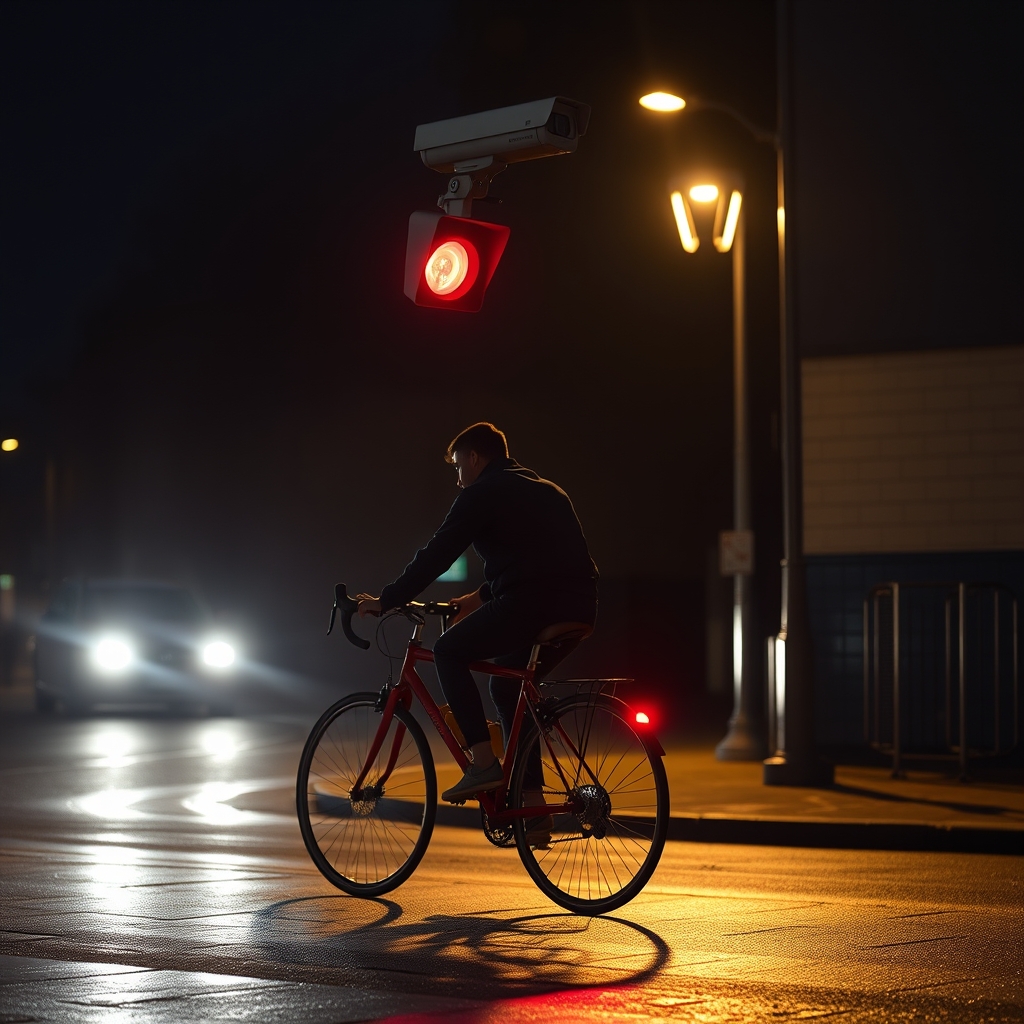
AI‑powered automatic license‑plate readers (ALPRs) line busy avenues, scanning each passing vehicle and logging its movements in real time. In Chicago, a network of these cameras was expanded in March 2024, promising faster ticketing for traffic violations while simultaneously feeding municipal databases with detailed travel histories. The technology, once marketed as a tool for public safety, now fuels a public outcry that frames the debate as a clash between efficiency and privacy.
Why the backlash matters for everyday mobility
Beyond the sterile glow of the camera's infrared LEDs, the street feels altered: a cyclist slows beneath a humming sensor, the rubber of the tires whispering against wet pavement as they glance at the red light, wondering if the lens will record their route. That moment of hesitation captures a broader tension—city planners seek smoother traffic flow, yet citizens demand control over their own data. The backlash is not merely a reaction to a gadget; it signals a cultural shift where active lifestyles intersect with pervasive surveillance, prompting activists to petition for clearer regulations and opt‑out mechanisms.
Interpretively, ALPRs have moved from a narrow law‑enforcement utility to a data‑harvesting platform that can map patterns of movement for commercial and governmental purposes. This reframing forces a reassessment of how technology mediates public space, especially for those who rely on biking, running, or walking as daily practice. The spread of ALPRs matters because it reshapes the boundary between public safety and personal privacy, influencing how people navigate their cities.
As the conversation evolves, the city's infrastructure will have to balance the promise of efficient traffic management with the right to move unseen.
In the end, the streets we share will reflect the choices we make about visibility.
Kadoo Click brings you daily AI-powered insights into beauty, fashion, cosplay, tech deals, and trending topics. Discover authentic products with real discounts.
Stay updated with the latest in 2026 trends – powered by Kadoo Store AI.