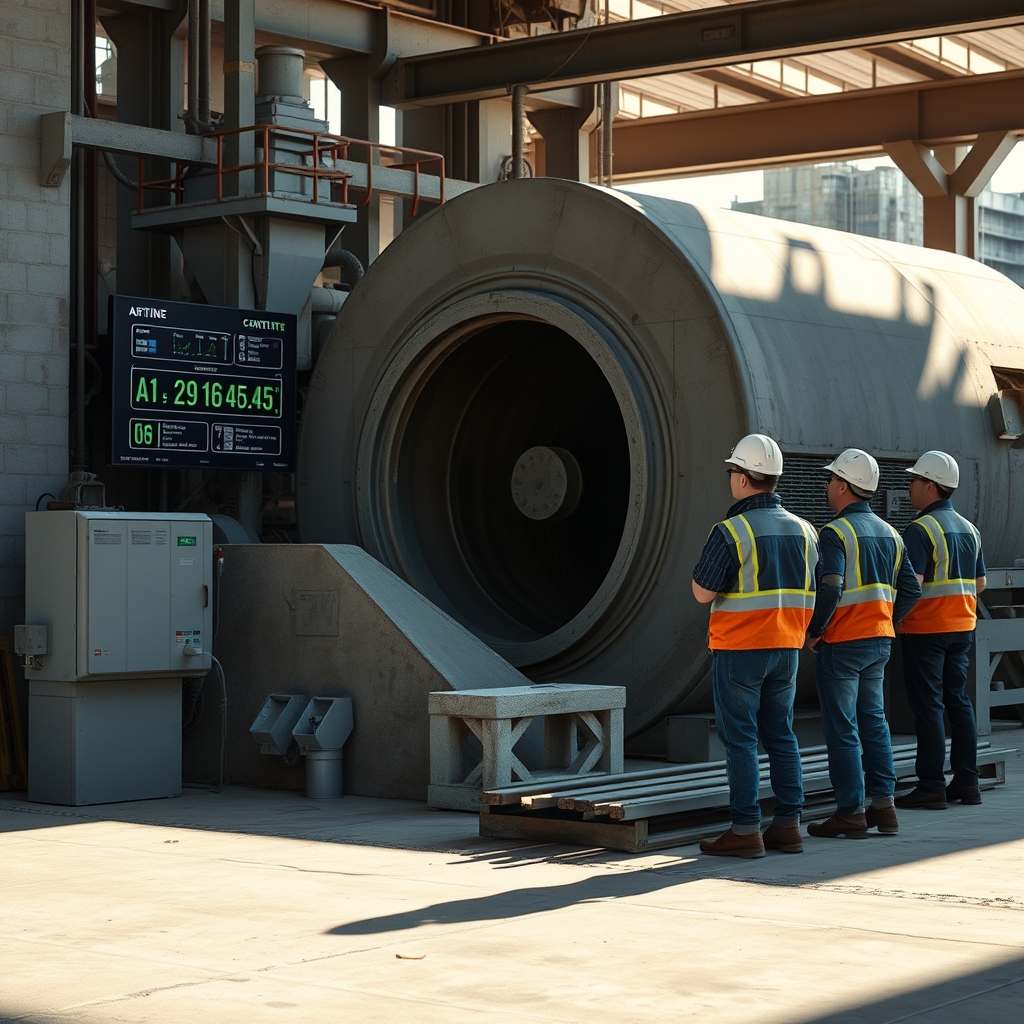
How artificial intelligence reshapes concrete production
At a sprawling plant outside Austin, Texas, engineers demonstrated an AI system that proposes concrete mix designs in real time. The software evaluates raw‑material prices, local climate data, and durability targets, then suggests a formulation that can shave up to 8% off the per‑ton cost while preserving the compressive strength required for high‑rise foundations. The approach promises producers a way to stay competitive and to buffer their supply chains against the price volatility that has plagued the industry since the pandemic.
Beyond the spreadsheet, the real tension lies between cost efficiency and long‑term safety. An algorithm that minimizes expense may tempt a manager to accept a marginally weaker mix, yet the structural consequences of such a decision could be severe. The system therefore embeds a safety margin that automatically adjusts when the predicted load exceeds a threshold, illustrating the classic trade‑off of automation versus autonomy.
In practice, the shift reflects a broader move toward digital twins in construction, where virtual models inform physical processes. This mirrors the sustainability push that has turned concrete—responsible for roughly 8% of global CO₂ emissions—into a focal point for climate‑smart innovation. By lowering material costs, developers can allocate more budget to low‑carbon alternatives such as supplementary cementitious materials, nudging the sector toward greener practices.
During the demonstration, plant manager Elena Ruiz paused, her hand hovering over the "approve" button on the touchscreen. The brief hesitation—her eyes scanning the projected strength curve—captured the human element of trust in a machine's recommendation. She adjusted the mix by a single kilogram of fly ash, a decision that balanced the algorithm's cost saving with her experience of local aggregate behavior.
The hum of the mixing drum, the gritty texture of fresh concrete under a gloved hand, and the cool morning air in the control room all underscored the tangible reality of this technological leap. It matters because reducing cement costs while ensuring supply‑chain stability can lower construction expenses, keep housing affordable, and diminish the sector's carbon footprint.
Implications for the built environment
As stadiums, arenas, and other sports venues demand rapid, cost‑effective construction, AI‑driven mix optimization offers a pathway to meet tight deadlines without compromising quality. The technology's ability to anticipate material shortages and suggest alternative inputs could become a cornerstone of resilient infrastructure, especially in regions where logistics are unpredictable.