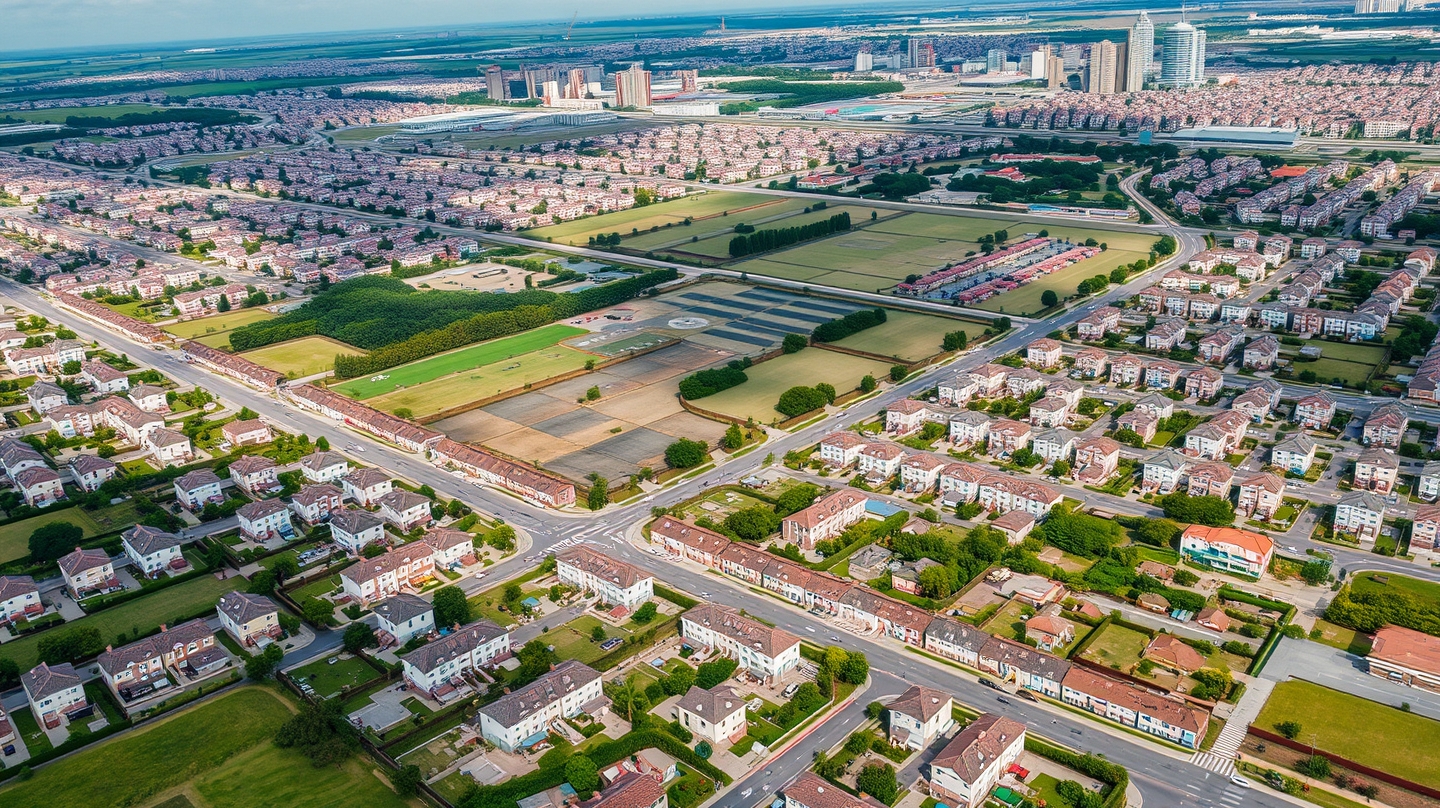
The US housing market has experienced significant growth in metropolitan areas, with a 6.6% increase in housing units between 2020 and 2025. This growth translates to almost 9 million new units, according to a recent Urban Institute analysis. However, the expansion is largely concentrated in specific regions, with Texas being a major contributor.
The state's four largest metropolitan areas accounted for 13.3% of the new housing supply, highlighting the disproportionate nature of the growth. In contrast, the nation's three largest metropolitan areas - New York, Los Angeles, and Chicago - added housing units at a much slower pace, with supply growth rates under 4%.
This trend is a response to the historic housing construction slump of the 2010s, which led to a national affordable housing shortage. The increase in housing development in the 2020s has been largely driven by technological advancements and workflow transformations in the construction industry. The adoption of technology has enabled more efficient and cost-effective construction processes, contributing to the growth in housing units.
However, the growth is often concentrated in areas far from existing neighborhoods due to the limited availability of low-cost land. This has significant implications for urban planning and development, as cities strive to balance growth with the need for affordable and accessible housing. The use of technology, such as data analytics and automation, can help inform urban planning decisions and optimize the development process.
The top 10 metropolitan areas that added the most housing units between 2020 and 2025 are a mix of cities with strong economic growth and those that have invested heavily in housing development. These cities are likely to continue to drive growth in the US housing market, but challenges such as affordability and accessibility remain.
The integration of technology in the construction industry is expected to play a crucial role in addressing these challenges. By leveraging automation and data analytics, developers can reduce costs, improve efficiency, and create more sustainable and livable communities. As the US housing market continues to evolve, it is essential to consider the impact of technological advancements on the industry and the communities it serves.