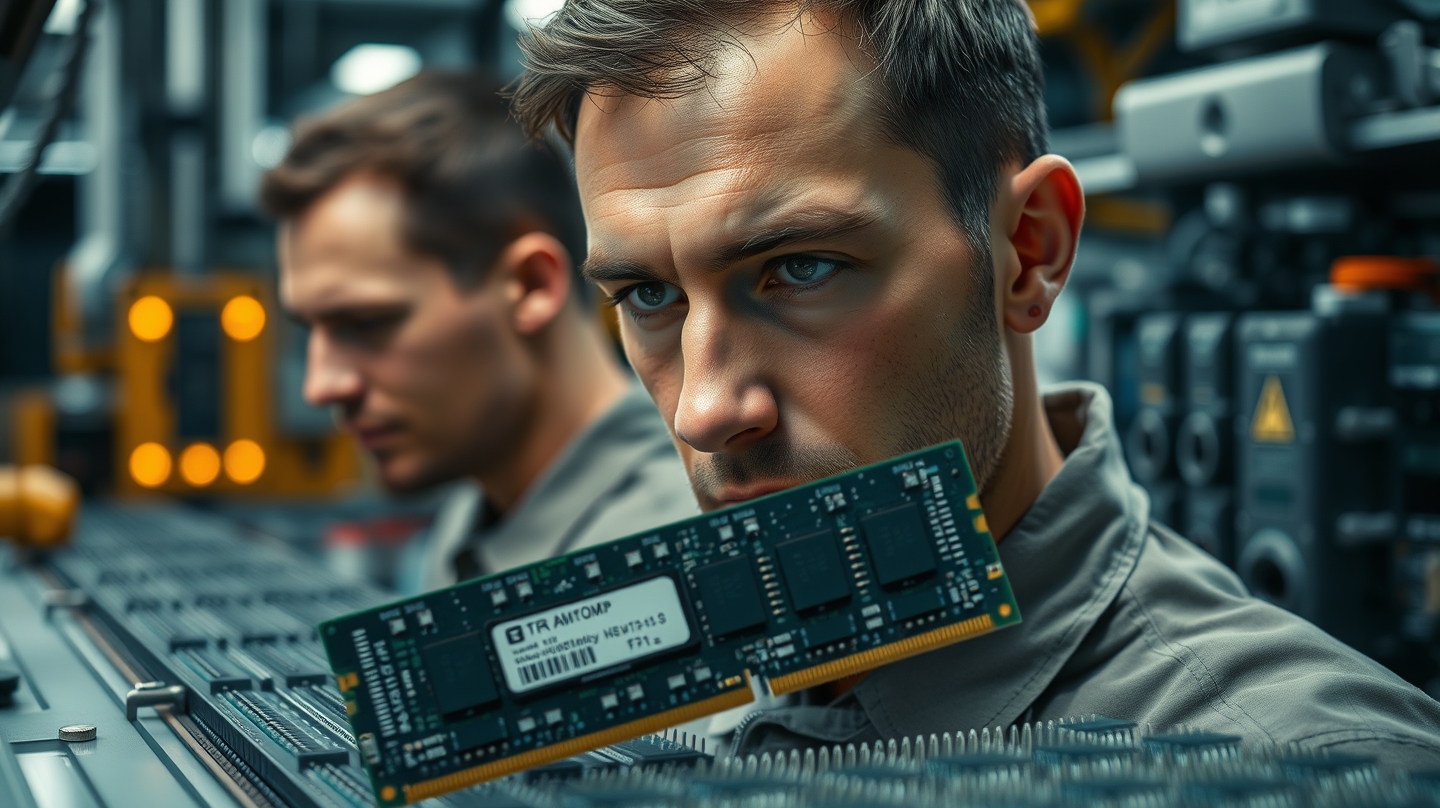
A recent lawsuit filed in a California federal court accuses Samsung, SK Hynix, and Micron, the three firms responsible for producing almost all of the world's DRAM memory chips, of artificially inflating prices by limiting supply. The lawsuit claims that the companies have been shifting their production towards more lucrative AI memory chips, resulting in a 700% price increase for ordinary memory over the past four years.
This is not the first time these companies have faced accusations of price fixing. In 2005, Samsung admitted to fixing memory prices and paid a $300 million fine, the second-largest penalty of its kind in US history. Some executives even faced prison time. However, the new lawsuit alleges that the companies have since reinstated those same individuals in their jobs.
The plaintiffs, which include 14 individuals and three small computer shops, argue that the companies' actions have resulted in a shortage of everyday memory chips, allowing them to charge exorbitant prices. With the three firms controlling around 90% of the global DRAM market, shoppers have little choice but to pay the inflated prices. Building a new factory to compete with these giants would require a massive investment of over $15 billion and take years to complete.
Just days after the lawsuit was filed, the companies unveiled a $650 billion spending plan, which they claim demonstrates the genuine demand for their products. Samsung and SK Hynix plan to build two new factories each, which will primarily produce specialized memory for AI applications. Micron, on the other hand, has defended its decision to exit the consumer market, citing the need to focus on larger, strategic customers in faster-growing segments.
However, the plaintiffs see this move as a deliberate attempt to maintain tight control over the supply of memory chips and keep prices high. They question why Micron would choose to exit a popular consumer brand like Crucial, which had been in operation for 29 years, at a time when profits were peaking.
The outcome of this lawsuit is far from certain. Two earlier versions of the case failed, with courts ruling that rising prices alone do not constitute evidence of a price-fixing scheme. This time, however, the plaintiffs claim to have more substantial evidence, including the involvement of the same companies, the same product, and some of the same executives who were previously implicated in price-fixing activities.
The impact of this lawsuit extends beyond the tech industry, with Apple already raising some prices to cover the increased cost of memory chips. Analysts predict that memory prices will continue to rise, with Jefferies expecting a 50% increase this quarter and 40% the next, with no relief in sight until 2028.