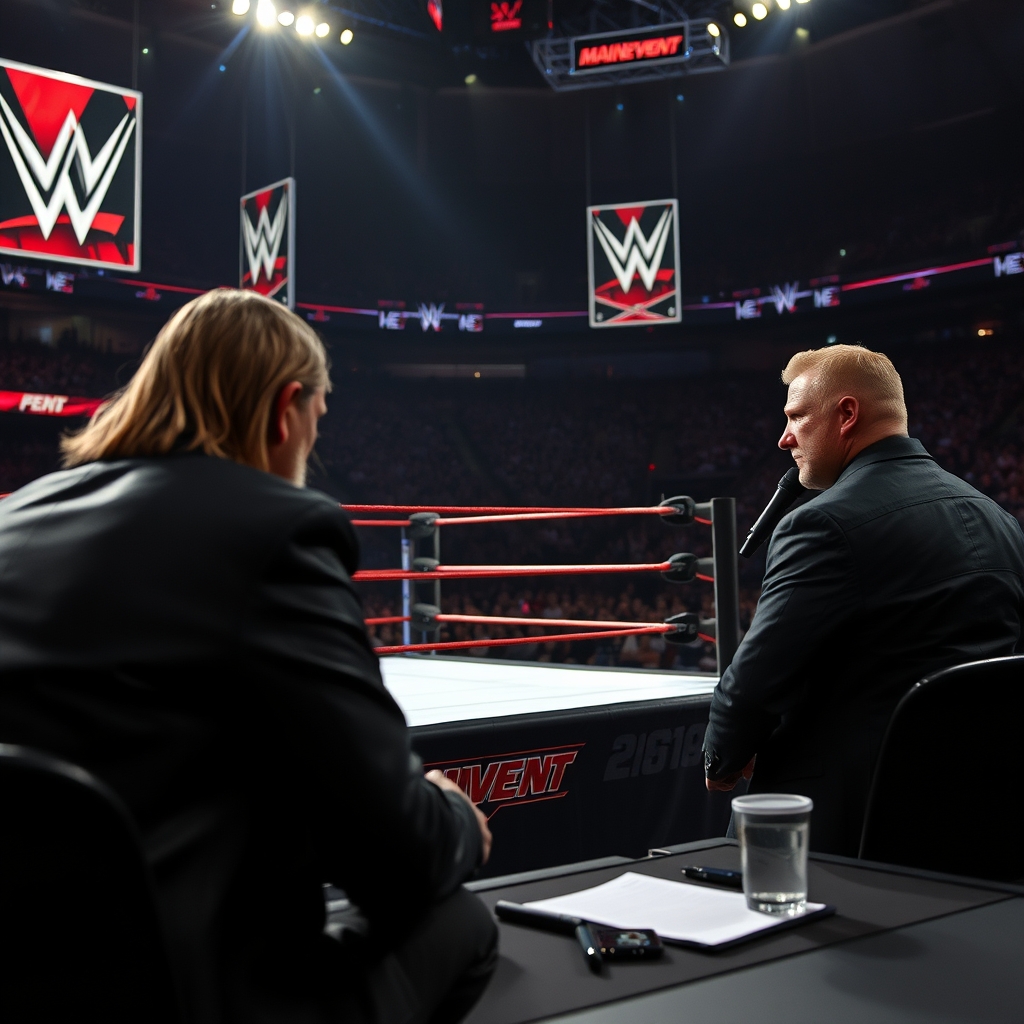
When WWE announced that its weekly “Main Event” series would leave YouTube for a platform known for its conservative‑leaning audience, industry insiders wondered what the move says about the evolving digital‑first strategy of legacy entertainment brands. The series, which has aired on YouTube since early 2026, will begin streaming on Rumble on October 14, with new episodes released every Wednesday at 8 p.m. ET/5 p.m. PT.
“Serving a digital‑first audience is a core focus for WWE, and Rumble has built an accessible platform that is committed to delivering premium sports and entertainment programming,” said Alex Varga, executive vice president at WWE. The statement underscores a deliberate pivot toward platforms that promise both reach and a distinct brand environment.
Rumble, founded in 2013, surged in popularity after 2020 as a refuge for creators who felt censored elsewhere. In recent years the company has broadened its portfolio, adding AI tools and infrastructure services, and now positions itself as a serious contender in the sports‑streaming arena. “WWE content has consistently ranked among the most‑watched programming on television, top streaming platforms and social media for decades – a rare combination that resonates with both fans and advertisers alike,” said Claudio Ramolo, Rumble’s chief content officer. “This partnership reflects Rumble’s ongoing commitment to bringing our users the very best in sports, entertainment and beyond.”
The migration is more than a platform swap; it signals a shift in how mid‑tier sports‑entertainment properties distribute content. Historically, WWE’s “Main Event” debuted on Ion Television in 2012, later moving through Hulu, the WWE Network, Peacock, and finally YouTube. Each transition aligned with a broader industry trend: legacy content seeking the audience where it spends the most time—online, on mobile, and on niche platforms.
For advertisers, the move offers a new data environment. Rumble’s ad‑tech stack promises granular audience insights that differ from Google’s ecosystem, potentially allowing sponsors to target viewers who are both sports‑enthusiastic and politically engaged. This could reshape ad pricing models for wrestling content, which has traditionally relied on broad‑reach deals.
Fans are the most immediate beneficiaries and the most vocal critics. The series will be available via Rumble.com/WWE and through the platform’s mobile and TV apps, preserving the free‑to‑watch model that YouTube provided. However, viewers accustomed to Google’s recommendation algorithms may need to adjust to Rumble’s discovery mechanisms, which prioritize user‑curated feeds over algorithmic surfacing.
From a structural perspective, the shift illustrates a growing “platform‑specific window” strategy. Instead of a single global release, content owners are carving out multiple distribution phases—first on a mass‑reach platform, then on a niche platform that offers higher engagement per viewer. This approach mirrors the creator‑economy evolution where creators diversify revenue streams across TikTok, Patreon, and emerging services.
Industry analysts view the WWE‑Rumble partnership as a bellwether for other sports‑entertainment brands weighing similar moves. As streaming saturation intensifies, platforms that can combine live‑event credibility with a clear community identity may attract legacy programming that seeks both exposure and a differentiated audience.
In the broader media landscape, the transition underscores the accelerating digital‑first consumption pattern that has been reshaping television for the past decade. While major networks still command primetime slots, the real‑time viewership of live sports and wrestling continues to migrate to platforms that promise immediacy, interactivity, and a sense of belonging.
Ultimately, WWE’s decision reflects a calculated response to audience fragmentation, advertiser demand for niche data, and the creator‑economy’s push toward platform diversification. Whether Rumble can sustain the viewership levels that YouTube delivered remains to be seen, but the partnership marks a clear moment in the ongoing redefinition of where premium sports entertainment lives online.