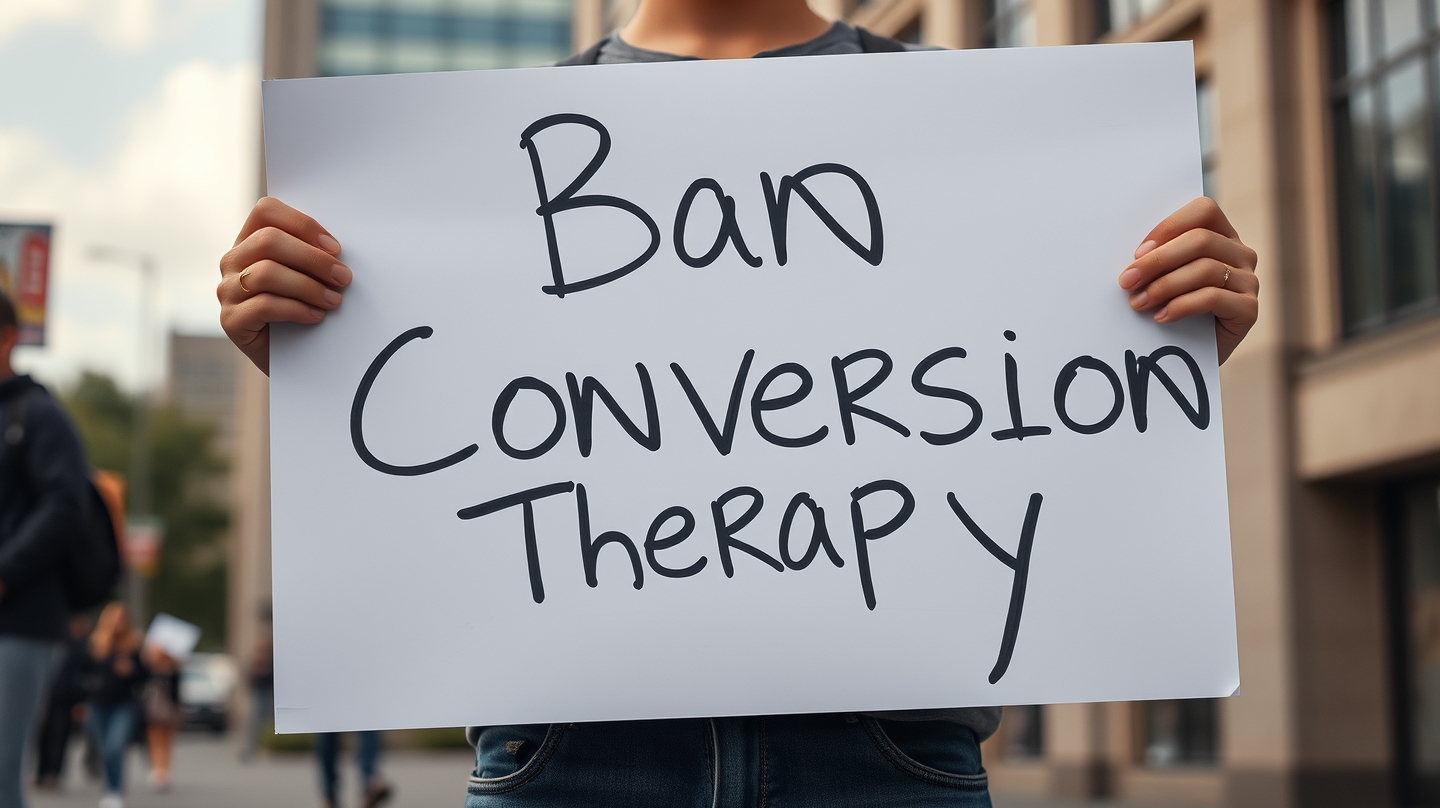
In a significant step forward for LGBT+ rights, the UK government has announced plans to introduce legislation that would ban conversion practices, commonly known as "conversion therapy". The proposed law, which is expected to be laid before Parliament, would make it a criminal offense to attempt to change someone's sexual orientation or transgender identity through abusive acts, with perpetrators facing up to five years in prison and unlimited fines.
The draft Conversion Practices Bill aims to protect LGBT+ individuals from physical and psychological abuse, and would create two new criminal offenses: one for carrying out conversion practices that cause serious harm, alarm, or distress, and another for encouraging or assisting such practices to take place outside of England and Wales.
According to the government, existing domestic abuse or coercive control laws do not address the unique nature of abusive conversion practices, which is why new legislation is necessary. The proposed law would also include new civil powers, known as Conversion Practice Protection Orders, which would allow authorities to pre-emptively protect those deemed to be at risk of abuse.
While the prevalence of conversion practices is difficult to determine, a 2018 UK-wide LGBT Survey found that about 5% of respondents had been offered some form of conversion therapy, while 2% had undergone it. More recent figures from the anti-LGBT abuse charity Galop suggest that between 2022 and 2025, the organization identified over 300 calls related to conversion practices, with many cases involving physical and sexual violence, attempts at forced marriages, and people being forcibly taken abroad to undergo conversion practices.
The proposed legislation has been welcomed by many as a significant step forward for LGBT+ rights, but some groups have raised concerns that the law could criminalize exploratory conversations around gender identity or sexual orientation. The government has sought to reassure these groups, stating that the legislation is designed to protect LGBT+ individuals from abusive practices, rather than restrict legitimate discussions or counseling.
As the UK moves forward with this landmark legislation, it is likely to have significant implications for LGBT+ individuals, communities, and organizations. The ban on conversion practices is a major victory for those who have campaigned against these abusive and discredited practices, and it is hoped that it will help to create a safer and more supportive environment for all.