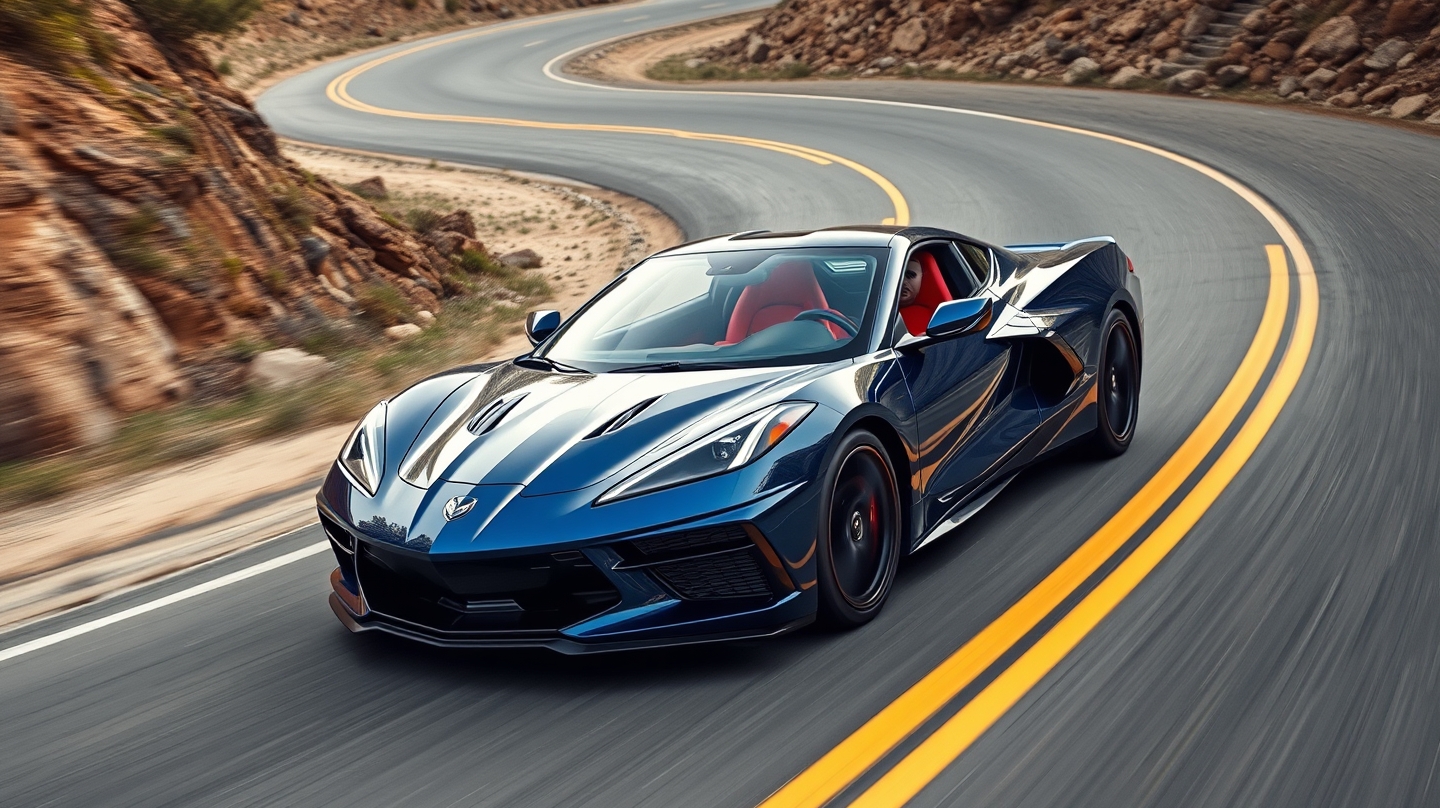
When Chevrolet rolls out a $70,000 sports car that can sprint from 0‑60 in under three seconds, the headline is obvious—speed. Yet the 2027 Corvette also signals a quieter shift: the brand’s embrace of hybrid powertrains and factory‑floor automation that could reshape how performance vehicles are built and sold.
The 2027 Corvette Stingray and Grand Sport retain the mid‑mounted 6.7‑liter LS6 V‑8, now tuned to 535 horsepower. The Grand Sport X adds a 186‑horsepower electric motor, pushing combined output to 721 horsepower and delivering all‑wheel drive. An eight‑speed dual‑clutch automatic, operated via push‑button selector and paddle shifters, is the sole transmission; a manual gearbox remains unavailable. Acceleration figures sit under three seconds to 60 mph, and the chassis can generate more than 1.0 g of lateral grip straight from the factory.
Beyond raw performance, Chevrolet’s production line for the 2027 model incorporates advanced robotics and AI‑driven quality inspection. Sensors monitor torque, paint thickness, and aerodynamic panel alignment in real time, reducing rework rates by an estimated 15 percent. This automation not only trims manufacturing costs but also enables the price‑to‑performance ratio that has become the Corvette’s hallmark.
Inside, the two‑seat cabin now rivals entry‑level luxury rivals. Premium leather, a digital instrument cluster, and optional carbon‑fiber trim create a driver‑focused environment. The adaptive suspension, standard on the Grand Sport, adjusts damping on the fly, while the Z52 track package adds carbon‑ceramic brakes and aerodynamic elements such as a carbon‑fiber splitter and wing. These options let owners tailor the car for daily comfort or track‑day aggression without compromising the base model’s refinement.
From a market perspective, the Corvette’s hybrid variant arrives as the industry pivots toward electrification without abandoning the V‑8 heritage that defines American performance. Analysts note that the 721‑horsepower Grand Sport X narrows the gap between traditional supercars and emerging electric‑only contenders. For buyers, the hybrid system offers improved fuel economy and lower emissions, which could influence future regulatory compliance and resale values.
Technology adoption extends beyond the vehicle itself. Automotive journalists covering the 2027 Corvette increasingly rely on AI‑assisted workflows—automated transcription, image tagging, and data aggregation—to produce faster, data‑rich stories. This media infrastructure transformation mirrors the car’s own blend of mechanical and electronic systems, illustrating a broader trend where content creation mirrors product development.
Real‑world implications are already visible. Dealerships equipped with digital configurators let customers visualize hybrid power options and performance packages in augmented reality, shortening the decision cycle. Meanwhile, the hybrid powertrain’s regenerative braking contributes to modest fuel savings, a tangible benefit for owners who log both highway miles and occasional track runs.
In summary, the 2027 Chevrolet Corvette delivers supercar performance at a price that undercuts many European rivals, while its hybrid powertrain and automated production line signal a strategic shift toward technology‑driven efficiency. The model’s success will likely pressure competitors to blend raw power with smarter manufacturing, reinforcing a market trend that values both speed and sustainability.