Britain is bracing for its fourth consecutive heatwave, with temperatures projected to crest 35 °C, and wildfires are raging across southern Europe. The obvious narrative points to a surge in demand for air‑conditioning and heat‑pump solutions. Yet a closer look at the market reveals a more nuanced story: institutional investors are betting heavily on the data‑center cooling market, creating a split in performance among three leading cooling‑technology stocks.
Carrier Global (NYSE:CARR), the parent of German heat‑pump maker Viessmann, appears on the surface to be the most directly linked to the European heatwave. Its shares have risen 31.21 % year‑to‑date, currently trading around $69.33. However, the stock slipped roughly 6 % over the past month, a dip that has not gone unnoticed by large investors. The Chaikin Money Flow (CMF) indicator, which tracks institutional buying pressure, has been climbing steadily since mid‑July, indicating that major funds are accumulating the stock precisely as prices retreat.
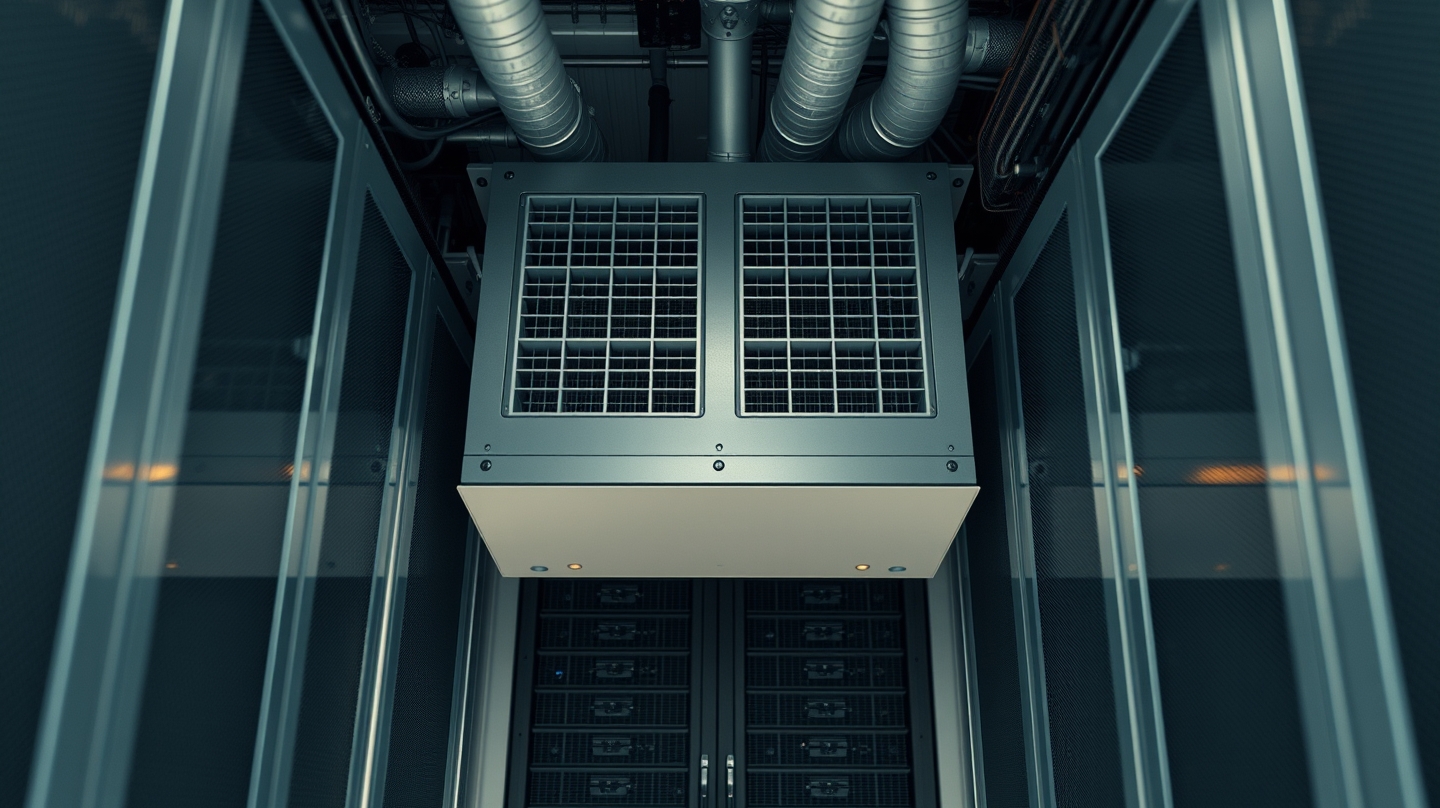
In contrast, two of Carrier’s peers—companies that also supply cooling solutions to commercial and industrial clients—have seen a steadier price trajectory but markedly weaker institutional inflows. The divergence suggests that investors are pricing in a second, technology‑driven market: the relentless heat burden on data centers. Modern data centers consume massive amounts of electricity for server operation, and cooling accounts for up to 40 % of that load. As ambient temperatures rise, the cost of keeping racks at optimal temperatures escalates sharply, prompting operators to seek more efficient, high‑capacity cooling systems.
This dual‑market dynamic is reshaping the sector’s risk‑reward profile. On one hand, traditional HVAC demand spikes during heatwaves, benefitting companies with strong residential and commercial footprints. On the other, the data‑center segment offers a higher‑margin, longer‑term growth engine, especially as cloud providers and hyperscale operators expand capacity in Europe to meet data‑sovereignty regulations.
Institutional money is reacting to this split by concentrating on firms that have already integrated data‑center cooling into their product pipelines. Carrier’s acquisition of Viessmann gave it a foothold in Europe’s high‑efficiency heat‑pump market, and its engineering teams have been adapting those technologies for dense‑load environments. This strategic positioning explains why the CMF has risen despite the stock’s short‑term price weakness: investors anticipate that Carrier will capture a larger share of the emerging data‑center cooling spend.
The broader implication for investors is clear. Companies that can demonstrate a credible roadmap for data‑center‑specific cooling solutions are likely to attract continued institutional support, even if their share price experiences temporary pullbacks. Conversely, firms that remain focused solely on traditional HVAC may see their institutional inflows wane as the market’s attention shifts toward the higher‑growth, technology‑intensive segment.
For the industry, the trend underscores a shift in capital allocation toward sustainability‑focused cooling technologies. As European regulators tighten energy‑efficiency standards, data‑center operators will prioritize solutions that reduce power usage effectiveness (PUE). This creates a feedback loop: increased demand for efficient cooling drives innovation, which in turn attracts more investment, reinforcing the sector’s growth trajectory.
Investors should monitor three key signals moving forward: (1) the trajectory of CMF and other institutional flow metrics for cooling stocks, (2) announcements of data‑center‑specific product launches or partnerships, and (3) regulatory developments that could accelerate the adoption of low‑PUE technologies across Europe. Aligning portfolio decisions with these indicators can help capture upside while navigating the short‑term volatility that heatwave‑driven price swings can generate.