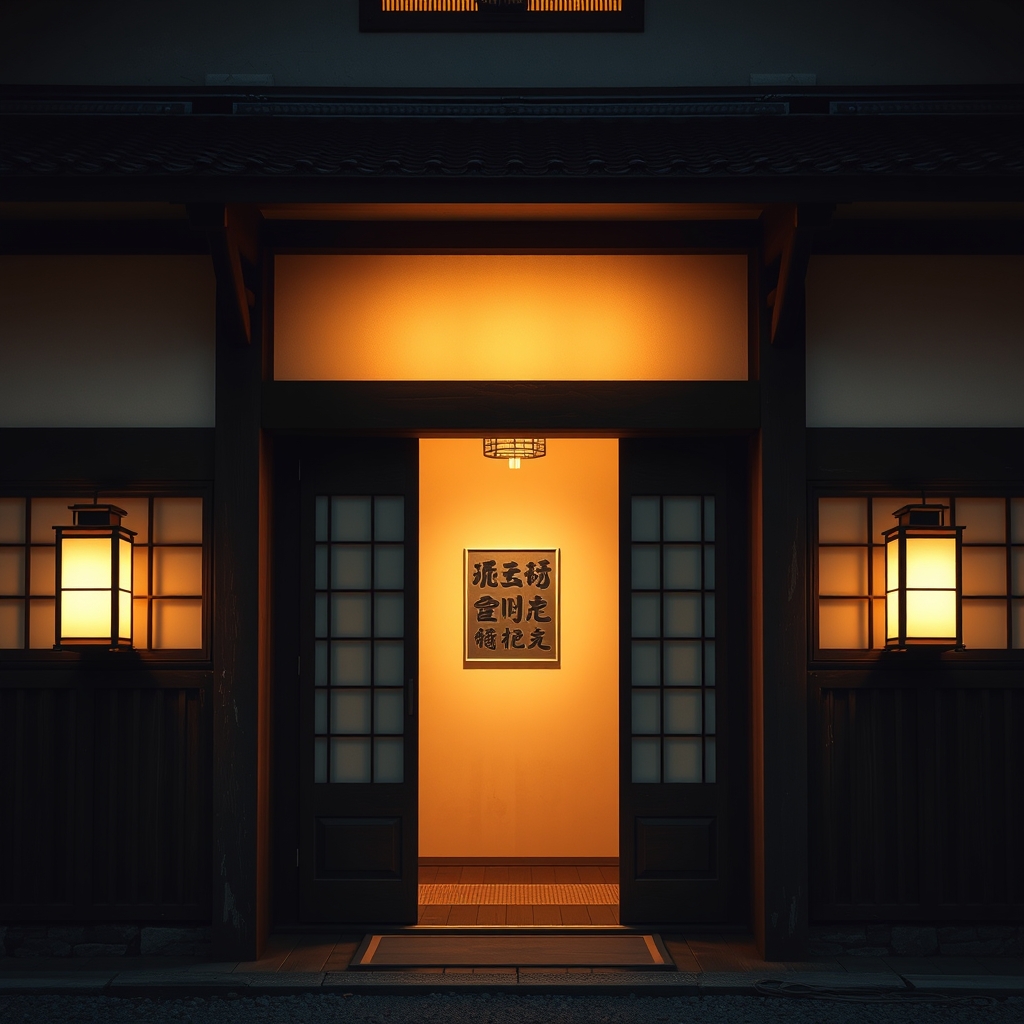
Every evening we cross a threshold that feels both ordinary and uncanny; the act of stepping through a front door is a quiet rite that blends memory, imagination, and the built environment. Philosophers such as Gaston Bachelard have called this phenomenon “topoanalysis,” arguing that the corners, stairs, and light of a childhood home become part of the body’s memory. Studio Ghibli’s animated worlds, especially My Neighbor Totoro, dramatize that very idea, turning a modest Japanese house into a stage where nostalgia and imagination meet.
Bachelard’s notion of a “felicitous space” describes how a beloved house is already saturated with longing before new occupants arrive. Juhani Pallasmaa expands the argument, insisting that lived space transcends Euclidean geometry. In Ghibli’s film, the sisters discover soot spirits that flutter away when a room is disturbed—visual shorthand for the invisible expectations that already inhabit a house.
That cinematic moment mirrors Arnold van Gennep’s three‑phase rite of passage: separation, liminality, and incorporation. Standing at the front door marks separation from the external world; opening it creates the liminal threshold; stepping inside completes the incorporation into a new domestic rhythm. The ritual is not merely symbolic; it structures how viewers process narrative space, shaping emotional engagement.
While the psychological underpinnings are timeless, the way Ghibli renders them is undergoing a rapid transformation. The studio, once renowned for hand‑drawn cel animation, now integrates technology‑driven automation into its workflow. Machine‑learning tools assist in background generation, texture mapping, and even crowd simulation, allowing artists to focus on the subtle gestures that convey a house’s memory. This shift from traditional media to digital platforms mirrors a broader industry trend: studios are leveraging AI to preserve the tactile feel of hand‑crafted art while accelerating production pipelines.
The implications extend beyond aesthetics. Streaming services, powered by recommendation algorithms, curate content that resonates with viewers’ personal “home memories.” By embedding AI‑generated environments that echo Bachelard’s topological cues, creators can craft scenes that trigger deeper emotional recall, potentially increasing viewer retention on platforms such as Netflix and Disney+. In practice, a digital artist might feed a neural network with photographs of a 1970s Japanese kitchen; the model then produces a background that feels both familiar and freshly imagined, reinforcing the film’s thematic core without sacrificing production speed.
From an architectural perspective, this convergence of psychology and technology invites a new design dialogue. Urban planners and interior designers are already using VR simulations that embed memory‑based cues—light quality, material texture, spatial proportion—to test how new housing projects will be perceived emotionally. The same AI tools that speed up Ghibli’s animation can be repurposed to model “felicitous spaces” before a building is constructed, aligning physical design with the subconscious expectations of future occupants.
In short, the ritual of coming home is both a personal habit and a cultural script that now travels through digital pipelines. As studios automate more of the visual labor, the challenge will be to keep the psychological depth intact. The future of cinema may hinge on whether technology can faithfully reproduce the invisible architecture of memory that makes a house feel sacred.