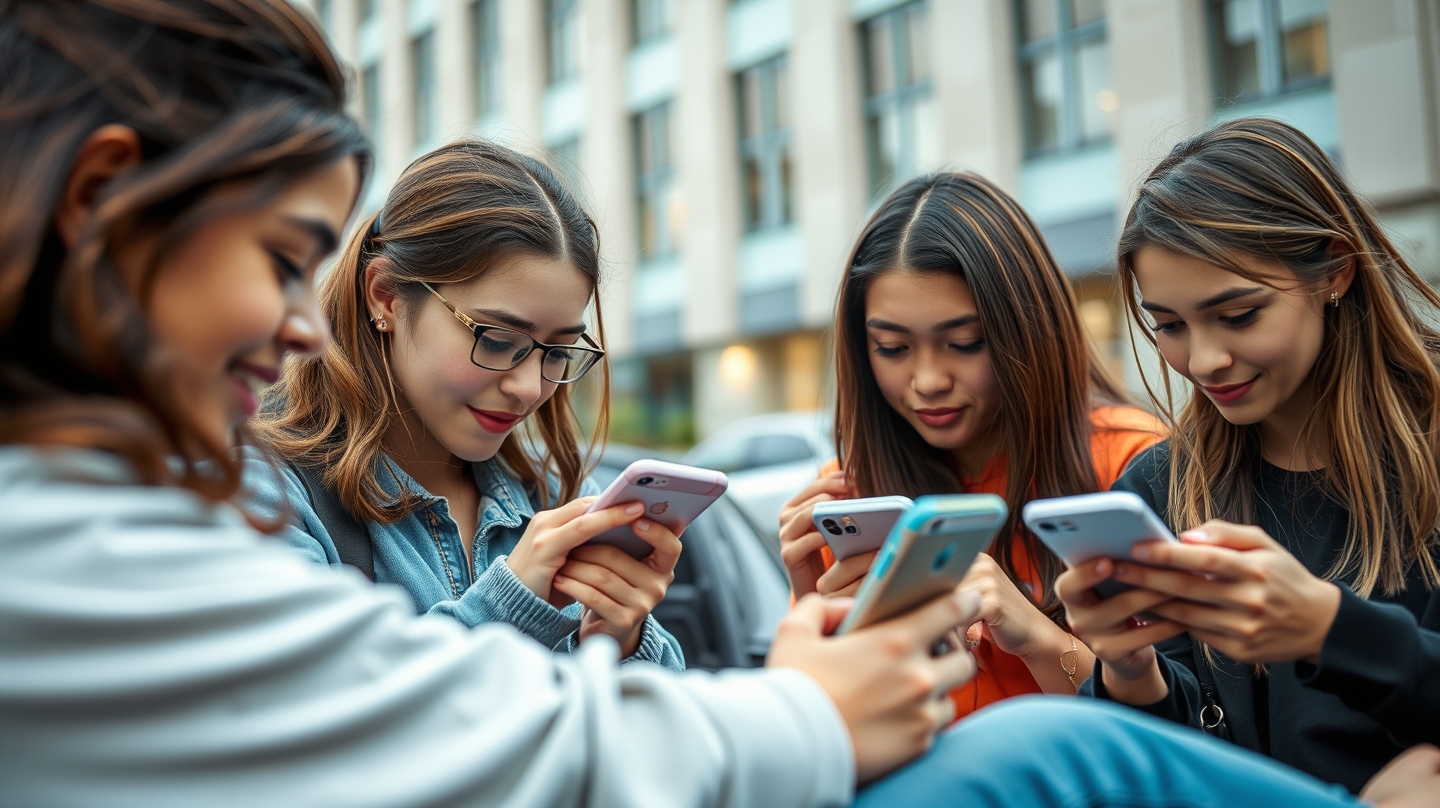
The UK government is poised to introduce restrictions on social media use among teenagers, with Culture Secretary Lisa Nandy asserting that tech companies have had ample time to guarantee their products are safe for children. Ahead of an announcement by the prime minister on Monday, Nandy emphasized that if firms are not prepared to ensure their products are safe, they 'lose the right to market their products towards children'.
Campaigner Ian Russell, whose daughter Molly took her own life after viewing harmful content online, expressed dismay at reports of the ban, suggesting that the policy had been 'rushed' forward for 'a political reason' by Starmer. Russell stated that if the policy is being used for political gain, it is 'gambling with young people's lives - and I find that deplorable'.
Nandy refused to pre-empt the prime minister's announcement but acknowledged that the vast majority of responses to the government's consultation had backed a social media ban for under-16-year-olds. She noted that the ban in Australia had shown some young people would find ways to avoid restrictions but argued that it changed the presumption of using social media at a young age.
The Culture Secretary emphasized the urgency of the situation, stating that young people need help now and that tech companies have had more than enough time to get their own house in order. She warned that if tech companies are not prepared to create products that keep children safe online, they will lose the right to market their products towards children.
Conservative shadow defence secretary James Cartlidge expressed concerns about making laws on tech, citing the rapid pace of technological advancements and the challenges of keeping legislation up-to-date. However, he stated that his party believes a social media ban is 'the right thing to do'.
The government's consultation, launched in March, put forward several proposals, including the possibility of platforms switching off addictive features such as infinite scrolling and auto-play. The consultation also sought views on whether mandatory overnight curfews could help children sleep better.
Last year, Australia banned children from 10 platforms, including Snapchat, YouTube, and TikTok. The UK government's announcement is expected to have significant implications for the tech industry and social media companies, particularly YouTube, which has been at the forefront of the debate on online safety.