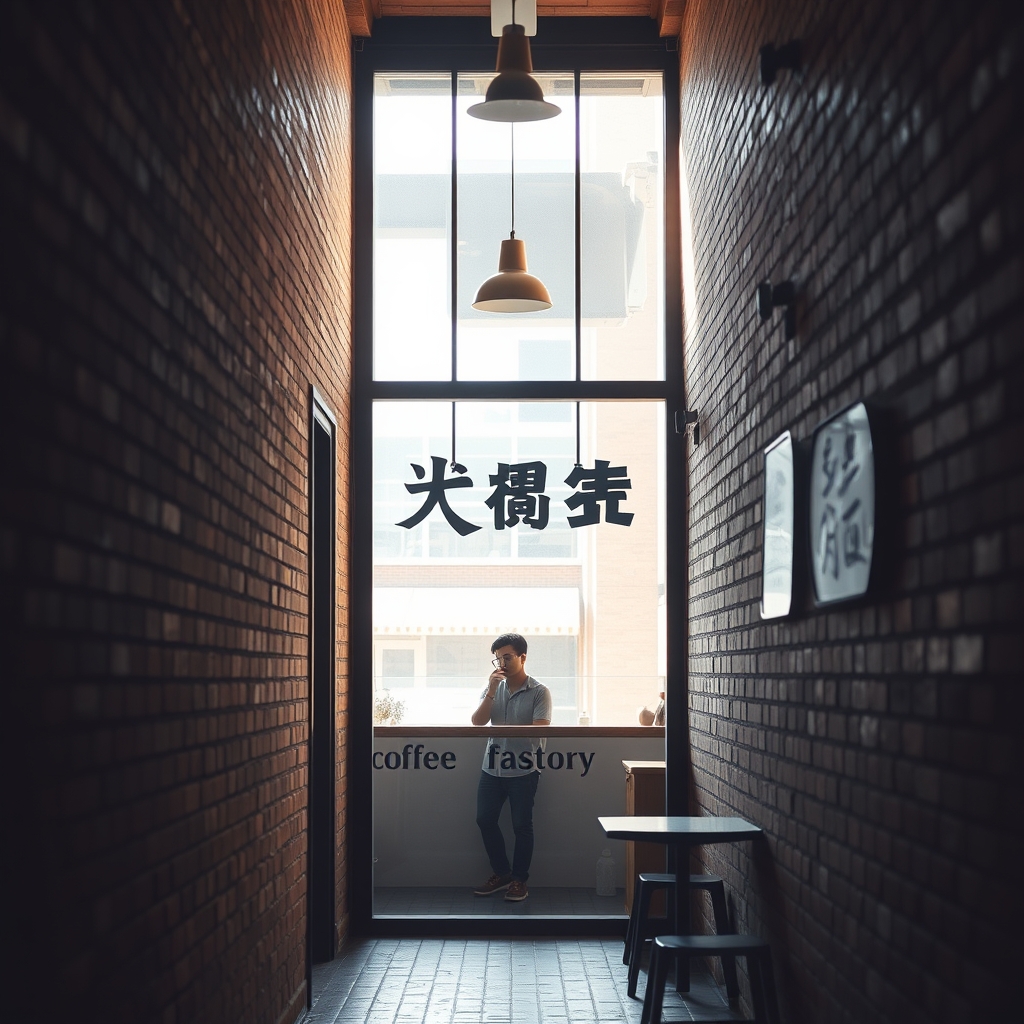
Dongqi Design has renovated three adjacent buildings in downtown Shanghai into a multi‑functional complex that houses retail, exhibition, food‑and‑beverage and office spaces. The three‑story brick‑concrete building on the south side now hosts a leisure ground floor and office levels above, while an 8‑meter‑high former factory accommodates a retail area and a private VIP room. A single‑story brick‑concrete structure on the north side serves as a catering venue. The intervention blends heritage materials with contemporary interiors, creating a seamless flow between public commerce and private work.
Adaptive reuse and the new urban rhythm
The project foregrounds a structural tension between preserving historic façades and meeting the efficiency demands of modern commerce. By retaining the raw texture of exposed brick and the rhythm of the original factory's high ceiling, Dongqi preserves the site's industrial memory, yet inserts sleek partitions and flexible floor plates that enable swift tenant turnover. This duality reflects Shanghai's broader shift toward mixed‑use districts that value both cultural continuity and economic agility.
Rather than imposing a single program, the designers respect the original hierarchy of the three volumes. The street‑facing building invites casual visitors with its leisure lounge, while the upper floors reward focused work. The factory's lofty space becomes a retail promenade that culminates in an exclusive VIP room, and the north‑side structure offers a quiet catering enclave. This segmentation mirrors the way factories once organized production zones, now repurposed for contemporary social circuits.
Inside, the faint hum of street traffic filters through cracked brick walls, and the scent of fresh espresso drifts from the café tucked behind a glass wall. A visitor lingered at the threshold of the VIP room, adjusting his coat, uncertain whether to cross the threshold. That moment of hesitation underscores how the design negotiates public invitation and private reservation.
In a single, luminous sweep, morning light spills across reclaimed concrete, casting soft shadows that animate the space without overwhelming it—a restrained poetic gesture that honors material honesty.
It matters because it shows how adaptive reuse can reconcile heritage with contemporary urban demands.
As Shanghai continues to rewrite its skyline, projects like this illustrate a cultural turn toward spaces that are simultaneously historic, functional, and socially resonant, offering a template for cities worldwide.
The complex stands as a quiet testament to the possibility of weaving past and present into a single, lived experience.