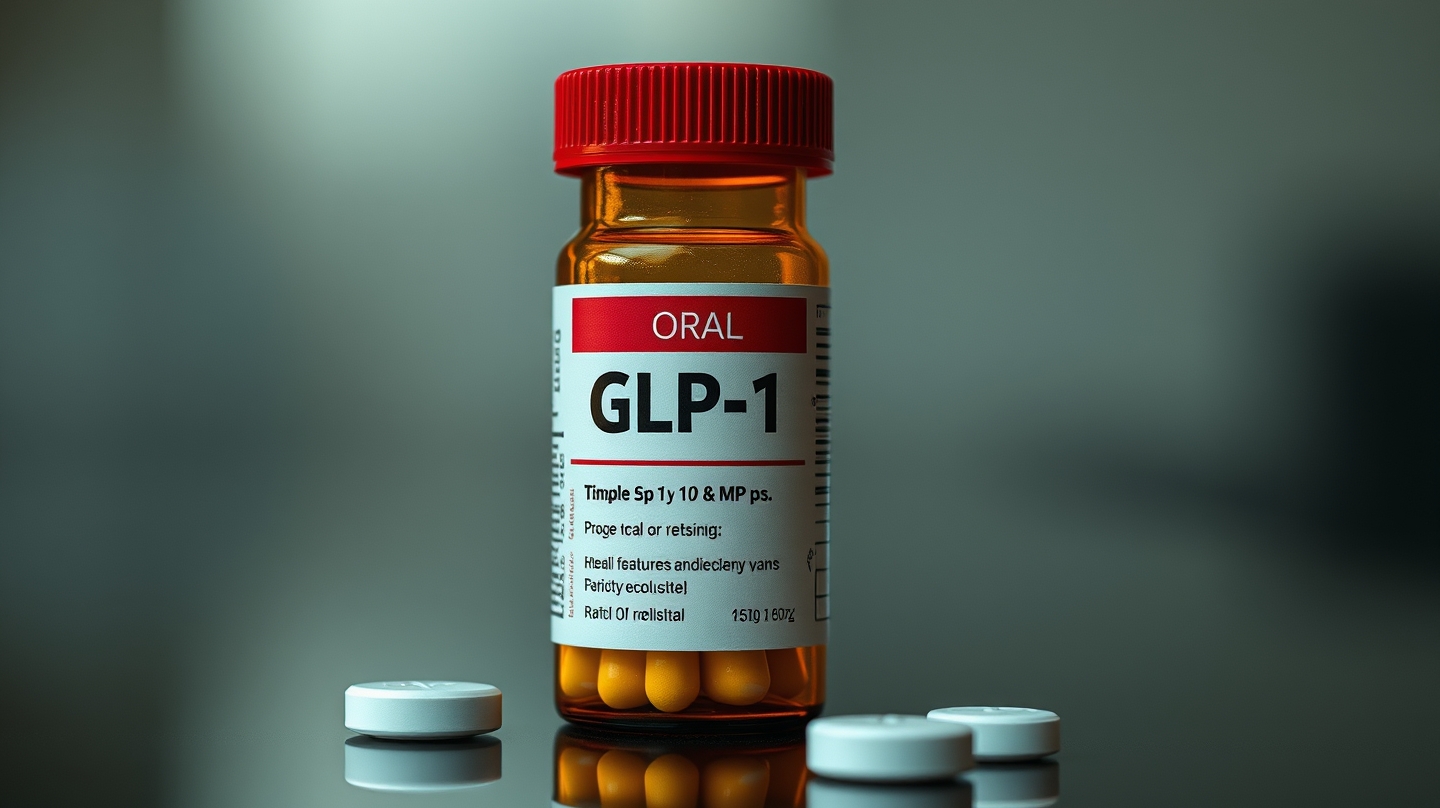
When a pill can trim a patient’s weight by 12 percent in under a year, the story reads like a medical breakthrough and a manufacturing overhaul in one breath. The phase‑II trial of aleniglipron, an oral GLP‑1 small‑molecule drug, delivered that exact result, challenging the injection‑only paradigm that has dominated obesity treatment since semaglutide entered the market.
Researchers at Northwestern Medicine enrolled 230 adults with obesity or overweight across 38 U.S. centers. Participants received daily doses of 45, 90 or 120 mg of aleniglipron, or a placebo, for 36 weeks. By the study’s end, the highest dose produced an average 12.1 percent reduction in body weight, compared with a negligible 0.5 percent loss in the placebo group. Gastrointestinal side effects were mild and tapered off, and no new safety signals emerged.
The significance extends beyond the numbers. GLP‑1 drugs work by mimicking a gut hormone that curbs appetite and boosts satiety. Until now, they have been peptide‑based injectables—Ozempic and Wegovy being the most familiar. Those formulations require refrigeration, skilled administration, and complex peptide synthesis, creating bottlenecks in supply and limiting access for many patients.
Aleniglipron’s small‑molecule chemistry changes the equation. Small molecules are chemically synthesized, a process that scales more predictably and can be integrated into existing pharmaceutical automation lines. The pill can be taken with or without food, stored at room temperature, and potentially combined with other oral therapies. This shift promises a more resilient supply chain, lower production costs, and a reduction in the logistical hurdles that have kept many patients from receiving effective treatment.
From a technology‑adoption perspective, the drug illustrates how automation in chemical manufacturing can accelerate the rollout of therapies that previously depended on biologics. The industry is already seeing a wave of continuous‑flow reactors and AI‑driven process optimization that cut batch‑to‑batch variability. Aleniglipron could become a case study for how such tools translate into faster, cheaper drug availability.
Real‑world implications are immediate. Patients who struggle with injections—whether due to needle phobia, limited mobility, or lack of refrigeration—gain a viable alternative. Health systems may see reduced inventory complexity, as a single tablet replaces multiple vial and syringe stocks. Moreover, the broader obesity epidemic, which affects roughly 42 percent of U.S. adults, could see a new lever for public‑health initiatives that rely on scalable, low‑cost interventions.
The trial also underscores a trend toward oral biologic mimetics, a space where tech firms are increasingly investing. Companies like Meta have announced platforms that use AI to model drug‑target interactions, potentially speeding discovery of small‑molecule analogues for peptide hormones. While Meta is not a partner in the aleniglipron study, its broader push into health‑tech data pipelines reflects an industry‑wide convergence of digital automation and pharmaceutical R&D.
Looking ahead, a phase‑III trial will test longer‑term efficacy and safety, and regulators will evaluate whether the convenience of a pill outweighs any residual risks. If approved, aleniglipron could reshape prescribing habits, prompting clinicians to consider oral GLP‑1 therapy as first‑line for eligible patients, and prompting insurers to reassess coverage models that currently favor injectable products.
In sum, the aleniglipron results mark a tangible step toward democratizing obesity treatment through technology‑driven manufacturing and delivery. The outcome is a clearer path for patients, a more automated production landscape, and a signal that the next wave of weight‑loss medicines may arrive in a bottle rather than a syringe.