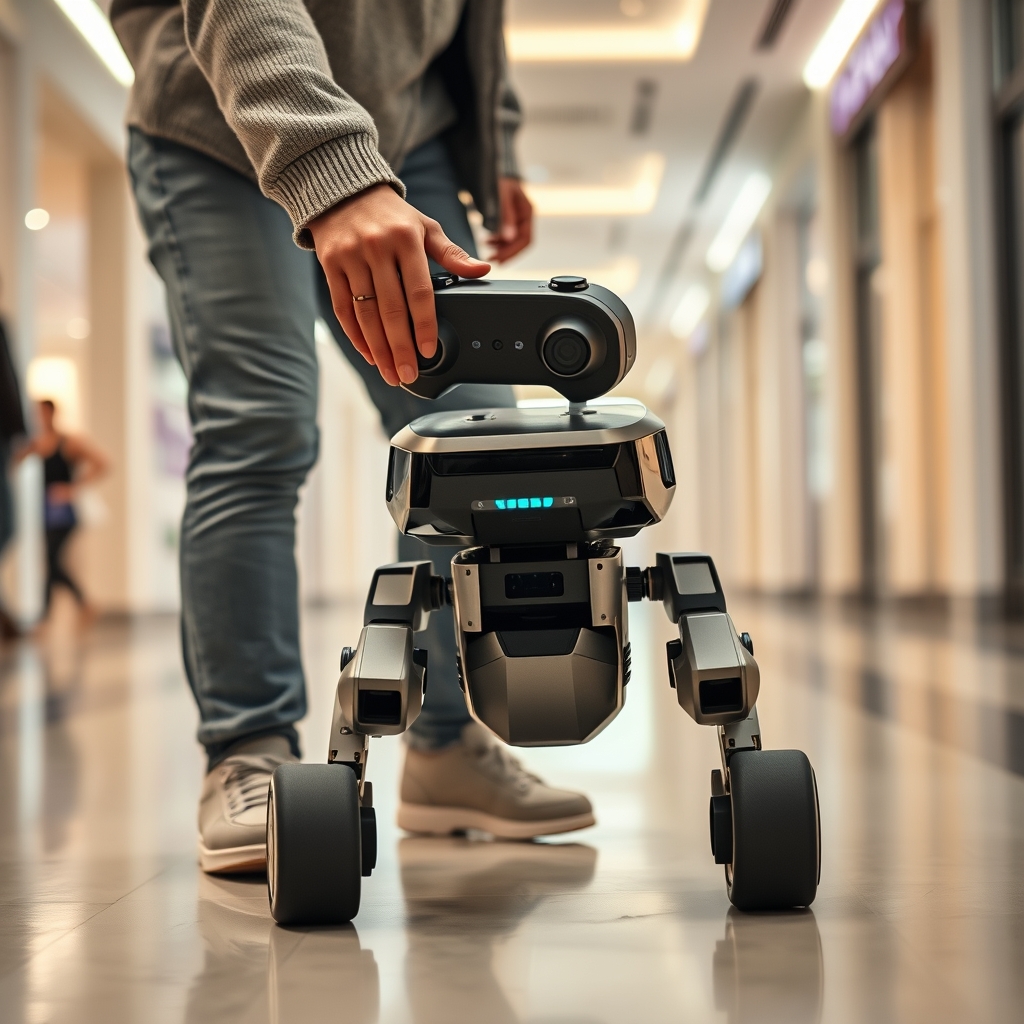
Hands‑on robot encounters reshape everyday comfort
In the summer of 2025 the RAI Institute turned a corner of CambridgeSide mall into a temporary robotics lab where anyone could sit in a custom‑built controller and steer Spot, the agile quadruped that has become a familiar face in industrial demos. Over ten thousand visitors pressed the large, tactile buttons, heard the quiet whir of servos adjusting to tight corridors, and felt the cool metal of the robot's leg pads under their fingertips. A nine‑year‑old paused, thumb hovering over the forward button, then lowered the joystick with a tentative smile, deciding whether to guide Spot over a low barrier.
From observation to agency
The experiment revealed a structural tension between autonomy and human control: while Spot can navigate obstacles on its own, the sense of agency granted to users dramatically increased their trust. This shift from passive observation to active participation reframes robot acceptance as a matter of personal empowerment rather than technological spectacle.
Why the experience matters
Understanding how people react to robots in everyday settings is essential for their future integration into homes and workplaces. The data showed comfort scores rise across factory, home, hospital, office, and disaster scenarios after a few minutes behind the joystick, especially where baseline skepticism was highest. The increase was not limited to the scenario they drove through; participants also rated unrelated contexts as more suitable, suggesting a broader re‑calibration of perceived robot capability.
Broader cultural currents
This pop‑up aligns with a wider movement toward experiential learning in consumer culture, where brands invite users to test products directly rather than rely on curated media. By situating advanced robotics in a public mall, the institute tapped into the democratization of technology, turning a high‑tech showcase into a communal, tactile encounter.
The study also highlighted persistent gender gaps—men entered with higher comfort—but the hands‑on session narrowed the divide, illustrating how inclusive design of interfaces can mitigate bias. Age differences persisted in factory settings, yet younger visitors showed the strongest gains in office comfort, hinting at generational openness to collaborative machines.
Beyond the numbers, the most vivid memories recorded were the robot's "dog‑like" gait and the surprise of its smooth tilt, moments that sparked genuine excitement rather than distant curiosity.
As robotics move from labs to living rooms, the lesson is clear: giving people a moment of control can turn uncertainty into enthusiasm, paving the way for smoother adoption in daily life.
Future installations that blend expert dialogue with tactile interaction could deepen these shifts, turning curiosity into lasting confidence.
In a world where technology increasingly shares our spaces, the quality of that first touch may decide whether robots become partners or curiosities.