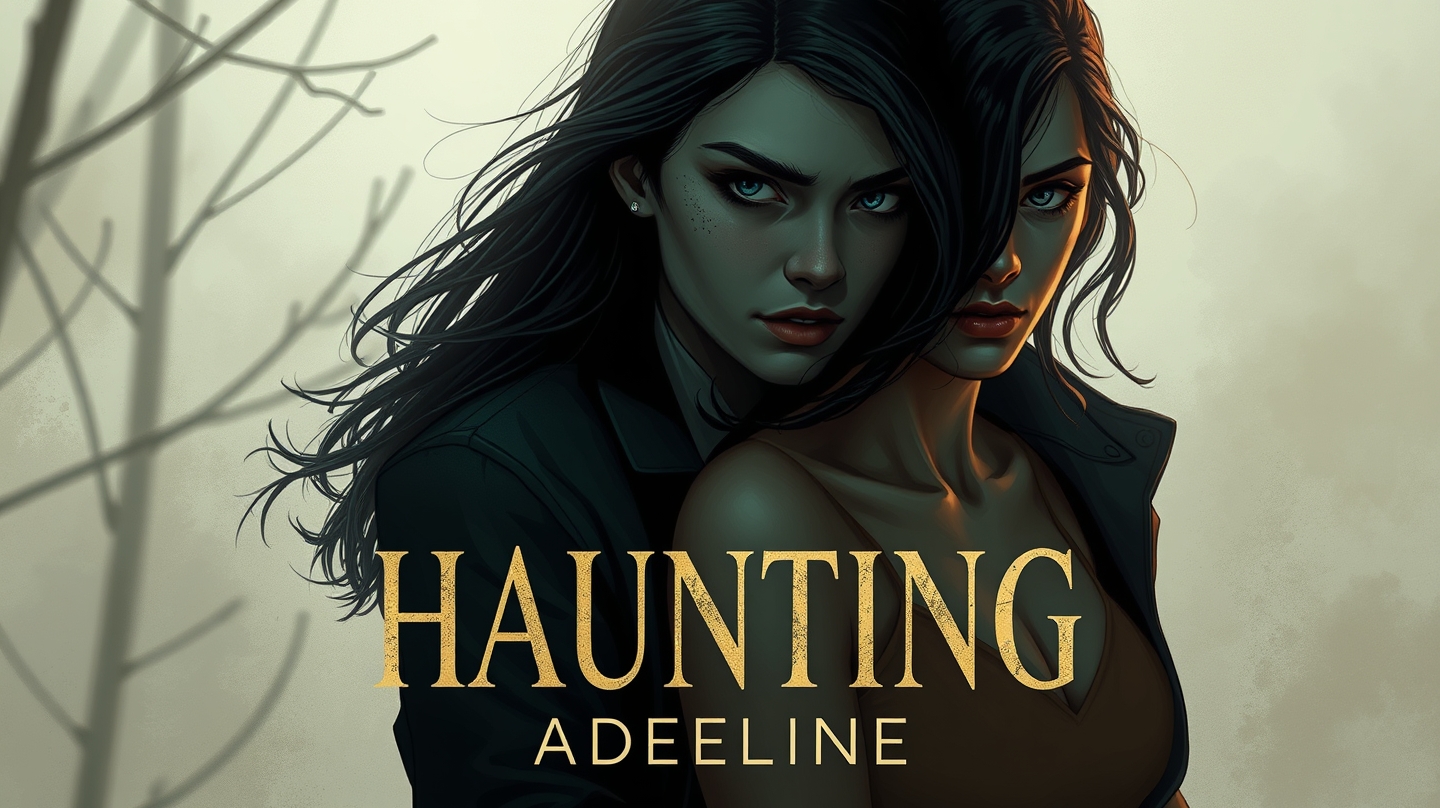
When a self‑published dark romance jumps from a Kindle page to a comic‑book stall, the industry takes notice. H.D. Carlton’s bestseller Haunting Adeline is slated to debut as a comic series in early 2027, followed by collected graphic‑novel editions, a move that blends traditional narrative with the efficiencies of digital production.
The project is being shepherded by Deviant Ink Publishing, a niche house that specializes in romance‑focused illustrated formats. Blackstone Publishing, present at San Diego Comic‑Con for the announcement, will handle distribution to comic‑book shops and mainstream bookstores. Carlton told Variety, “Seeing Zade and Addie walk the panels of a comic feels like a natural evolution for the story, and the fans deserve a visual experience that matches the novel’s intensity.”
Beyond the excitement of new artwork, the adaptation illustrates a broader transition from conventional print to digitally driven publishing pipelines. Deviant Ink relies on a cloud‑based art‑management system that streamlines penciling, in‑king, and lettering—processes that once required multiple physical hand‑offs. Automation tools, including AI‑assisted color grading, reduce turnaround time and allow creators to iterate faster, a shift that aligns with the industry’s move toward technology‑enabled workflow transformation.
The timing is significant. Earlier this year, the BookTok community sparked a heated debate over a planned film adaptation of Haunting Adeline, questioning the handling of its stalker‑romance themes. That conversation amplified the novel’s visibility on platforms like Amazon, where sales data confirmed a surge in both ebook and print‑on‑demand orders. The graphic‑novel venture leverages that momentum, offering a product that satisfies collectors, adult readers, and the visual‑culture audience that frequents conventions.
From a market perspective, the shift reflects a pattern where successful prose titles are repurposed for sequential art to capture new revenue streams. Publishers can reuse existing IP while tapping into the comic‑book market’s higher average transaction value. For retailers, the dual‑format strategy means shelf space for both single‑issue releases and trade‑paperback collections, extending the title’s lifecycle beyond the typical novel release window.
Industry analysts note that such cross‑media adaptations are increasingly supported by digital infrastructure. Automated layout engines, cloud‑based asset libraries, and real‑time collaboration platforms reduce the need for large physical studios, lowering overhead and accelerating time‑to‑market. This efficiency mirrors broader trends in cinema and television, where post‑production workflows have become heavily software‑centric.
Fans stand to benefit as well. The visual representation of Zade and Addie offers a concrete reference point for cosplay, fan art, and community discussions that have flourished on Instagram and TikTok. Moreover, the collected graphic‑novel editions will reach the broader bookstore market, making the story accessible to readers who prefer traditional shelves over comic‑book kiosks.
While the graphic novel is set to launch, the film adaptation remains “on track,” according to Carlton’s recent Instagram apology to supporters facing backlash. Variety has not received further details, but the simultaneous development of multiple formats suggests a coordinated effort to maximize the property’s cultural footprint.
In sum, the upcoming Haunting Adeline comic series is more than a fan service; it exemplifies how digital automation and platform‑driven audience engagement are reshaping the publishing landscape. As creators, distributors, and readers adapt, the line between prose and visual storytelling continues to blur, heralding a new era of multi‑format narratives.