When a routine health check uncovers a silent threat to the brain, the stakes feel suddenly personal.
A four‑year longitudinal study led by Lund University has found that nearly 50 % of dementia cases can be traced to risk factors people can change—smoking, high blood pressure, cardiovascular disease and elevated blood lipids. By tracking almost 500 cognitively healthy adults around age 65, researchers mapped how these habits accelerate damage to the brain’s white‑matter pathways and, in some cases, hasten the buildup of Alzheimer‑related proteins.
“Most existing research treats dementia as a single entity and ignores how lifestyle influences its distinct biological pathways,” says Sebastian Palmqvist, senior lecturer in neurology at Lund University and physician at Skåne University Hospital. “Our data show that modifiable risks are not just statistical odds; they are directly tied to the vascular and protein‑based changes that underlie the two most common dementia forms.”
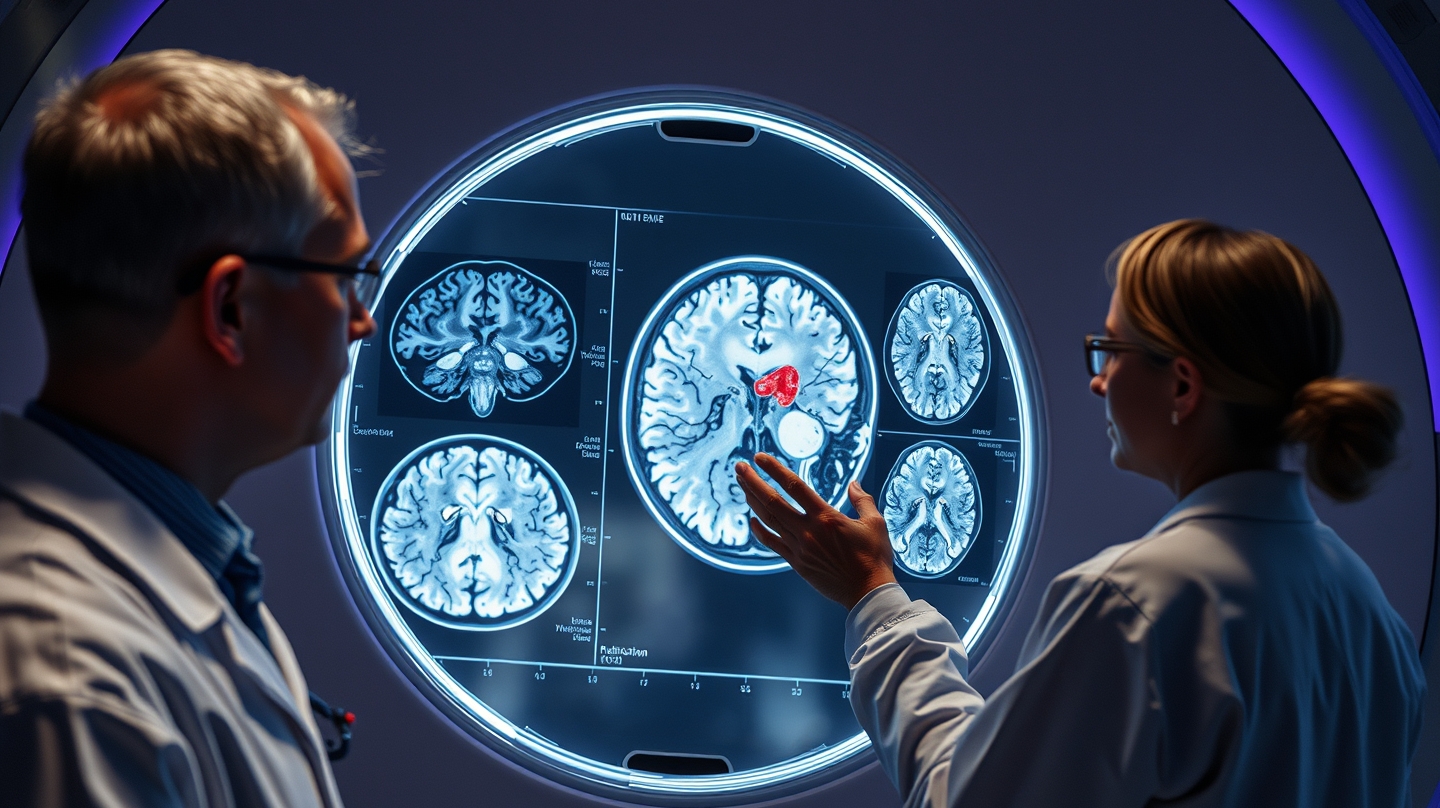
The study measured white‑matter integrity with diffusion MRI, while also quantifying amyloid‑β and tau proteins in cerebrospinal fluid. Participants who smoked, had hypertension, or carried high cholesterol exhibited faster white‑matter degeneration—a hallmark of vascular dementia. Diabetes correlated with higher amyloid‑β accumulation, and surprisingly, lower body‑mass index was linked to quicker tau buildup.
These findings matter because they translate abstract epidemiology into concrete brain‑level mechanisms. Public‑health officials can now argue that reducing smoking rates or improving blood‑pressure control does more than lower heart‑attack risk; it directly preserves the brain’s microvascular network.
Beyond the clinical message, the research underscores a growing reliance on technology to decode neurodegeneration. Automated MRI analysis pipelines, powered by machine‑learning algorithms, allowed the team to process thousands of imaging slices with reproducible precision. Such automation shortens the gap between data collection and insight, enabling clinicians to flag at‑risk patients before cognitive symptoms appear.
In practice, this could reshape how hospitals and insurers deploy preventive care. Imagine an AI‑driven dashboard that integrates a patient’s blood‑pressure logs, lipid panel, and smoking status, then cross‑references these inputs with longitudinal imaging biomarkers to generate a personalized dementia‑risk score. Early‑stage interventions—dietary counseling, antihypertensive therapy, smoking‑cessation programs—could be targeted where they will have the greatest impact on brain health.
The ripple effect reaches industries beyond medicine. The National Football League, for example, has invested heavily in concussion monitoring technologies and is now exploring vascular‑health screening for retired players. By applying the same automated imaging tools used in the Lund study, the NFL could identify former athletes whose white‑matter integrity is compromised, offering tailored rehabilitation and potentially reducing dementia incidence among its alumni.
From a policy perspective, the study bolsters calls for integrated health‑tech infrastructure. Governments that fund electronic health‑record interoperability and support AI‑based diagnostic tools will likely see downstream savings in long‑term care costs. Conversely, regions that lag in digital health adoption may face a growing burden of preventable dementia cases.
While the research stops short of prescribing a single solution, it provides a clear roadmap: combine lifestyle modification with technology‑enabled monitoring to attack dementia on two fronts—behavioral and biological. As the population ages, such a dual strategy could shift the disease curve, turning what has been a largely irreversible condition into a preventable public‑health challenge.
For individuals, the message is straightforward. Regular exercise, a balanced diet, blood‑pressure management, and quitting smoking are no longer abstract advice; they are interventions that protect the brain’s wiring and may delay the onset of dementia by years.