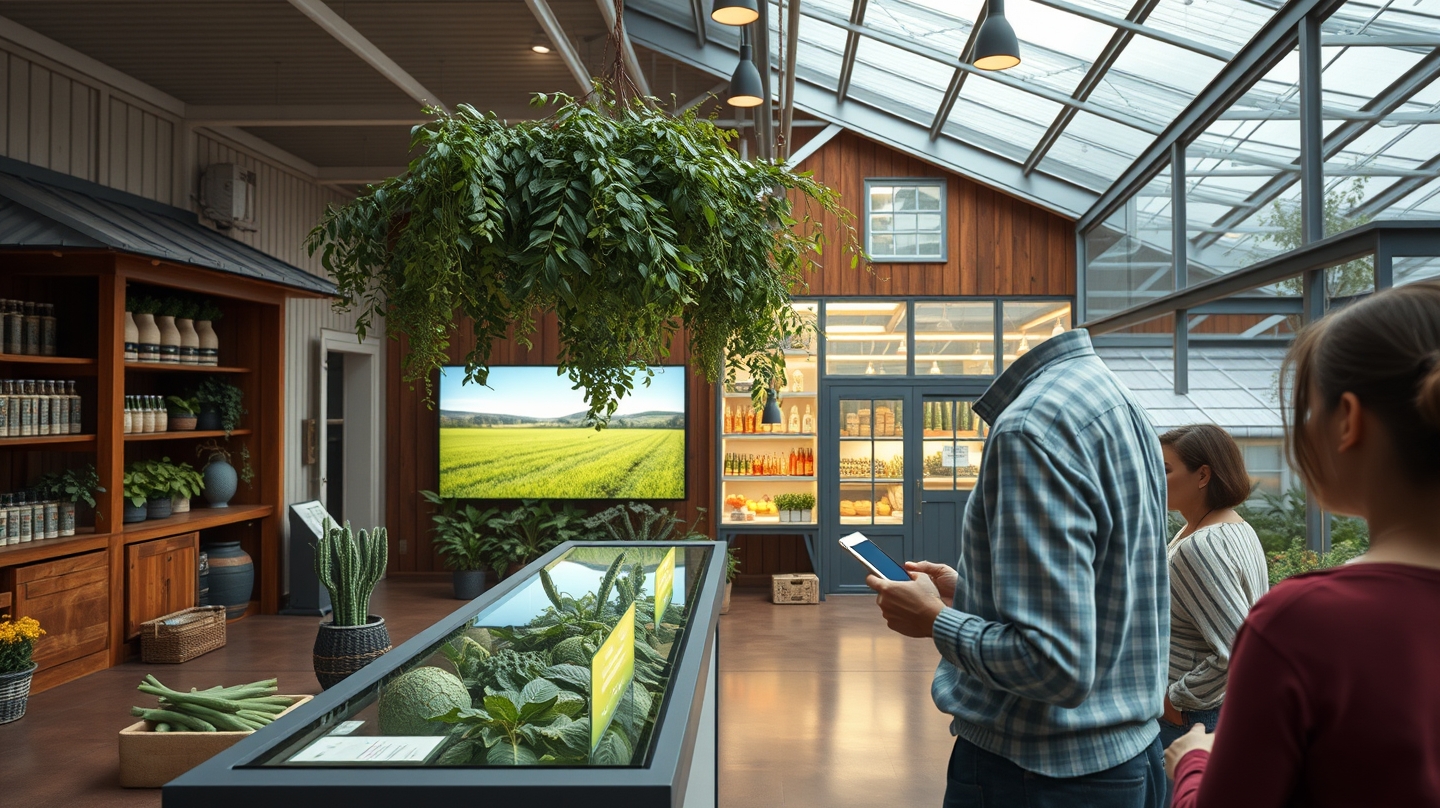
When a city dweller books a night in a renovated barn, they expect more than a rustic backdrop—they expect Wi‑Fi, interactive farm tours, and a seamless checkout that feels as modern as a downtown hotel. The tension between heritage and high‑tech service is driving a quiet revolution in how rural spaces are designed, and the stakes extend far beyond aesthetics.
Agritourism, once described by the USDA as any activity that brings a visitor to a working farm, has outgrown the label of “supplementary tourism.” Post‑COVID curiosity about food origins and nature immersion has turned farm stays, distillery tastings, and coastal fishing excursions into a multi‑billion‑dollar sector. Yet architects still treat these projects as retrofits of barns or extensions of hotels, missing the distinct economic logic and spatial choreography that separate production from hospitality.
Technology is the catalyst that forces a new typology. Internet‑of‑Things sensors monitor soil moisture and livestock health while simultaneously feeding real‑time data to guest‑facing dashboards. Automated booking engines, powered by AI, match visitor preferences with seasonal farm activities, reducing staffing bottlenecks. Even the media infrastructure—high‑definition live streams of harvests, augmented‑reality tours of vineyards, and on‑site digital storytelling walls—requires dedicated wiring, acoustic zoning, and climate‑controlled display rooms that traditional farm buildings were never designed to host.
These digital layers demand a re‑thinking of circulation and programmatic hierarchy. New agritourism prototypes feature a clear split between “production core” (restricted, sensor‑rich zones) and “experience envelope” (public galleries, tasting rooms, overnight suites). Flexible partitions allow a dairy barn to morph into a pop‑up cheese‑making workshop in the afternoon, then revert to a quiet guest lounge at night. Structural engineers are also integrating renewable energy micro‑grids that power both farm equipment and guest amenities, creating a unified performance metric that blends agricultural yield with occupancy rates.
Spain’s interior provinces illustrate the economic ripple effect. The region once labeled “España Vacía” has seen rural tourism account for 11.9 % of national tourism spend in 2023, according to a CaixaBank study—a rise that outpaces overall tourism growth. Villages that once faced school closures are now repurposing abandoned stone houses into smart guesthouses equipped with solar panels and automated climate control, attracting remote workers and weekend travelers alike.
This shift mirrors broader market trends. Urban consumers, fatigued by pandemic lockdowns, are channeling discretionary spending into experiences that promise authenticity and connectivity. Simultaneously, rural municipalities are leveraging tax incentives and broadband grants to attract tech‑savvy operators who can blend agronomy with hospitality. The result is a feedback loop: higher visitor volumes fund further digital upgrades, which in turn draw more guests.
Real‑world implications are already visible. Local governments are revising zoning codes to allow mixed‑use “farm‑hotel” parcels, while insurance providers are developing risk models that consider both agricultural loss and hospitality liability. Investment firms are launching funds specifically targeting “agritech hospitality” startups, signaling confidence that the sector can sustain long‑term, technology‑driven growth.
For architects, the message is clear: agritourism is no longer an add‑on; it is a distinct built environment category that requires its own design language, performance standards, and collaborative workflow between agronomists, technologists, and hospitality consultants. Treating it as such will unlock new revenue streams for struggling rural economies and set a template for other hybrid sectors emerging in the digital age.