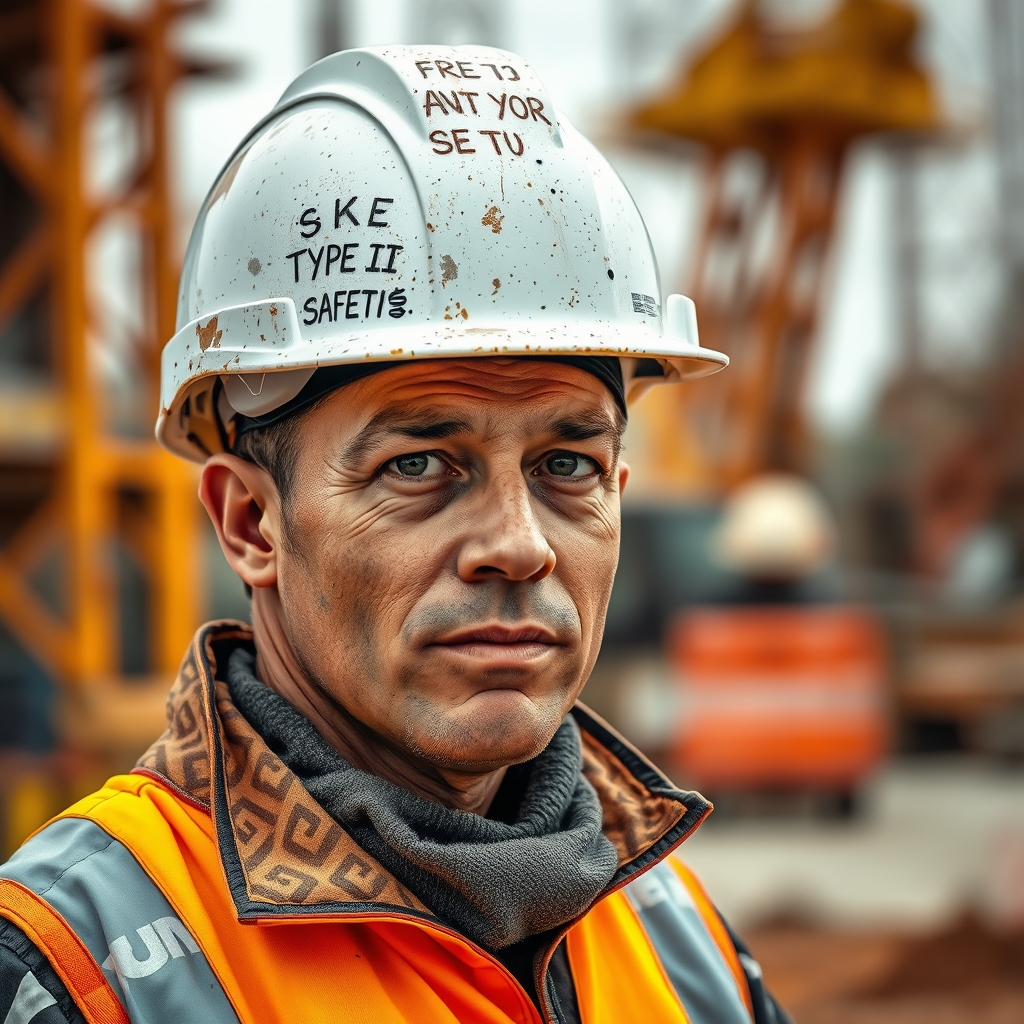
When a Maryland contractor swapped a $15 hard hat for a $100 safety helmet, the decision sparked a debate that now reaches a university lab and a nonprofit safety institute. The pilot, funded by the Job‑Site Safety Institute (JSI) and run by North Carolina State University, asks a simple yet urgent question: will upgraded Type II helmets become the new standard on construction sites?
Comer Construction, a Forest Hill‑based firm that handles subdivision work for both commercial and residential projects, is the first participant. Under the grant awarded to NC State, the company will field‑test Type II helmets—hard hats equipped with chin straps that protect the top and sides of the head—against the traditional Type I hard hats that shield only the crown. Researchers will track practical considerations such as comfort, fit, and the time required for workers to don and adjust the gear, while also measuring any reduction in head‑injury incidents.
Type II helmets are not a brand‑new invention, but they have remained largely invisible to the residential construction sector. A prior NC State study, also funded by JSI, found that most workers could not differentiate between the two helmet classes. "The finding was that workers were largely not aware of the distinction between Type I and Type II safety helmets," said Alex Albert, associate professor of civil, construction and environmental engineering at NC State. This knowledge gap, combined with the higher price tag—often exceeding $100 per unit—has kept many small firms anchored to inexpensive hard hats.
Advocates argue that the added cost is justified by the potential to prevent traumatic brain injuries, which claim roughly 200 construction workers’ lives each year in the United States. Research from Virginia Tech indicates that Type II helmets can reduce the severity of injuries caused by falls or struck‑by incidents that impact the sides of the head. In the NC State pilot, workers who were educated about the broader protection offered by the chin‑strap design expressed strong willingness to adopt the new helmets, despite the price difference.
"That was a hit," said Susie Comer, president of Comer Construction, after her crew tried the helmets. "Once we understood the safety benefits, it was almost a no‑brainer," she added. Yet the cost remains a hurdle for many. Erik Anderson, vice president of Anderson Moore Kitchen & Bath and chair of JSI’s board, highlighted the disparity: "I wish it were that way in residential," referring to the broader acceptance of advanced helmets in commercial construction.
The pilot’s design incorporates digital data collection tools that log each helmet’s usage, worker feedback, and any incident reports. This workflow mirrors the automation trends reshaping construction management—real‑time safety analytics, cloud‑based compliance dashboards, and AI‑driven risk assessments. By feeding concrete usage data back to manufacturers and insurers, the study could accelerate technology adoption across the fragmented residential market.
Beyond the immediate safety gains, the initiative signals a shift in how the industry balances cost with risk mitigation. Insurers tied to Builders Mutual, the nonprofit that founded JSI in 2014, may soon adjust premiums based on documented helmet performance, creating a financial incentive for broader adoption. Regulators could also look to the pilot’s findings when revising OSHA guidelines, potentially mandating chin‑strap helmets for high‑risk tasks.
For small contractors, the pilot offers a template for integrating safety technology without breaking the budget. JSI’s outreach aims to bundle helmets with training modules and bulk‑purchase discounts, lowering the entry barrier for firms that lack dedicated safety departments. If the pilot demonstrates a clear return on investment—fewer injuries, lower insurance costs, and smoother project timelines—it could catalyze a wave of technology‑driven safety upgrades across the nation’s construction landscape.
In a sector where every dollar counts, the NC State study may prove that a modest upfront expense yields outsized protection, reshaping head‑gear standards and, ultimately, saving lives.