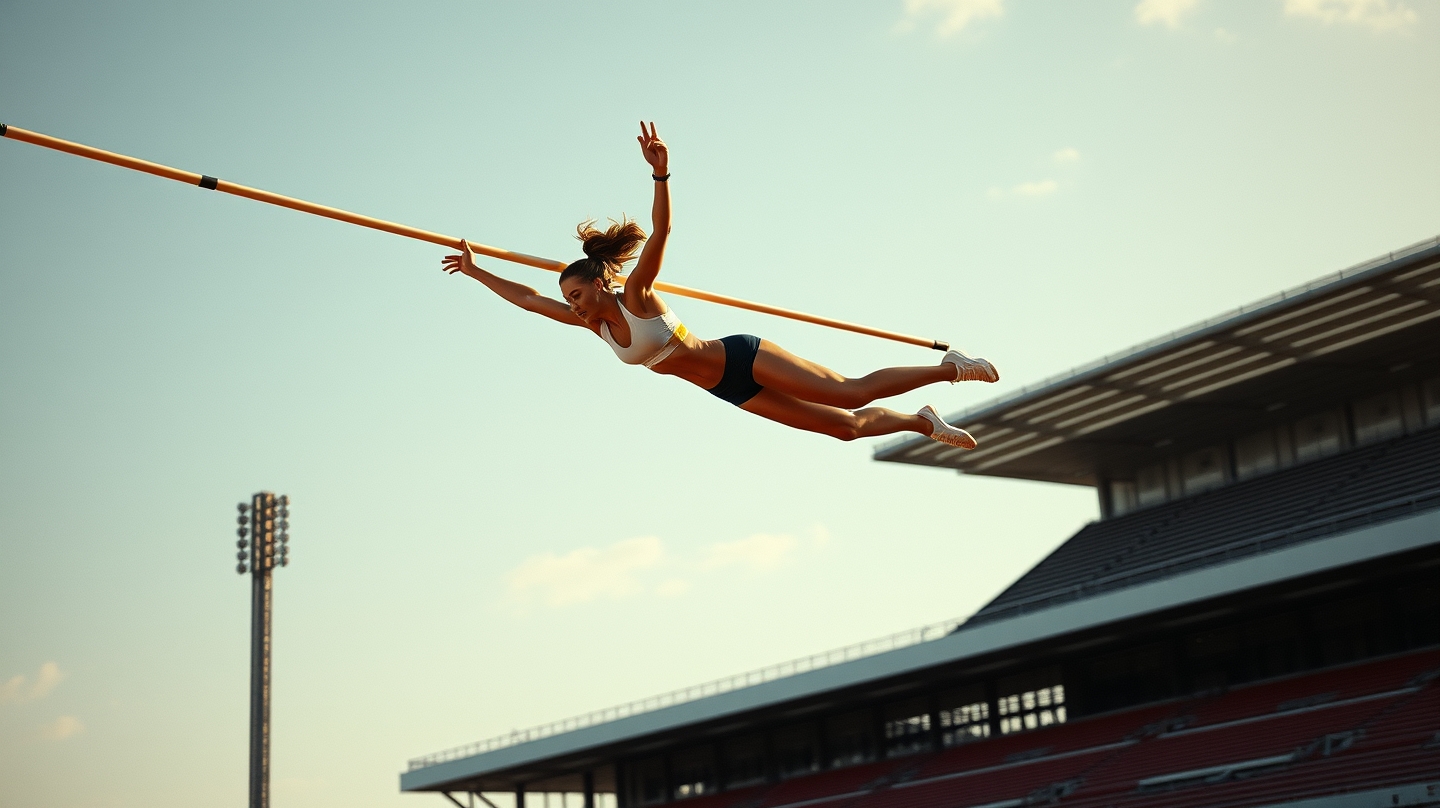
When a pole‑vaulter’s slow‑motion replay turns into a viral clip of an uncomfortable angle, the fallout is more than a fleeting meme – it can trigger real‑world harassment and erode confidence in the sport. That tension sparked the European Broadcasting Union’s (EBU) latest push: a detailed set of do‑and‑don’t camera‑angle guidelines designed to keep the focus on performance, not on bodies.
The guidelines emerged from a series of candid conversations with elite athletes, including British Olympic bronze‑medalist Holly Bradshaw and Serbian long‑jump star Ivana Španović. Both described how low‑angle shots and excessive slow‑motion replays have led to social‑media abuse and, in Španović’s words, “serious long‑term effects on athlete’s mental health.” Their testimonies gave the EBU concrete evidence that broadcast choices can be harmful, not merely aesthetic.
At the heart of the new protocol is a simple principle: avoid camera positions that could sexualise athletes. The document lists specific prohibitions—no low‑angle shots beneath the bar in high‑jump or pole‑vault events, no ultra‑slow motion that isolates a competitor’s body in a compromising pose, and no lingering focus on torso or leg movement when it adds no technical insight. Instead, broadcasters are urged to use wider framing, standard‑speed replays, and angles that highlight technique and competition dynamics.
Why does this matter beyond the locker room? First, it protects athletes from unnecessary scrutiny, reducing the risk of online abuse that can deter participation, especially among young women. Second, it restores credibility to sports coverage; viewers increasingly demand respectful, purpose‑driven visuals rather than sensationalist shots. Finally, the guidelines set a precedent for other sports networks, potentially reshaping global broadcasting standards.
Technology is already playing a role in enforcing these standards. Automated camera‑control systems, powered by AI, can be programmed to recognise prohibited angles and flag them in real time. Production workflows that integrate machine‑learning models can automatically suggest alternative shots, ensuring compliance without slowing down live coverage. This automation not only safeguards athletes but also streamlines the editing process, reducing manual oversight and cutting post‑production time.
Implementation will begin at the European Athletics Championships in Birmingham, slated for 10 August, where BBC Sport—an EBU partner—will apply the new rules. However, the Diamond League, which is broadcast independently of the EBU, is not bound by the same guidance, highlighting a split in industry adoption. The contrast underscores a broader shift: as more broadcasters embed ethical AI tools, leagues that lag may face viewer criticism or pressure from sponsors seeking responsible media practices.
From a structural perspective, the guidelines illustrate a feedback loop between athletes, regulators, and technology providers. Athlete feedback informs policy; policy drives technical specifications; technology enforces policy, creating a self‑reinforcing ecosystem that can evolve as new concerns arise. This loop mirrors larger trends in media where user‑generated data and AI are reshaping editorial standards across platforms.
In practical terms, viewers can expect cleaner, more focused coverage that celebrates skill without unnecessary distraction. Athletes, in turn, gain a safer environment that may improve performance by reducing the mental load of worrying about how they look on screen. Broadcasters benefit from clearer editorial direction and the efficiency gains of automated compliance tools.
The move signals a growing recognition that ethical considerations are inseparable from technical innovation in sports media. As AI‑driven workflows become standard, the industry is likely to see further refinements—such as real‑time sentiment analysis to detect potentially harmful framing—pushing the line between technology adoption and cultural responsibility.