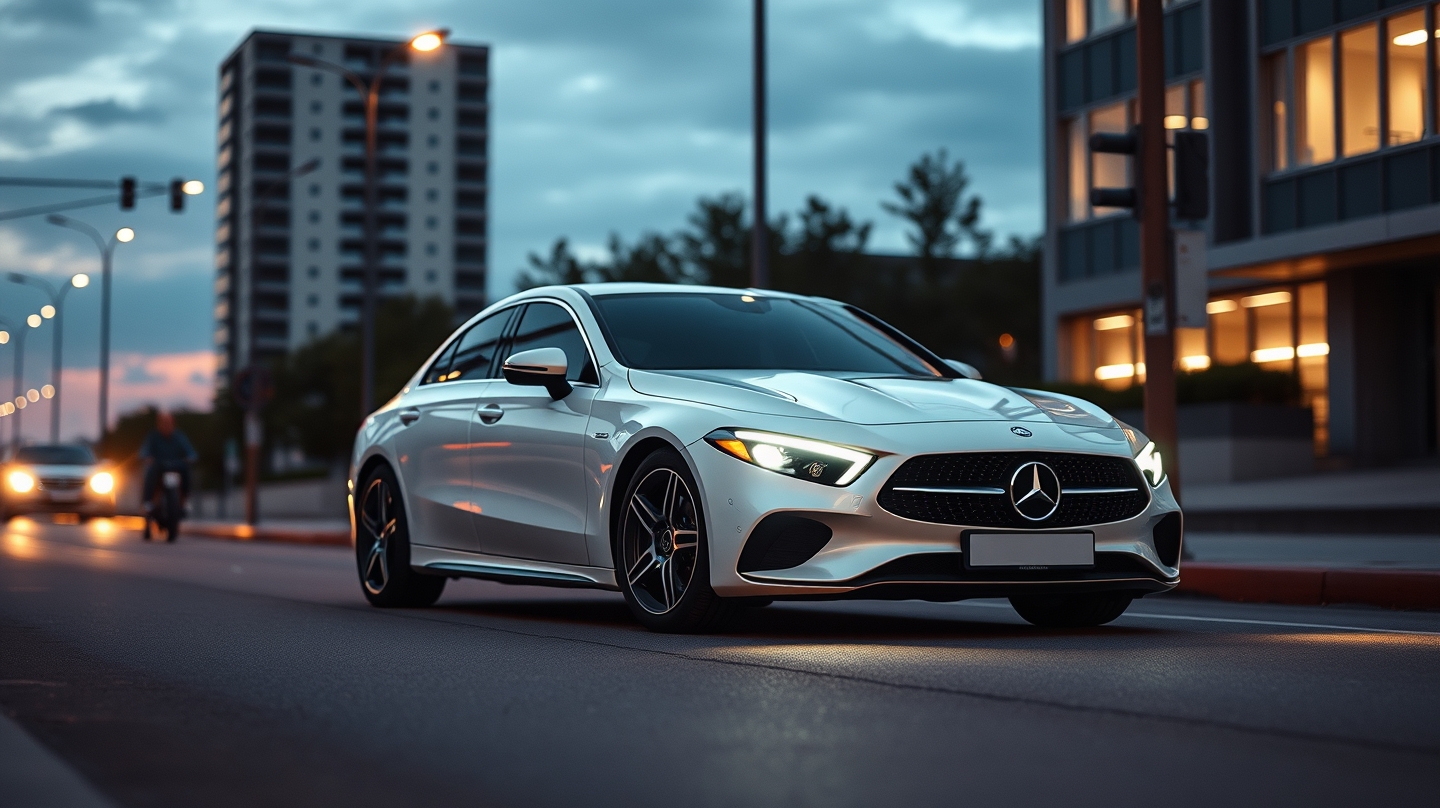
Mercedes‑Benz has turned its long‑standing entry‑level fastback, the CLA, into a fully electric contender for 2026, promising an EPA‑rated 374‑mile range that eclipses many rivals. Yet the model arrives with a cockpit crowded by multiple screens and a rear seat that feels tighter than a compact hatchback, creating a tension between cutting‑edge performance and everyday practicality.
The new CLA‑EV is offered in two trims. The CLA250+ pairs a single 268‑hp rear‑wheel‑drive motor with an unprecedented two‑speed transmission – a feature more common on high‑performance models like the Porsche Taycan – to balance highway efficiency with brisk acceleration. The top‑end CLA350 adds a front motor for all‑wheel drive and 349 hp, shaving the 0‑60 mph sprint to an estimated 4.8 seconds. In real‑world testing, the CLA250+ hit 60 mph in 5.8 seconds, slightly quicker than Mercedes’ own claim.
Beyond raw performance, the CLA‑EV marks Mercedes’ first use of an 800‑volt architecture, a technology that enables up to 320 kW DC fast‑charging. In a controlled test, the vehicle recovered from 10 % to 80 % state of charge in roughly 20 minutes, a speed that rivals Tesla’s Supercharger network and could reshape charging expectations for mid‑range EVs.
What makes the CLA‑EV especially noteworthy is its role in a broader industry transformation. By deploying an 800‑volt platform across a model that historically served as a brand gateway, Mercedes signals that high‑speed charging and extended range are no longer exclusive to premium flagship models. This democratization of advanced battery architecture may accelerate technology adoption across the segment, pressuring competitors such as BMW’s i4 and even Tesla’s Model 3 to push their own engineering limits.
However, the vehicle’s interior design introduces a new set of challenges for technology‑driven media infrastructure. The cabin features an array of digital displays – a digital instrument cluster, a central infotainment screen, and optional rear‑seat entertainment panels – all powered by a high‑bandwidth data bus. While the visual richness enhances driver engagement, it also demands robust software integration and over‑the‑air update capabilities. Automakers and suppliers are therefore compelled to adopt more automated development pipelines, echoing trends seen in media production where automation streamlines content delivery and reduces latency.
From a consumer perspective, the CLA‑EV’s strengths and compromises translate into concrete trade‑offs. Buyers who prioritize range and quick charging will find the 374‑mile EPA estimate and 320 kW capability compelling, especially in markets where fast‑charger networks are expanding. Conversely, families needing spacious rear seating may look elsewhere, as the CLA’s rear legroom remains limited compared with rivals like the Tesla Model 3, which offers a more generous cabin layout.
Pricing has not been disclosed at the time of writing, but Mercedes traditionally positions the CLA as an accessible luxury entry point. If the price aligns with its gasoline predecessor, the electric version could become a catalyst for broader EV adoption among first‑time luxury buyers, nudging the market toward higher average range figures and faster charging standards.
In the context of the automotive sector’s ongoing shift toward electrification, the CLA‑EV illustrates how legacy manufacturers are leveraging new battery architectures to stay competitive. The model’s two‑speed transmission, a rarity in the EV world, may inspire other brands to explore multi‑ratio drivetrains as a means to improve efficiency without sacrificing performance.
Overall, the 2026 Mercedes‑Benz CLA‑Class EV blends impressive range, rapid charging, and a high‑tech interior, but it also underscores the balancing act between innovation and everyday usability. Its arrival could accelerate technology adoption across the sedan market while prompting manufacturers to refine the integration of digital media systems, a development that will likely echo beyond automotive showrooms into the broader realm of automated content delivery.