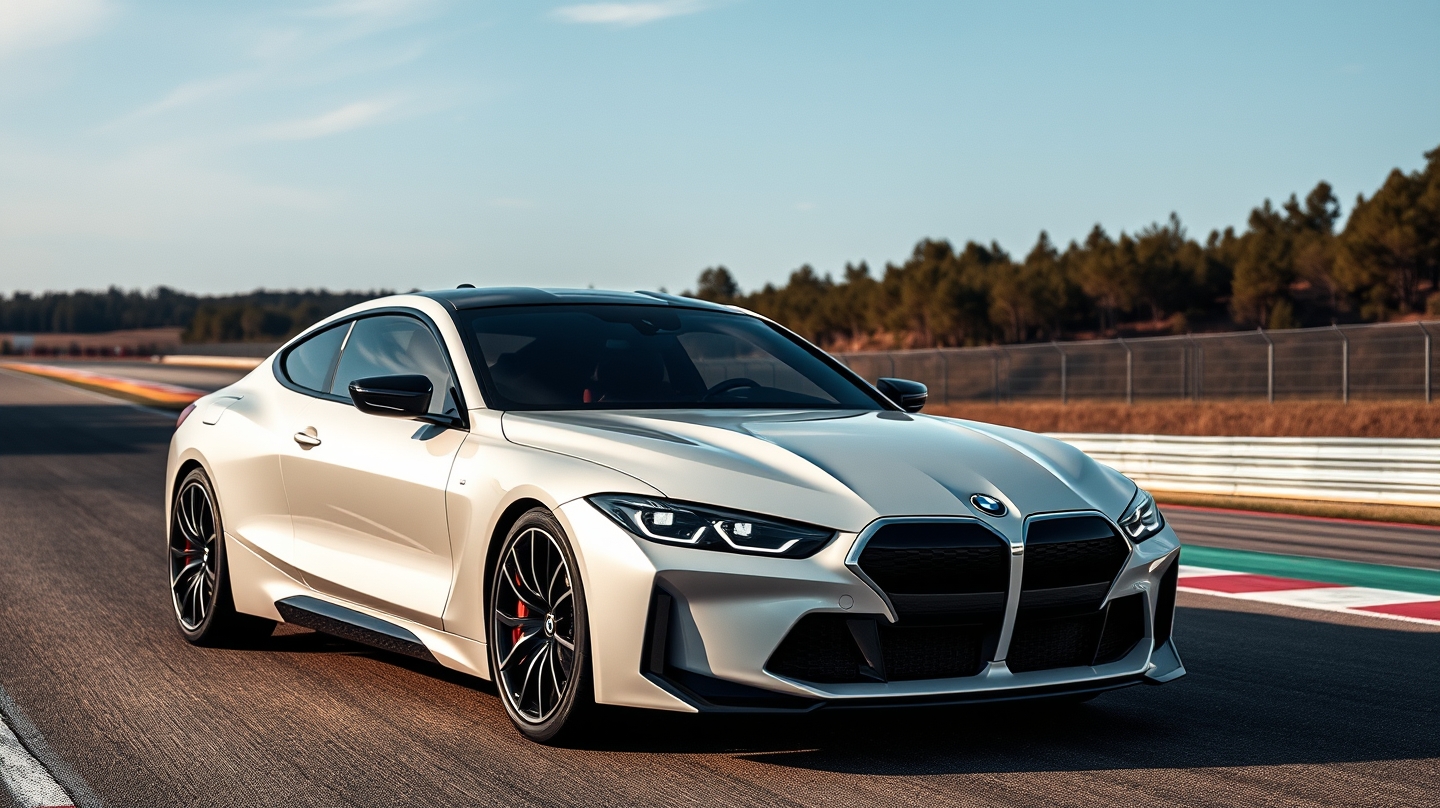
When BMW announced that its iconic M3 will soon run on electricity, the automotive world was split between excitement and skepticism – can a true "M" car retain its legendary feel when the roar of an engine is replaced by silent electric torque? The answer may lie in a blend of high‑voltage architecture, advanced software, and a strategic push toward automation that reaches beyond the garage.
The 2028 BMW M3 EV will sit on the brand’s new 800‑volt platform, a step up from the i3’s pioneering system. Four electric motors deliver all‑wheel drive, with early estimates topping 600 horsepower in the base model and a potential 1,000‑horsepower "CS" trim. While production is slated for 2027, details remain sparse; however, BMW has confirmed a quad‑motor layout, a 20 % increase in battery energy density, and a suite of aerodynamic tweaks that echo the gasoline‑powered M3 slated to arrive first.
Why does this matter? The M3 has long been the benchmark for performance enthusiasts, and its electric incarnation signals a broader industry shift: high‑performance brands are no longer treating EVs as a separate niche but as the next evolution of their core identity. This move forces rivals to accelerate their own performance‑EV programs, reshaping the competitive landscape for sports sedans.
Beyond raw power, the M3 EV showcases BMW’s "Heart of Joy" control unit, an integrated software layer that manages drivetrain dynamics, regenerative braking, charging, and even steering feedback. By centralizing these functions, BMW reduces mechanical complexity and opens the door for over‑the‑air updates—a hallmark of modern, automated vehicle platforms. The result is a car that can evolve after leaving the factory, mirroring how tech companies like Apple continuously refine iOS for iPhone users.
From a structural perspective, the M3 EV’s architecture reflects a modular approach that could streamline production across BMW’s lineup. The same 800‑volt chassis can underpin future models, allowing the company to amortize development costs while delivering differentiated performance through software. This modularity also supports a shift in manufacturing workflows, where robotics and AI‑driven quality checks become standard, reducing human error and shortening time‑to‑market.
Consumers will feel the impact in tangible ways. The vehicle’s 17.9‑inch touchscreen, paired with BMW’s Panoramic Vision heads‑up display, offers a customizable interface that can prioritize performance metrics, navigation, or media—mirroring the personalization trends seen in smartphones. Integration of wireless Apple CarPlay and Android Auto ensures that the car remains a seamless extension of users' digital lives, reinforcing the convergence of automotive and consumer tech ecosystems.
Real‑world implications extend to the aftermarket and media infrastructure. As performance data becomes software‑driven, dealerships and service centers will need automated diagnostic tools to interpret motor performance, battery health, and software versions. Media outlets covering the launch will likely adopt automation in content creation—using data feeds from BMW to generate real‑time specifications tables, thereby reducing manual reporting time.
In the broader context, the M3 EV underscores how legacy automakers are adopting technology‑driven automation to stay relevant. The shift is not just about electrification; it’s about embedding intelligence into every vehicle component, from powertrain to infotainment, and leveraging that intelligence to create new revenue streams through software services.
For buyers who can’t wait for the M3 EV, BMW’s outgoing i4 remains a compelling alternative, offering 592 horsepower and a proven dual‑motor setup. Yet, the anticipation surrounding the M3 EV illustrates a market eager for a performance pedigree that doesn’t compromise on sustainability.
As the automotive sector accelerates toward a fully electric future, the 2028 BMW M3 EV stands as a litmus test for how well performance heritage can merge with automation and software‑centric design. Its success—or lack thereof—will likely influence how other premium brands allocate resources between traditional engineering and digital innovation.