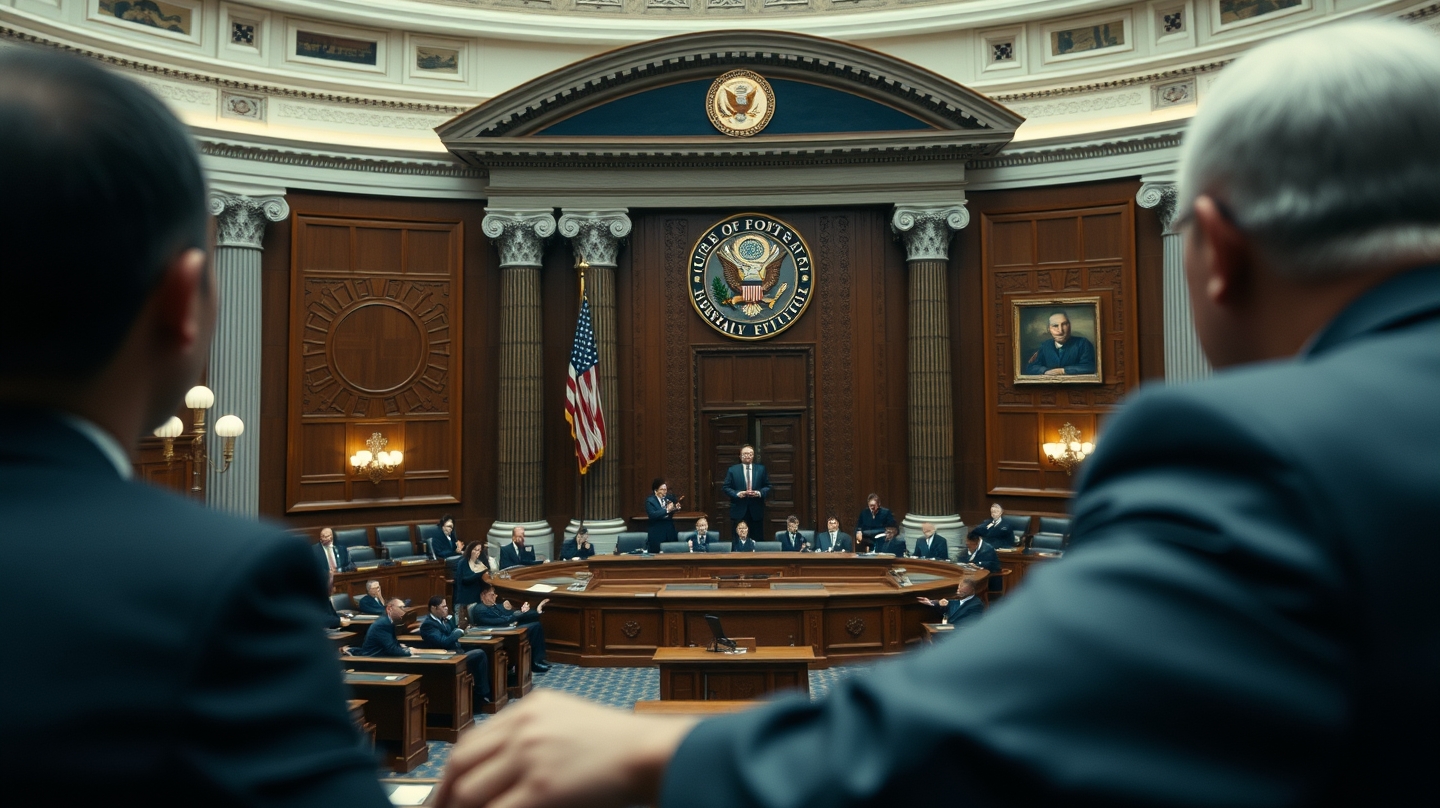
As the Senate chambers empty for a month‑long recess, a quiet urgency builds around a piece of legislation that could define the next chapter of digital assets in the United States.
The Senate is set to enter its summer break in a week, leaving only a narrow window in August to address pending items on its agenda. Among those, the so‑called Clarity bill—intended to provide a clear regulatory framework for cryptocurrencies—has become the most time‑sensitive priority. Lawmakers have signaled that without a vote before the recess, the measure will likely be postponed to the next session, pushing back any formal guidance for months.
Regulatory certainty is more than a bureaucratic concern; it underpins the willingness of banks, hedge funds, and pension managers to allocate capital to crypto‑related products. The absence of a definitive rule set fuels compliance uncertainty, prompting many institutions to pause new investments or, in some cases, withdraw existing exposure. In short, the Senate’s calendar directly influences the flow of institutional money into the market.
Market participants have already begun to react. Over the past few days, major crypto indices have shown modest declines, while futures tied to Bitcoin and Ethereum have experienced heightened volatility. Analysts at several investment firms note that the delay adds a “regulatory risk premium” to pricing models, a factor that could linger even after the bill is eventually debated.
Complicating the picture is a parallel trend toward technology‑driven automation in compliance workflows. Companies are deploying AI‑enabled transaction monitoring and smart‑contract auditing tools that promise to reduce the operational burden of future regulations. If the Clarity bill eventually passes, these automation platforms could accelerate adoption by allowing firms to meet new reporting standards with minimal manual effort, reshaping the compliance landscape.
A structural insight emerges when the legislative timetable is examined alongside market dynamics: the Senate’s recess functions as an implicit lever that can accelerate or stall industry momentum. Historically, periods of legislative inactivity have coincided with short‑term market pullbacks, while the resumption of sessions often sparks renewed trading activity as participants reassess risk.
For the crypto ecosystem, the practical implication is clear. Asset managers are already adjusting capital‑allocation models, diverting a portion of their crypto exposure to private‑placement vehicles that are less dependent on public regulatory clarity. Meanwhile, startups focused on compliance automation are seeing heightened interest from venture capitalists eager to capitalize on a future where regulatory frameworks are enforced through code.
In the coming weeks, the industry will watch not only the Senate’s agenda but also the broader conversation about how technology can bridge the gap between law and practice. Whether the Clarity bill resurfaces after the break or fades into the legislative backlog, the episode underscores how timing, policy, and automation intersect to shape the financial future of digital assets.