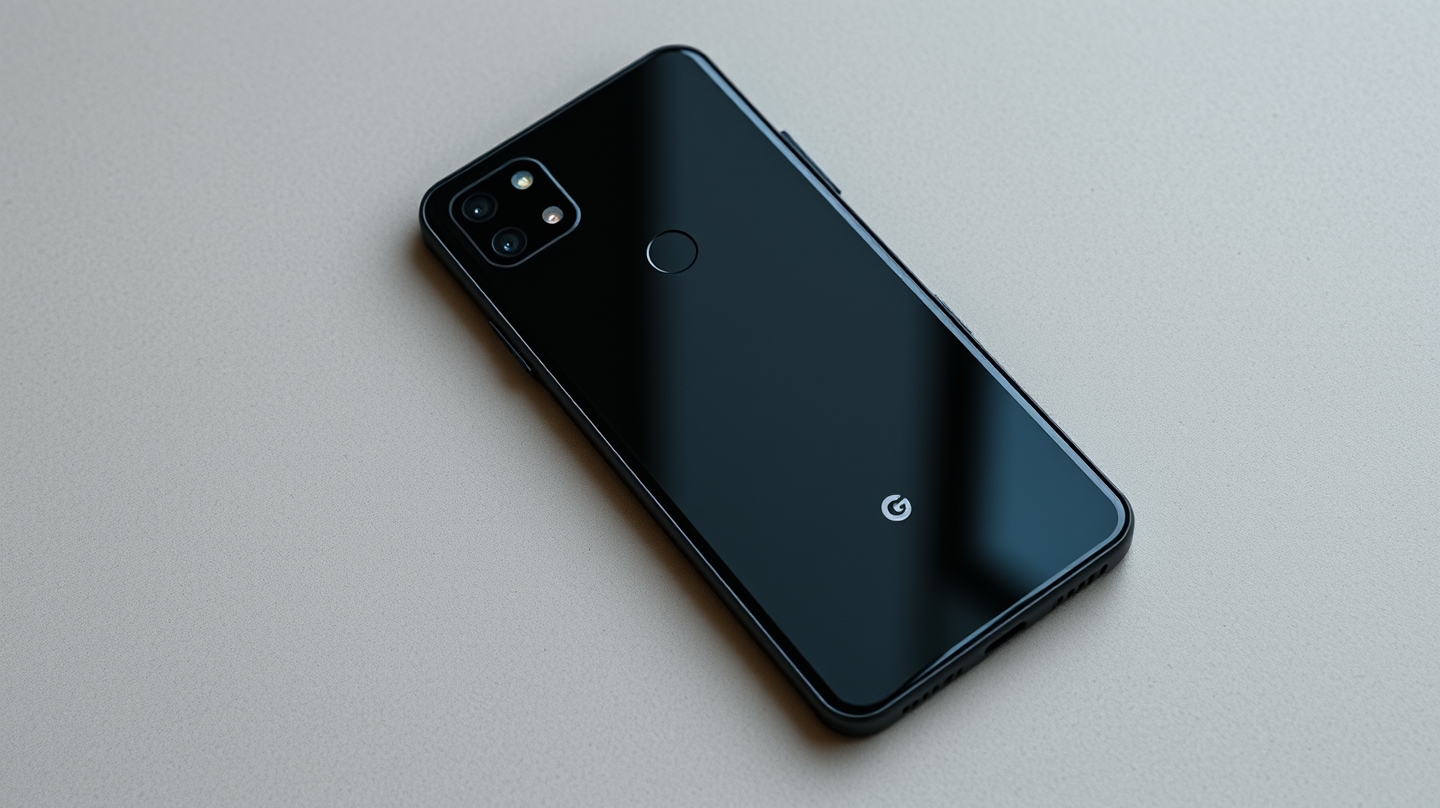
Google’s latest flagship, the Pixel 11, arrives with a new Tensor G6 chip but, surprisingly, fewer gigabytes of RAM and a price tag that tops last year’s model, creating a stark contrast between promised AI features and tangible hardware value.
The four‑model lineup—Pixel 11, Pixel 11 Pro, Pixel 11 Pro XL and Pixel 11 Pro Fold—shares the same Tensor G6 processor and a suite of AI‑enhanced software tools. On the hardware side, the changes are incremental: the standard Pixel 11 gains a 56 % larger main‑camera sensor and 25 W wireless charging, while the Pro’s display gets brighter and its telephoto sensor grows 30 % larger. Yet the most noticeable downgrade is the reduction of baseline RAM from 16 GB to 12 GB on the Pro models, and the removal of the body‑temperature sensor in favor of an LED‑based “Highlight” notification.
Pricing reflects a different story. The entry‑level Pixel 11 now starts at $899, up $100 from its predecessor, while the Pixel 11 Pro begins at $1,099 and the Pro XL at $1,299. The Fold variant also climbs $100 despite retaining the same 256 GB storage baseline. For consumers accustomed to modest annual price hikes, the jump feels disproportionate to the modest hardware evolution.
Google attributes the tighter specifications to a global memory shortage driven by the AI boom. Data‑center workloads are consuming massive volumes of high‑bandwidth LPDDR5X DRAM, prompting memory makers such as Samsung, SK hynix and Micron to allocate more capacity to AI‑focused hardware. TrendForce reported a 78‑83 % quarter‑on‑quarter price surge for LPDDR5X contracts in Q2 2026, while an 8 GB + 256 GB configuration has reportedly risen close to 200 % year‑on‑year. The scarcity forces smartphone makers to trim memory, raise prices, or limit other upgrades.
This dynamic is reshaping product roadmaps across the sector. Companies are increasingly betting on software differentiation—AI‑powered photography, real‑time translation, and on‑device processing—while using hardware as a cost‑containment lever. The trade‑off is evident in the Pixel 11: a more capable AI engine sits on a platform that offers less RAM and no tangible graphics boost, signalling a broader industry pivot toward “software‑first” value propositions.
Alphabet’s stock mirrored the mixed market reaction. Shares nudged up 0.6 % at the opening bell on Wednesday, briefly flirting with a 1 % gain, before reversing to a 0.2 % decline as the broader Nasdaq held steady. Analysts note that the dip is not directly tied to early Pixel 11 reviews but reflects investor caution over a product that asks consumers to pay more for incremental hardware improvements.
For shoppers, the immediate implication is a tighter budget margin for premium smartphones. Higher prices may accelerate migration toward competing ecosystems that still offer comparable hardware at lower cost, or push price‑sensitive buyers to mid‑range devices. In the longer view, the trend could deepen the divide between AI‑centric flagships and traditional hardware‑driven models, influencing everything from carrier subsidies to app‑developer strategies that rely on on‑device AI capabilities.