When COVID‑19 shuttered screens and streaming platforms flooded living rooms, many pundits wrote off the cinema experience as a relic. Yet, as the pandemic waned, a new tension emerged: could the silver‑screen magic survive in a world that now expects instant, digital access?
AMC Entertainment’s chief executive, Adam Aron, believes the answer is a resounding yes—provided the industry embraces both bold content and modern technology. In an op‑ed published this week, Aron outlined a strategic vision that hinges on a proposed merger between Paramount and Warner Bros. Discovery, a move he says would restore scale, deepen content libraries, and fund the automation upgrades that theaters need to stay relevant.
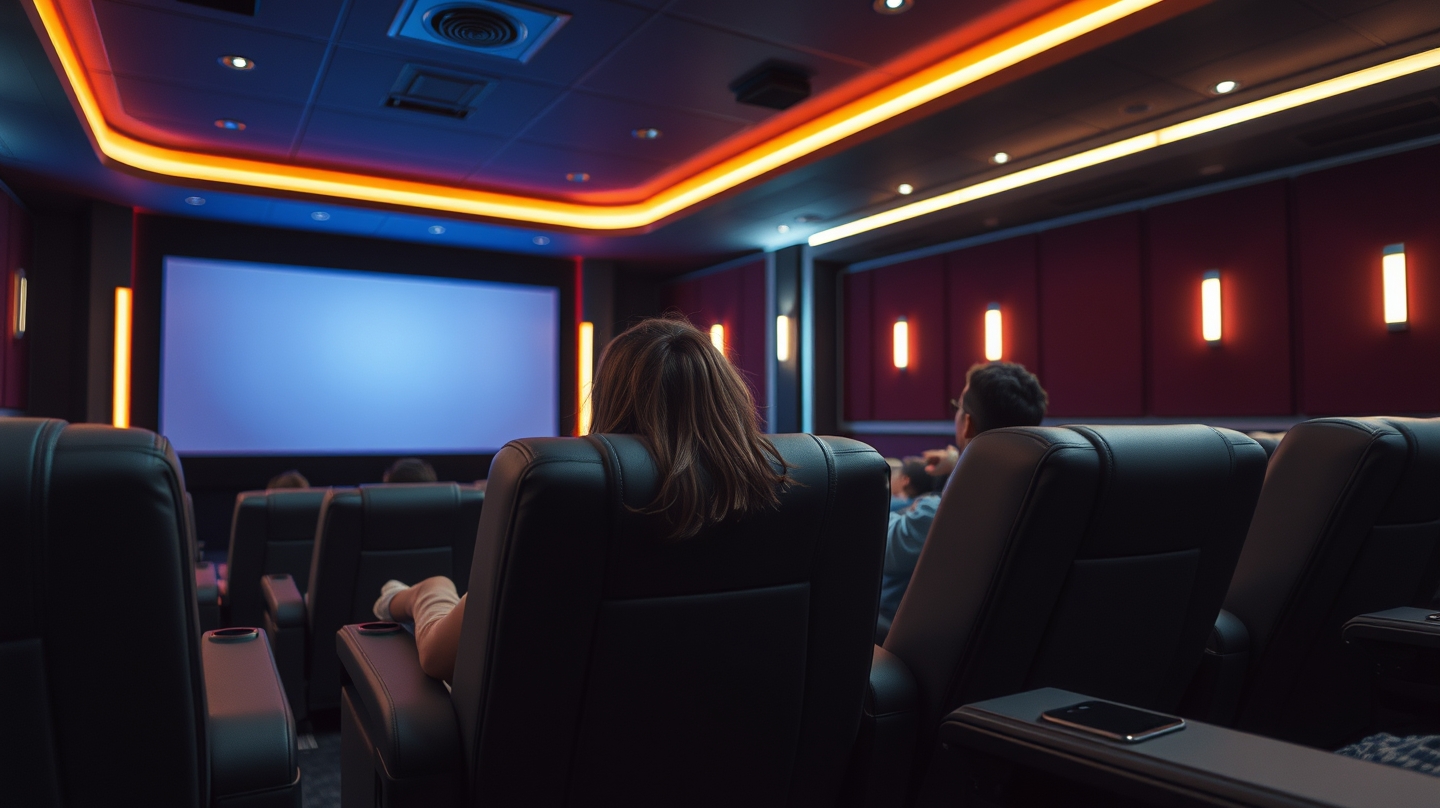
Since 2020, AMC has poured more than $1 billion into its venues, adding laser projectors, immersive sound, and spacious recliners. But the upgrades are only half the story. The company has also introduced AI‑driven scheduling tools that match showtimes to local demand, dynamic pricing engines that adjust ticket costs in real time, and robotic concession kiosks that speed service while reducing labor costs. These workflow transformations, Aron argues, are the engine behind the company’s strongest quarter ever—its highest revenue and Adjusted EBITDA in a 106‑year history.
The financial rebound is mirrored by a slate of high‑profile releases that have drawn audiences back to the big screen. Universal’s “Super Mario,” Lionsgate’s “Michael,” Disney’s 20th Century revival of “The Devil Wears Prada,” and A24’s surprise hit “Backrooms” each illustrate how diverse content can thrive when paired with premium exhibition. Even Amazon’s newly‑acquired MGM is leveraging the theater model with “Project Hail Mary,” while Christopher Nolan’s “The Odyssey” races toward a $1 billion global box office.
Beyond blockbuster allure, the industry is navigating a broader transition from traditional media to digital platforms. Hybrid release windows—simultaneous streaming and theatrical debuts—have become a negotiating point between studios and exhibitors. AMC’s automation suite enables seamless integration of digital ticketing, contactless entry, and real‑time analytics, allowing theaters to compete with the convenience of home streaming while preserving the communal experience that movies uniquely provide.
Aron’s call for a Paramount‑Warner Bros. merger is rooted in this dual need for content depth and technological capacity. A combined studio would command a catalog that spans decades, giving AMC and its peers a steady pipeline of titles to fill screens and justify premium pricing. Moreover, the merged entity could fund further automation, such as AI‑curated preview reels and predictive maintenance for projection equipment, reducing downtime and operational expense.
The implications extend to workers and local economies. Automation promises efficiency but also reshapes labor roles, prompting theaters to retrain staff for tech‑focused positions—digital concierge, data analysis, and equipment oversight. For moviegoers, the payoff is shorter wait times, personalized recommendations, and a consistently high‑quality viewing environment.
Analysts note that the merger, if approved, would create one of the world’s largest content powerhouses, potentially reshaping licensing negotiations and distribution strategies. Smaller exhibitors could benefit from more predictable access to blockbuster titles, while independent filmmakers may find new avenues for theatrical exposure through curated streaming‑theater hybrids.
In sum, the theater comeback is not merely a nostalgic revival; it is a technologically driven transformation that aligns premium content with data‑rich, automated operations. As AMC’s latest earnings demonstrate, the model works—provided the industry continues to invest in both the stories on the screen and the systems that deliver them.