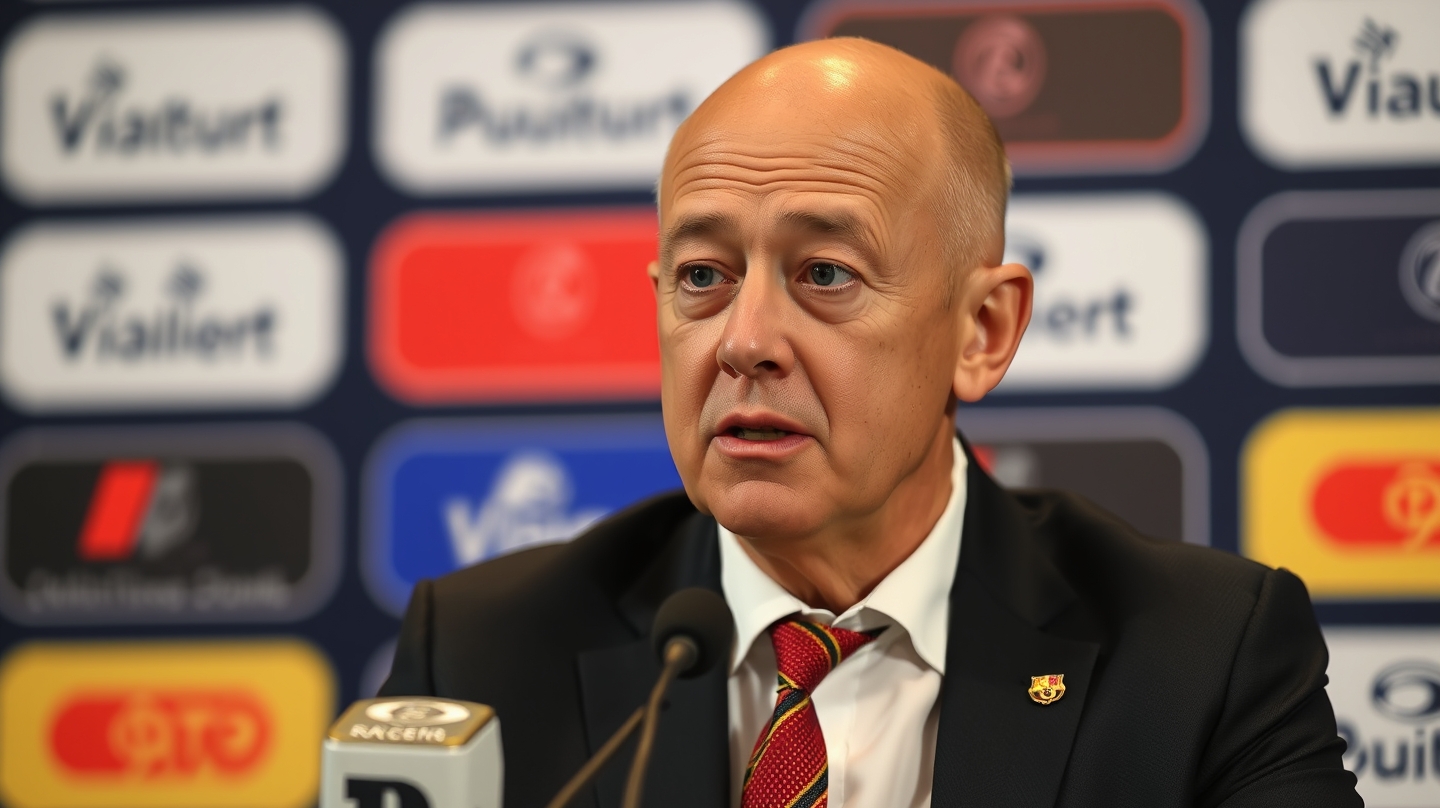
When Gianni Infantino walked into FIFA’s Africa office in Rabat on Wednesday, the atmosphere was charged with both criticism and expectation, a stark contrast to the calm tone of his later apology. Senior executives gathered to address a proposal that promised $40 million to each national association in exchange for private‑sector investment in the sport’s flagship tournaments.
In a statement released hours after the meeting, Infantino and FIFA secretary‑general Mattias Grafström said they "sincerely apologise" for the errors surrounding the FIFA Forward Enterprise (FFE) plan. The board, however, issued a separate communiqué reaffirming its full support for Infantino as president, effectively allowing him to remain in charge while the controversy subsides.
The FFE proposal, first leaked to the media by the Times on 28 July, envisioned a new subsidiary that would channel private capital into World Cup and Women’s World Cup operations. Proponents argued that such funding could accelerate technology‑driven automation—streamlining ticketing, data analytics, and broadcast workflows—while critics warned of opaque governance and the risk of commercialising the sport’s core values.
European governing body UEFA publicly dismissed the plan as a "shabby, back‑room, opaque deal," and figures such as Canadian Prime Minister Mark Carney and former footballer Luis Figo expressed a loss of confidence in Infantino’s leadership. Yet the internal memo circulated by Grafström, describing the episode as "a sad and reproachable series of events," was followed by a board vote that underscored institutional loyalty over external pressure.
Why this matters goes beyond a single executive’s reputation. The $40 million incentive model, if revived, could reshape how global tournaments are financed, shifting part of the revenue stream from traditional broadcasting rights to technology‑focused investors. Such a shift would likely accelerate the adoption of automated media infrastructure—real‑time data feeds, AI‑generated highlights, and cloud‑based production pipelines—that are already reshaping sports coverage.
For national associations, the promise of a lump‑sum payment could mean greater financial stability, but it also raises questions about autonomy. Accepting private capital may obligate federations to adopt standardized digital platforms, potentially limiting local innovation. Broadcasters, meanwhile, could see a reduction in exclusive rights fees as automation lowers production costs, altering the economics of football media contracts.
The episode also provides a structural insight into FIFA’s decision‑making process. The rapid issuance of a supportive board statement after an internal apology suggests a governance model where senior executives can quickly consolidate power, even amid external criticism. This dynamic mirrors a broader trend in sport where governing bodies balance commercial ambition with the need for transparent oversight.
In the wider context, FIFA’s flirtation with private investment reflects an industry‑wide push toward technology adoption. Football’s governing bodies are increasingly looking to automation to manage massive data volumes, improve fan engagement, and streamline operations. The controversy highlights the tension between embracing innovative financing models and preserving the integrity of decision‑making structures.
Real‑world implications are already visible. The leaked proposal prompted several associations to request clarification on future media rights negotiations, while broadcasters are reportedly reassessing their long‑term contracts in anticipation of more automated production workflows. Should a revised version of the FFE plan emerge, it could set a precedent for other sports federations considering similar tech‑centric funding mechanisms.
Infantino, now 56, appears poised to seek a fourth term, with the next election deadline set for 18 November. Whether the board’s endorsement will translate into lasting reforms—or simply a temporary reprieve—remains to be seen. What is clear is that the intersection of governance, private capital, and technology will continue to shape football’s global landscape.