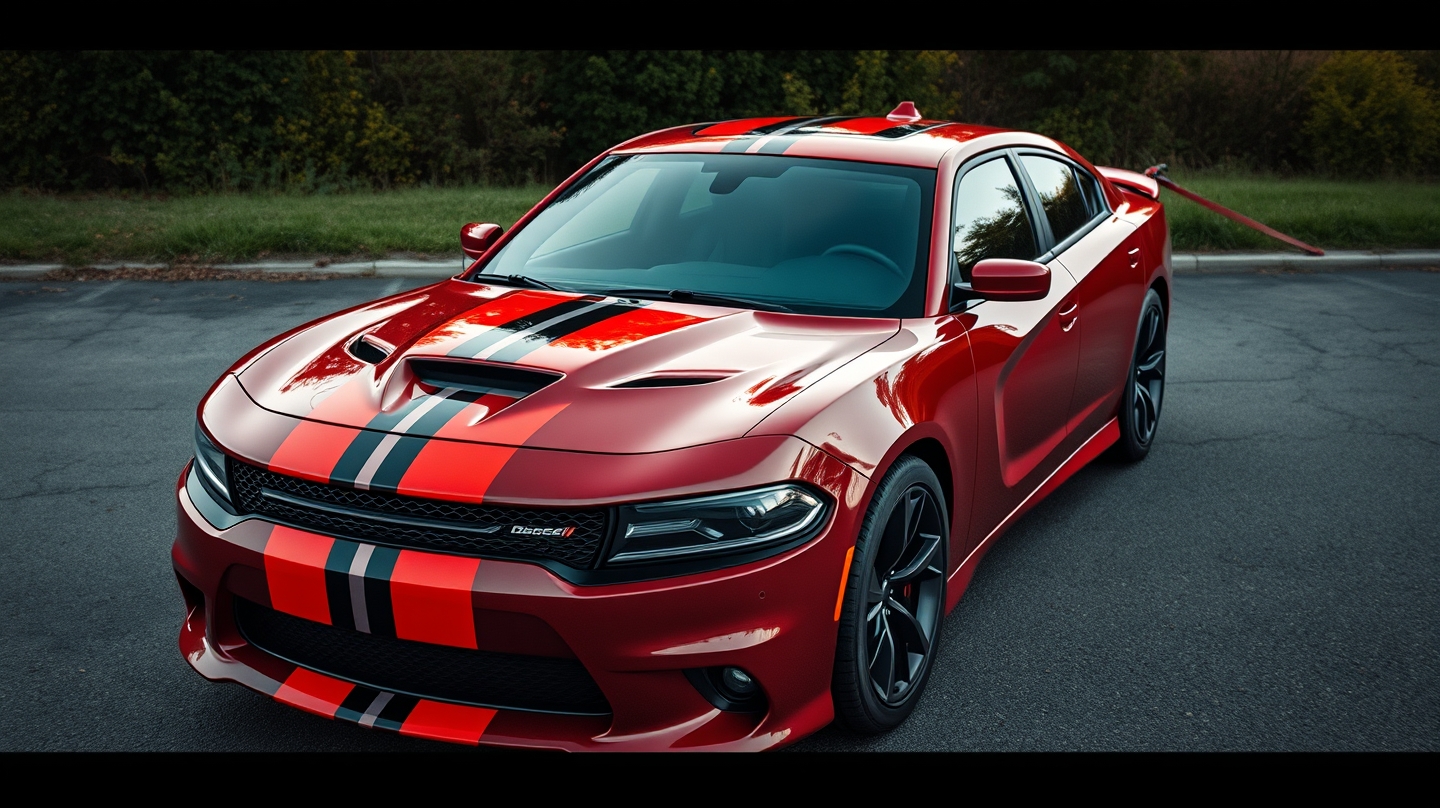
When Dodge unveiled the all‑electric Charger in 2024, the automotive world expected a seamless transition from V‑8 thunder to silent torque. Sales proved otherwise – a plunge from nearly 76,000 units in 2023 to just under 10,000 the following year. In 2026 the brand answered with a stark reversal: the Sixpack R/T, a turbocharged inline‑six that resurrects the nameplate’s gasoline heritage.
The Sixpack’s return is more than a branding exercise. It highlights a growing tension between rapid technology adoption and the practical realities of platform engineering. Dodge’s 2026 Charger shares a single chassis between the EV and the new ICE models, a strategy meant to cut costs and accelerate development. In practice, the shared platform added over eight inches of length, five inches of width, and a full 540‑pound weight penalty compared with the 2015 V‑8 R/T. The result is a car that feels larger than a traditional sedan but slower than its predecessor in real‑world acceleration.
Performance figures illustrate the compromise. The Sixpack’s 420 hp and 468 lb‑ft of torque beat the outgoing 5.7‑liter V‑8’s 370 hp, yet the added mass pushes the 0‑60 mph sprint to 5.7 seconds, marginally slower than the older model’s 5.6 seconds. Launch‑control‑aided 60‑mph runs improve to 4.7 seconds, but the car’s mid‑range pull – 30‑50 mph and 50‑70 mph – lags by a quarter‑second each. In short, the Sixpack delivers more power on paper but struggles to translate that into a noticeably quicker drive.
Beyond the numbers, the Sixpack’s design choices speak to consumer psychology. Dodge re‑introduced the iconic two‑door silhouette as a four‑door variant, preserving the muscle‑car silhouette while expanding practicality. The R/T’s optional Fratzog‑styled racing stripes, 20‑inch wide wheels, and a glass roof echo the brand’s heritage, resonating with enthusiasts who value visual cues as much as raw output. A casual observer at a Michigan test track noted the car’s “rental‑spec” avoidance, suggesting the Sixpack still commands respect among the target demographic.
From an industry perspective, the Charger’s pivot underscores how automakers are recalibrating automation and workflow strategies. The dual‑purpose platform required extensive software integration, sensor calibration, and supply‑chain coordination for both electric and internal‑combustion components. The resulting weight and size penalties reveal the limits of current automation tools when tasked with serving divergent powertrains on a single architecture. Manufacturers may now favor dedicated platforms for EVs, a trend already evident at rivals like Tesla and Hyundai, to avoid the compromises seen in the Sixpack.
Environmental implications are also notable. While the Sixpack re‑introduces gasoline emissions, its turbocharged six‑cylinder is more efficient than the legacy V‑8, delivering a 15 % improvement in fuel economy according to EPA estimates. For buyers, the trade‑off is clear: a modern muscle‑car experience with lower emissions than previous generations, but still a step back from zero‑tailpipe ambition.
Dealerships and aftermarket services will feel the ripple effect. Service bays must accommodate both high‑voltage EV components and traditional ICE hardware, stretching technician training programs. Media outlets covering the launch will need to balance excitement over the Sixpack’s performance with sober analysis of the broader strategic retreat from electrification.
Ultimately, the 2026 Dodge Charger Sixpack R/T serves as a case study in how technology‑driven automation can both enable rapid product cycles and expose engineering blind spots. Its mixed reception may encourage other manufacturers to adopt more modular, technology‑agnostic development pipelines, reducing the risk of platform‑level missteps as the industry races toward full electrification.