History and Design of the Prudência Building
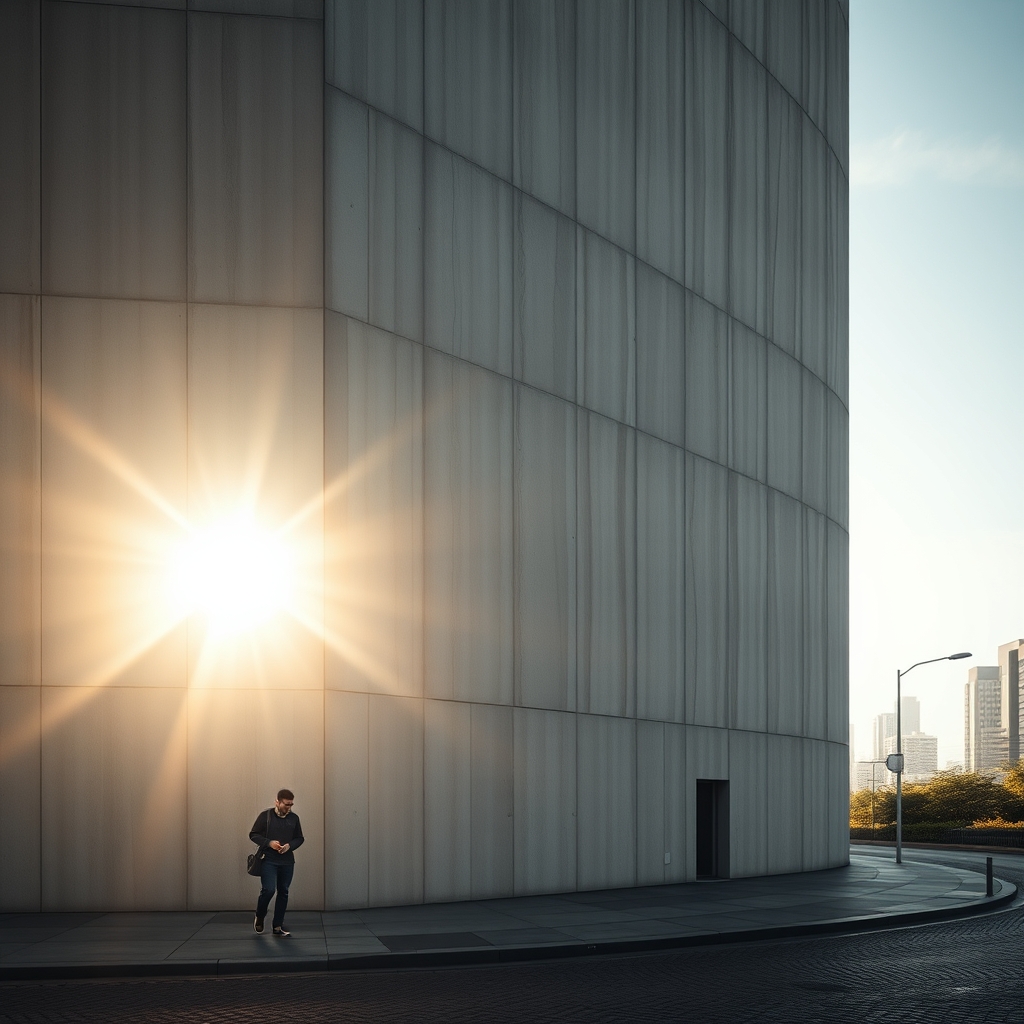
The Prudência building rises ten stories above Higienópolis, its concrete slab completed in 1948 after a four‑year construction that began in 1944. As one of the neighborhood's earliest modern vertical residences, it embodies post‑war modernism, a shift toward dense urban living, and a new aesthetic of stripped geometry. The lobby's cool marble floor echoes the soft click of the aging elevator, and a resident pauses at the doors, hand hovering, unsure whether to ride up or climb the stairwell.
Beyond its physical presence, the structure creates a tension between efficiency—maximizing housing units on a limited footprint—and safety, as the original fire escapes reveal the era's compromise between rapid construction and resident protection. This balance reflects a broader Brazilian movement in the late 1940s that embraced functionalism while negotiating the social needs of a growing middle class.
Why It Matters
The building matters because it introduced vertical modernism to São Paulo's middle‑class housing, setting a precedent for the city's later high‑rise developments.
Today, the Prudência stands as a quiet testimony to a moment when architecture, economics, and daily life intersected, reminding us that the shape of a city is as much about the decisions of its inhabitants as the ambitions of its designers.
In the soft afternoon light, the slab's plain façade catches the eye of a passerby, linking past aspirations to present streets.
It is a reminder that modern living began with concrete slabs and careful compromises.
Kadoo Click brings you daily AI-powered insights into beauty, fashion, cosplay, tech deals, and trending topics. Discover authentic products with real discounts.
Stay updated with the latest in 2026 trends – powered by Kadoo Store AI.