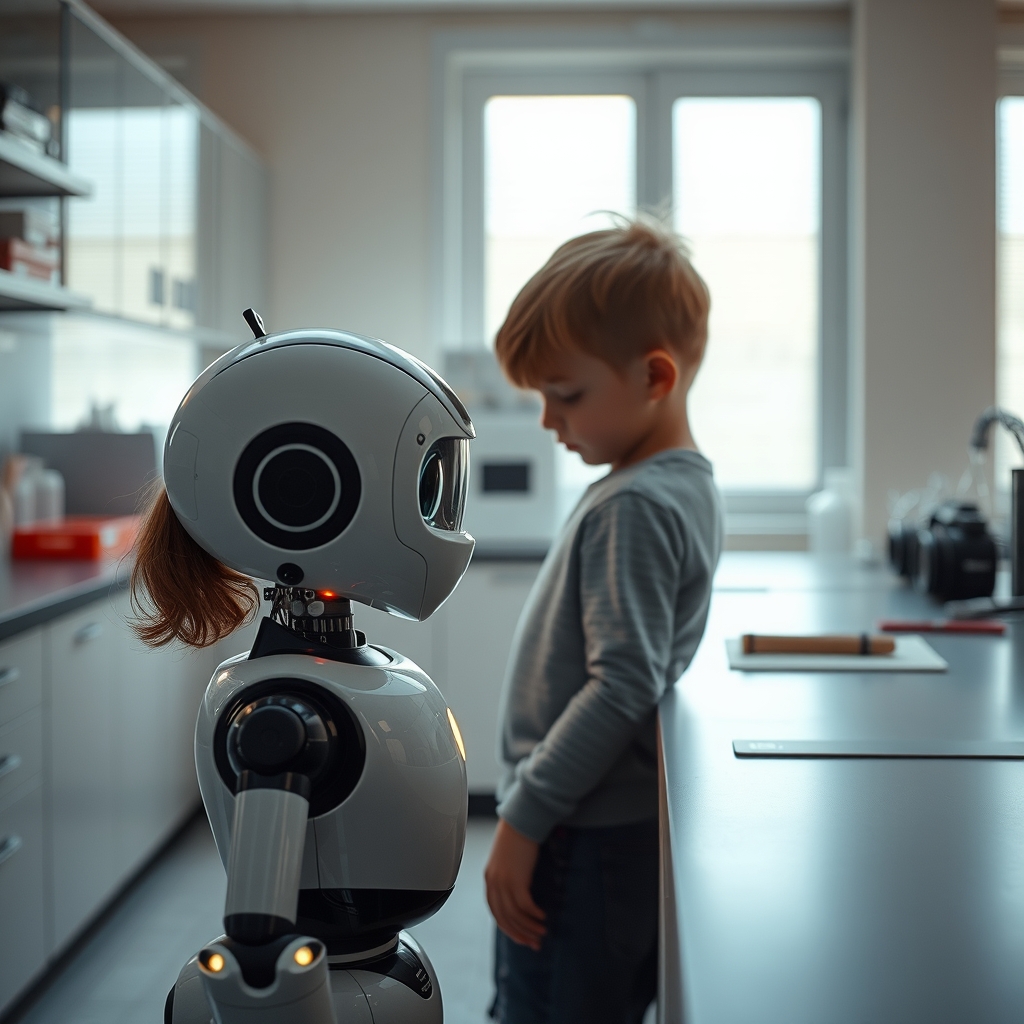
What is socially assistive robotics?
Maja Matarić, a professor at the University of Southern California, pioneered the field of socially assistive robotics, designing machines that interact with people to provide therapeutic support. In 2005 she co‑authored the first paper that defined the discipline, arguing that robots could help users learn and recover by speaking, playing, and responding to emotions rather than by performing physical work. The concept blends autonomous robots, human‑robot interaction, and cognitive behavioral therapy into a single research agenda.
Defining a new discipline
Matarić's early work on the behavior‑based robot Toto demonstrated that distributed algorithms could map an environment and navigate without central control. That technical foundation later enabled her Interaction Lab to build socially aware platforms such as Bandit, Kiwi, and Blossom. Each system combines low‑latency sensors, expressive actuators, and adaptive software to create a conversational partner that can adjust its tone in real time.
Robots as therapeutic partners
In a study with children on the autism spectrum, Bandit's movable eyebrows and soft‑spoken prompts coaxed a shy participant to initiate play—a behavior measured by a 23 % increase in eye‑contact duration compared with baseline. The same hardware, re‑programmed for elderly users, delivered seated aerobic cues that raised daily activity levels by an average of twelve minutes. These outcomes illustrate how socially assistive robots extend the reach of mental‑health interventions without replacing human clinicians.
Tension between autonomy and safety
The core structural tension lies in granting robots enough autonomy to respond fluidly while ensuring they never overstep ethical boundaries. Matarić's designs embed fail‑safe layers that mute speech or pause motion when physiological monitors detect distress, balancing efficiency with the safety of vulnerable users.
Cultural resonance and future impact
Matarić's career reflects a broader shift toward human‑centric technology, where engineers are expected to consider societal outcomes as rigorously as performance metrics. Her receipt of the 2025 MassRobotics Medal, announced in a modest ceremony where she paused, swallowed, and then smiled at familiar colleagues, underscores the growing legitimacy of socially assistive robotics within both academia and industry. Understanding socially assistive robotics matters because it expands the tools available for mental health and disability support.
Kadoo Click brings you daily AI-powered insights into beauty, fashion, cosplay, tech deals, and trending topics. Discover authentic products with real discounts.
Stay updated with the latest in 2026 trends – powered by Kadoo Store AI.