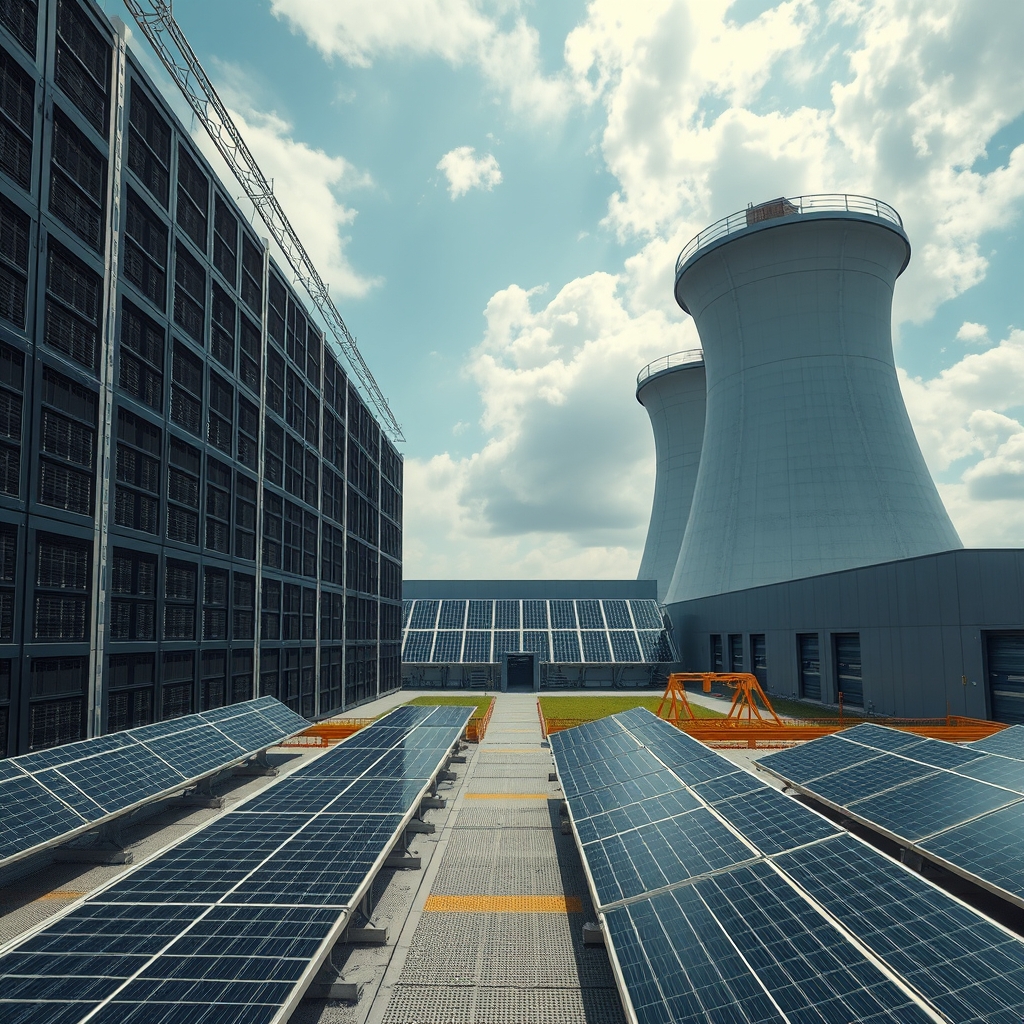
On Monday Governor Gavin Newsom signed seven bills that dramatically reshape how data‑center operators in California account for the electricity, water, and infrastructure they consume. The legislation, a direct response to mounting pressure from local officials and consumer advocates, obliges these high‑energy facilities to pay for grid upgrades, disclose water usage, and surrender blanket environmental exemptions.
California is home to 296 data centers, the third‑largest concentration in the United States. Their rapid expansion has amplified demand on an already expensive power system and strained water supplies in drought‑prone regions. State Senator Jerry McNerney warned that unchecked growth could “send rates through the roof,” while Assemblymember Diane Papan emphasized that “every drop counts.” By mandating transparent reporting and cost‑sharing, the new statutes aim to keep utilities affordable and water resources manageable for ordinary Californians.
The bills target several fronts. SB 1168 directs the California Public Utilities Commission to examine data‑center energy use and ensure operators cover transmission, distribution, and load‑increase expenses. SB 886 and SB 887 expand that principle to infrastructure upgrades, wildfire‑mitigation liabilities, and a full environmental review, giving municipalities a decisive voice in permitting. AB 1577 requires monthly energy‑consumption reports to the California Energy Commission and local agencies, while AB 2383 incentivizes on‑site clean‑energy generation. Finally, AB 2469 and AB 2619 tighten water‑use oversight through mandatory supply assessments and statewide reporting tied to business‑license renewal.
These measures arrive just weeks after Los Angeles County’s planning director imposed a temporary ban on large‑scale AI data‑center development in unincorporated areas. The county’s move highlighted a growing tension between tech‑driven automation infrastructure and community‑level resource constraints. By giving cities and counties a statutory foothold, the legislation creates a structural insight: the future of media‑infrastructure automation will be negotiated not only in boardrooms but also in local zoning hearings.
For the tech industry, the implications are twofold. First, operators must now factor grid‑upgrade fees and water‑scarcity charges into project economics, potentially slowing the pace of new builds or prompting a shift toward smaller, more efficient facilities. Second, the clean‑energy incentives could accelerate adoption of on‑site solar, waste‑heat recovery, and advanced cooling technologies—trends already reshaping data‑center design worldwide.
Consumers stand to benefit directly. By internalizing the external costs of data‑center operations, the bills aim to protect California’s notoriously high utility bills from further inflation. Moreover, the water‑reporting requirements provide a clearer picture of how digital infrastructure competes with agriculture and residential users for a dwindling resource.
On a broader scale, California’s approach may serve as a template for other states grappling with the environmental footprint of the digital economy. As AI workloads and edge‑computing expand, policymakers will likely look to the Golden State’s blend of cost recovery, transparency, and clean‑energy encouragement as a balanced pathway.
In the short term, data‑center developers will need to adjust financial models, engage with local planning commissions, and invest in monitoring systems that satisfy the new reporting cadence. In the long term, the legislation could catalyze a more sustainable, community‑aligned data‑center ecosystem—one where automation and infrastructure growth are measured against the real‑world limits of power grids and water basins.