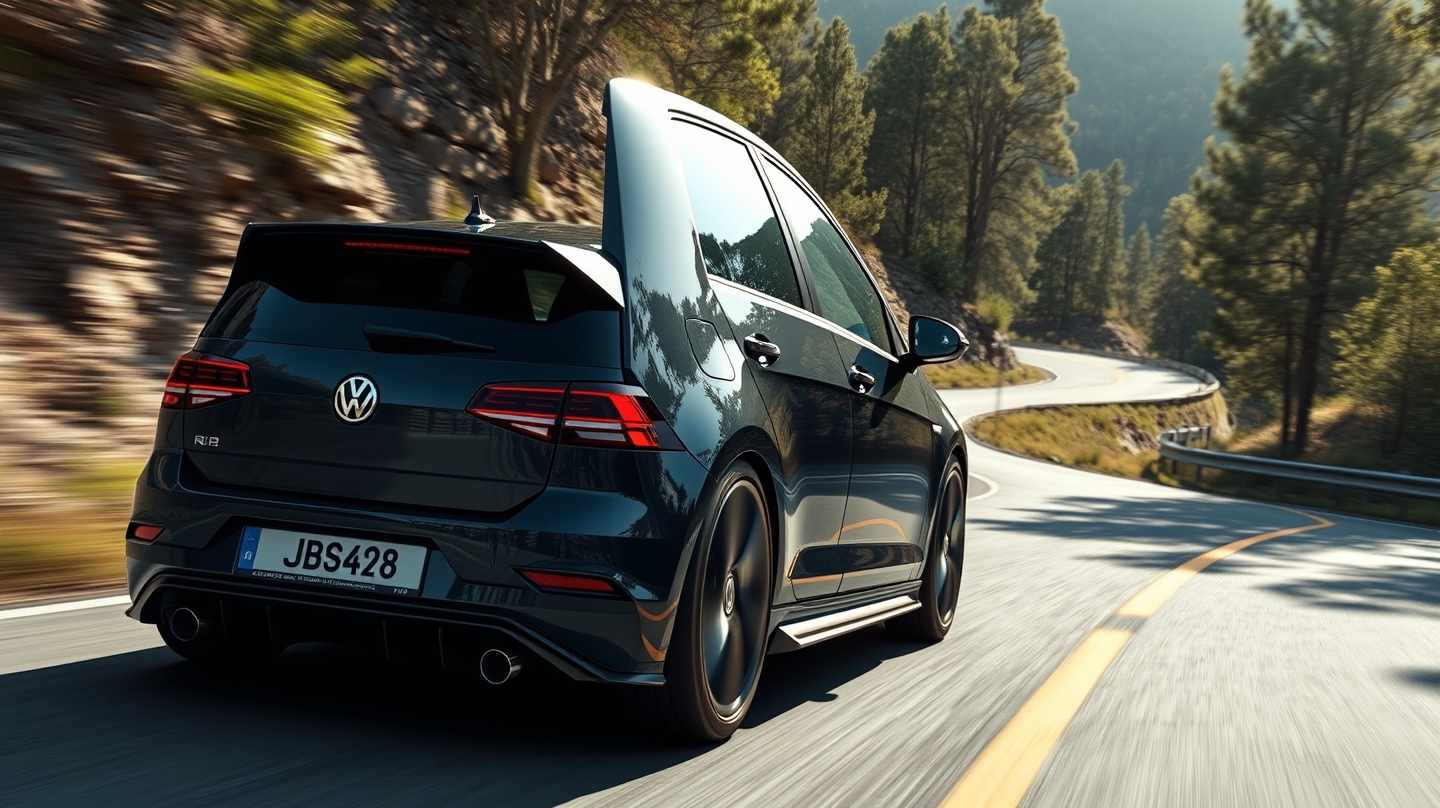
When a brand‑new 2026 Volkswagen Golf R hit a stray gravel truck and the replacement windshield was on back‑order, the story revealed more than a cracked glass—it highlighted how high‑tech vehicle systems meet the gritty reality of supply chains.
During the first 10,000 miles of Car and Driver’s long‑term evaluation, the hatchback accumulated dents, a bent forged wheel and a $760 OEM windshield replacement plus a $201 calibration fee for the driver‑assistance camera. The repair cost, while modest for a premium hot hatch, underscores a growing issue: modern cars rely on calibrated sensors that cannot be paired with generic aftermarket parts. When OEM components are scarce, owners face longer downtime and higher expenses, a pattern that could influence purchasing decisions across the performance segment.
Beyond the glass, the Golf R’s thin‑walled Bridgestone Potenza S005 tires on 19‑inch forged wheels proved vulnerable on Michigan’s pothole‑riddled roads. A single bent wheel required a $105 fix, and the stiff ride—mitigated by adaptive dampers—reminded testers that aggressive performance setups demand careful road‑condition matching. The dual‑clutch transmission, praised for rapid shifts, was criticized for low‑speed lurches, a reminder that even sophisticated automation can feel unrefined without driver‑focused tuning.
Track day at Gingerman Raceway added another layer of insight. With tires run five psi below normal and the car in Race mode, drivers encountered early ABS pulsations and collision‑warning alerts, only to discover that the Sport stability‑control setting must be activated separately. Switching to Nürburgring (Special) mode softened the suspension but introduced understeer, illustrating how software‑driven driving modes can produce divergent handling characteristics depending on track context.
These findings matter because they map directly onto broader industry trends. Automotive manufacturers are accelerating technology‑driven automation—camera‑based ADAS, adaptive suspensions, and mode‑specific software—yet the supporting ecosystem—repair shops, parts logistics, and aftermarket suppliers—lags behind. The Golf R’s experience shows that without synchronized automation across the vehicle lifecycle, owners bear hidden costs and inconvenience.
For media outlets, the test also signals a shift in how vehicle coverage is produced. Automated data feeds from cars (e.g., real‑time fuel economy, sensor diagnostics) enable faster story generation, but editors must still verify the human impact of technical glitches. Car and Driver’s detailed narrative, blending raw cost data with driver impressions, exemplifies the balance between automation‑enabled reporting and editorial rigor.
Looking ahead, the automotive supply chain may need to adopt more flexible manufacturing processes, such as on‑demand glass casting or modular sensor packages, to keep pace with rapid software updates. Meanwhile, owners of performance hatchbacks should budget for calibration fees and consider tire choices that tolerate rough surfaces without compromising track performance.
In the next 30,000 miles, the Golf R will likely continue to be a first‑choice vehicle for the test fleet, a testament to its versatile hatch design. Yet its early maintenance story serves as a microcosm of the tension between cutting‑edge vehicle automation and the practicalities of everyday ownership—a tension that will shape both the auto industry and the way journalists report on it.