When the opening credits of Alysa Nahmias’s documentary Cookie Queens roll over grainy footage of Girl Scouts from the 1920s, the contrast is stark: a nostalgic past meets a present where twelve‑year‑old sellers treat cookie sales like a startup launch.
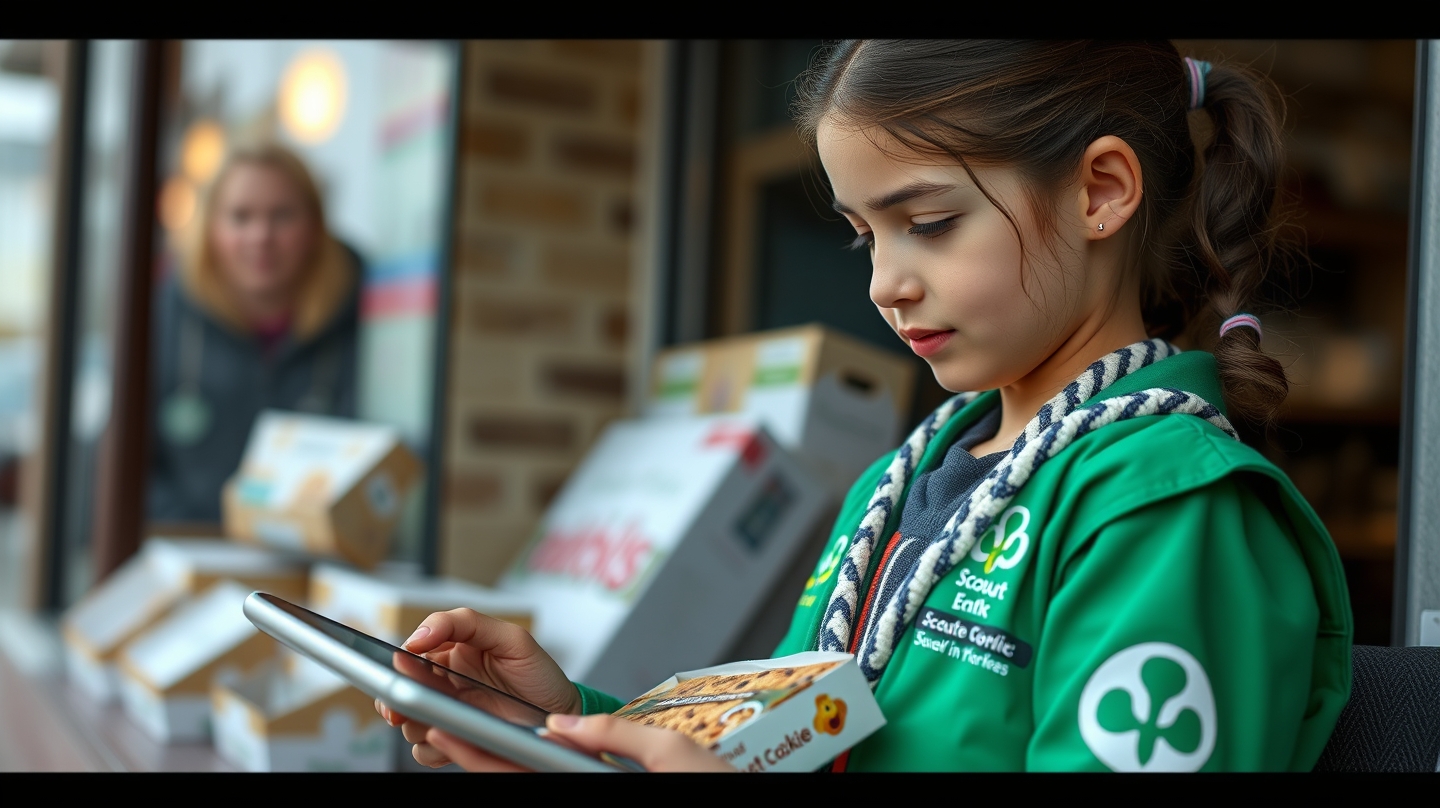
The film follows four girls—Olive, Ara, Shannon Elizabeth, and Nikki—as they chase ambitious box‑selling targets during the six‑week season that generates more than $800 million annually for the Girl Scouts of the USA. Rather than tracing the history of the iconic Samoas or the wartime origins of the program, the documentary zeroes in on the girls’ day‑to‑day tactics: mobile payment apps, real‑time sales dashboards, and influencer‑style social media posts that turn a neighborhood table into a miniature e‑commerce hub.
This focus matters because it captures a broader shift in how youth organizations are adopting technology‑driven automation. The Girl Scouts now provide sellers with a proprietary app that logs each transaction, calculates commissions, and even suggests optimal routes for door‑to‑door canvassing. Those tools echo the workflow transformation seen in larger industries, where data‑rich platforms replace manual ledgers. In the context of a documentary, the emphasis on digital tools highlights how a century‑old fundraising model is being re‑engineered for a smartphone generation.
Beyond the numbers, the film raises questions about the cultural cost of turning a community‑building activity into a performance metric. The girls are coached to hit precise sales quotas, their progress displayed on leaderboards that feel more at home on a reality‑show than in a troop meeting. This framing reflects a media transition: traditional documentary storytelling gives way to a reality‑TV structure that thrives on competition, instant feedback, and audience engagement through streaming platforms.
Structurally, Cookie Queens mirrors the very automation it documents. Each segment is cut to the rhythm of the girls’ sales updates, creating a narrative that feels like a live‑stream dashboard. The editing choices—quick cuts, on‑screen graphics, and a pop‑infused score—reinforce the idea that the cookie season is now a data‑driven sprint rather than a leisurely fundraiser.
Real‑world implications are already visible. The Girl Scouts reported a 12 % increase in average sales per troop after rolling out the new app, and several local councils have begun offering workshops on digital marketing for their members. The same technology that lets a nine‑year‑old accept credit‑card payments also generates granular data that the national organization can analyze for trend spotting, inventory planning, and even targeted outreach to potential donors.
That data focus is not unique to Girl Scouts. The NFL, for example, has leveraged real‑time analytics to optimize ticket sales and fan engagement, a parallel that underscores how even community‑based groups are adopting playbooks once reserved for professional sports and large corporations. The documentary’s executive producers—Meghan Markle and Prince Harry—bring a Hollywood‑level awareness of brand amplification, further blurring the line between grassroots fundraising and commercial entertainment.
Ultimately, Cookie Queens serves as a case study in how traditional institutions navigate the migration from legacy media to digital platforms. The film itself premiered on a streaming service, its promotion driven by social‑media teasers, and its audience is measured in clicks rather than box‑office tickets. The story of four girls selling cookies becomes a lens through which we can observe the convergence of youth entrepreneurship, automation, and the ever‑expanding reach of digital media.