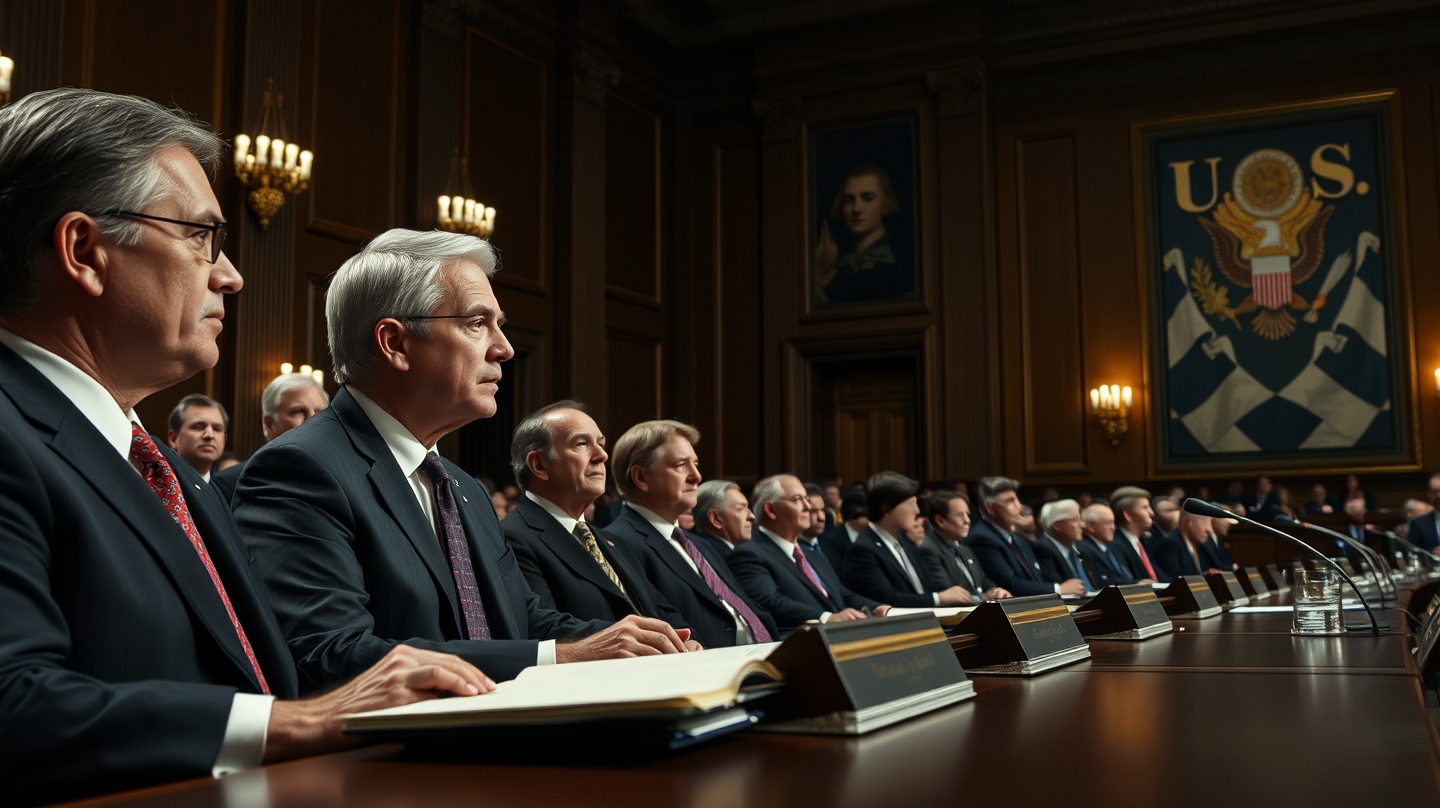
When a Senate vote can decide the fate of an entire industry, the tension is palpable. This week, Republican Senator Dave McCormick urged his colleagues to bring the so‑called Clarity Act to a floor vote, warning that “the time for delay is over.” Yet Democrats appear reluctant, turning a bill that promises uniform crypto rules into a political flashpoint.
The Clarity Act, first introduced last year, seeks to codify federal oversight of digital assets, from stablecoins to decentralized finance platforms. Its core provisions would require clear licensing for crypto firms, impose consumer‑protection standards, and, in a controversial new draft, bar public officials and their immediate families from promoting or issuing crypto products. Proponents argue the measure would end the regulatory limbo that has kept banks, asset managers, and even sports leagues guessing about compliance.
Institutional players have already taken note. Fidelity Investments and Goldman Sachs, two of the most influential custodians of capital, publicly praised the revised bill, saying it offers “the clarity needed for responsible innovation.” Their endorsement reflects a broader shift: major financial institutions are allocating billions to crypto‑related services, but they demand a predictable rulebook before deepening exposure.
Market reaction to the legislative tug‑of‑war has been mixed. In the days following McCormick’s Fox Business interview, the price of Bitcoin slipped 2.3%, while stablecoin issuers such as USDC saw a modest uptick in inflows, as investors hedged against regulatory uncertainty. Analysts at Bloomberg Intelligence note that “the mere prospect of a definitive framework can reduce the risk premium embedded in crypto valuations, even before a vote is taken.”
Beyond Wall Street, the bill’s implications ripple through popular culture. The National Football League, which recently inked a multi‑year partnership with a leading crypto exchange, has been vocal about the need for consistent rules. An NFL spokesperson told Reuters that “clear federal guidance would protect fans, sponsors, and the league’s brand integrity.” If the Clarity Act stalls, the NFL and other sports entities may reconsider or renegotiate such deals, potentially curbing the influx of crypto sponsorship dollars that have become a staple of modern sports marketing.
Opposition remains fierce. Senator Elizabeth Warren, a long‑time critic of lax crypto oversight, warned that the bill could open doors for former President Donald Trump to profit from digital assets, citing his family’s reported involvement in meme‑coin ventures and the World Liberty Financial protocol. While the White House has denied any wrongdoing, the accusation underscores a deeper concern: whether the legislation sufficiently blocks conflicts of interest and criminal exploitation.
Structurally, the Clarity Act illustrates how policy can act as a market catalyst. When legislators introduce clear compliance pathways, institutional investors tend to accelerate capital deployment, driving liquidity and price stability. Conversely, prolonged gridlock injects volatility, prompting both retail and professional traders to seek safer havens. This dynamic mirrors past regulatory milestones in fintech, where decisive action—such as the 2018 Dodd‑Frank amendments for fintech firms—spurred a wave of innovation and investment.
For consumers, the stakes are equally personal. A unified regulatory regime could standardize disclosures, protect against fraudulent schemes, and potentially lower transaction costs through streamlined oversight. Yet the political stalemate threatens to keep the status quo, where state‑level rules vary wildly and enforcement remains uneven.
As the Senate calendar fills, the next few days will reveal whether bipartisan momentum can overcome partisan caution. If the Clarity Act passes, the crypto market may finally emerge from its regulatory fog, offering a more predictable environment for banks, investors, and even the NFL. If not, the industry could face another year of fragmented rules, market jitters, and missed opportunities for mainstream adoption.